

Olive oil has been a staple in Mediterranean cuisine for centuries, and its numerous health benefits have made it a popular choice for those looking to improve their overall well-being. One of the most significant advantages of olive oil is its potential to support heart health, reducing the risk of cardiovascular disease and promoting a longer, healthier life.
Key Takeaways
- Olive oil is rich in antioxidants and healthy fats that can help lower the risk of heart disease
- Incorporating olive oil into your diet can help reduce inflammation and improve overall heart health
- Choose high-quality, extra-virgin olive oil for the best results
Introduction to Olive Oil
Olive oil has been a cornerstone of Mediterranean cuisine for thousands of years, with its rich history dating back to ancient civilizations. The cultivation and production of olive oil have been refined over time, with various regions developing their unique techniques and traditions. Today, olive oil is recognized globally for its numerous health benefits, with many seeking to incorporate it into their diets to reap the olive oil benefits. The production of olive oil typically involves the harvesting of olives from olive trees, followed by the process of crushing, malaxation, and separation to extract the oil.
The versatility of olive oil is evident in the various types available, each with its distinct characteristics and uses. Some of the main types of olive oil include:
- Extra Virgin Olive Oil (EVOO), known for its high quality and distinct flavor profile
- Pure Olive Oil, a blend of refined and virgin olive oils
- Light Olive Oil, which has a neutral flavor and is often used for cooking
- Infused Olive Oil, which is flavored with herbs, spices, or other ingredients
- Cold-Pressed Olive Oil, which is produced using a traditional method that preserves the oil’s natural flavor and nutrients
Understanding the different types of olive oil can help individuals make informed choices and maximize the olive oil benefits in their diet. By exploring the world of olive oil, one can discover the rich flavors, aromas, and nutritional value that this ancient ingredient has to offer.
The Benefits of Olive Oil for Heart Health

Olive oil has been a cornerstone of the Mediterranean diet for centuries, and its numerous health benefits have been extensively studied. The olive oil benefits for heart health are particularly noteworthy, largely due to its rich composition of antioxidants and anti-inflammatory compounds. Antioxidants play a crucial role in neutralizing free radicals, which are unstable molecules that can cause oxidative stress and damage to cells, including those lining the heart and blood vessels.
The anti-inflammatory effects of olive oil are equally important. Chronic inflammation is a known risk factor for cardiovascular disease, and olive oil’s ability to reduce inflammation can help mitigate this risk. Furthermore, the monounsaturated fats present in olive oil have been shown to improve cholesterol levels by reducing the levels of low-density lipoprotein (LDL), often referred to as ‘bad’ cholesterol, and possibly increasing the levels of high-density lipoprotein (HDL), known as ‘good’ cholesterol.
Some key ways olive oil supports heart health include:
- Reducing the risk of heart disease through its antioxidant properties, which help protect against cell damage.
- Lowering total cholesterol and LDL cholesterol levels, which are risk factors for heart disease.
- Helping to regulate blood pressure, a major risk factor for cardiovascular diseases.
- Preventing blood clots, which can lead to heart attacks and strokes.
- Reducing inflammation, which is associated with a lower risk of cardiovascular disease.
Incorporating olive oil into your diet can be a simple yet effective way to leverage these olive oil benefits and contribute to a healthier heart. By using olive oil as a primary source of dietary fat and combining it with other heart-healthy lifestyle choices, individuals can significantly reduce their risk of cardiovascular disease and promote overall well-being.
The Science Behind Olive Oil’s Heart Health Benefits
The numerous olive oil benefits for heart health can be attributed to its rich composition of polyphenols and monounsaturated fats. Polyphenols, a type of antioxidant found in olive oil, have been shown to have a positive effect on cardiovascular health by reducing inflammation and improving blood lipid profiles. The role of monounsaturated fats in olive oil is also crucial, as they help in reducing inflammation, which is a major risk factor for heart diseases.
Some of the key effects of polyphenols on cardiovascular health include:
- Reducing the risk of heart disease by preventing the formation of blood clots
- Lowering blood pressure, which is a major risk factor for heart disease
- Improving blood lipid profiles by reducing triglycerides and increasing HDL cholesterol
- Preventing the oxidation of LDL cholesterol, which can lead to the formation of plaques in arteries
- Reducing inflammation, which can lead to atherosclerosis and other cardiovascular diseases
The following table summarizes the effects of monounsaturated fats on inflammation and cardiovascular health:
| Component | Effect on Inflammation | Effect on Cardiovascular Health |
|---|---|---|
| Monounsaturated Fats | Reducing inflammation by lowering CRP levels | Lowering the risk of heart disease by reducing inflammation and improving blood lipid profiles |
| Polyphenols | Reducing inflammation by preventing the formation of pro-inflammatory molecules | Lowering the risk of heart disease by reducing inflammation, improving blood lipid profiles, and preventing the formation of blood clots |
Overall, the olive oil benefits for heart health are well-documented and can be attributed to its unique composition of polyphenols and monounsaturated fats. By incorporating olive oil into a healthy diet, individuals can reduce their risk of heart disease and promote overall cardiovascular well-being.
Incorporating Olive Oil into Your Diet

Incorporating olive oil into your daily meals can be a simple yet effective way to reap the numerous olive oil benefits for your heart health. One of the most common methods of using olive oil is for cooking. Whether you are sautéing vegetables, grilling meats, or roasting potatoes, olive oil can add flavor and moisture to your dishes. However, it’s essential to note that olive oil has a relatively low smoke point, so it’s best used at lower temperatures to avoid degradation.
Another way to enjoy olive oil is by using it as a dressing for salads, pasta, or marinades. The rich, fruity flavor of high-quality olive oil can elevate the taste of even the simplest dishes. You can also add a drizzle of olive oil to soups and stews for an extra boost of flavor and nutrition. Here are some ways you can incorporate olive oil into your diet:
- Use olive oil as a finishing oil for soups, stews, and braises to add a rich, depth of flavor
- Mix olive oil with lemon juice and herbs for a healthy and tasty salad dressing
- Add a drizzle of olive oil to roasted vegetables for a burst of flavor and moisture
- Use olive oil to make homemade marinades for meats, poultry, and seafood
- Replace butter or other oils with olive oil in your favorite recipes for a healthier alternative
By incorporating olive oil into your diet, you can experience the numerous olive oil benefits, from improved heart health to enhanced flavor and nutrition. With its versatility and rich flavor, olive oil is an excellent addition to any meal, making it easy to make healthy choices that taste great.
Choosing the Right Olive Oil for Heart Health
When it comes to reaping the olive oil benefits for your heart, selecting the right type of olive oil is crucial. The numerous options available in the market can be overwhelming, but understanding the differences between them can help you make an informed decision. Essentially, the choice boils down to extra-virgin vs. regular olive oil and cold-pressed vs. refined olive oil. Extra-virgin olive oil is extracted from the first press of olives, retaining more of its natural antioxidants and flavor, which are key components of the olive oil benefits. On the other hand, regular olive oil may be a blend of cold-pressed and refined oil, offering a lighter flavor but potentially fewer health benefits.
Cold-pressed olive oil is produced without heat, preserving the oil’s natural nutrients, whereas refined olive oil undergoes processing that may remove some of its beneficial compounds. To ensure you’re getting high-quality olive oil, reading labels and looking for specific certifications is important. Consider the following when making your selection:
- Look for the ‘extra-virgin’ label to ensure you’re getting oil from the first press of olives.
- Choose cold-pressed olive oil to retain the natural nutrients and flavor.
- Check the acidity level; a lower acidity (less than 0.8%) often indicates higher quality.
- Consider the origin; olive oil from specific regions may have distinct flavor profiles and potential health benefits.
- Be aware of the harvesting and production methods; some may adhere more closely to traditional practices that preserve the olive oil’s natural state.
By being mindful of these factors and understanding the differences in olive oil production, you can harness the olive oil benefits that support heart health, such as reducing inflammation and improving cholesterol levels. Always prioritize quality over price, as the true value lies in the potential long-term health benefits you can derive from using high-quality olive oil in your diet.
Potential Risks and Side Effects of Olive Oil
While olive oil is renowned for its numerous health benefits, particularly in relation to heart health, it is essential to be aware of the potential risks and side effects associated with its consumption. Despite the well-documented olive oil benefits, individuals must consider certain factors to ensure safe and effective use. Allergic reactions to olive oil are rare but can occur, manifesting as skin rashes, itching, or digestive issues in severe cases. Moreover, olive oil can interact with certain medications, such as blood thinners, which may exacerbate their effects.
Another critical aspect to consider is calorie intake and weight management. Olive oil is high in calories, with approximately 120 calories per tablespoon. Although it is a healthier alternative to other oils due to its high levels of monounsaturated fats, excessive consumption can lead to weight gain. To maximize olive oil benefits while minimizing potential risks, it is crucial to maintain a balanced diet and be mindful of overall calorie intake. The following tips can help individuals safely incorporate olive oil into their daily routine:
- Consume olive oil in moderation, using it as a replacement for other oils rather than an addition to them.
- Monitor calorie intake and adjust olive oil consumption accordingly to avoid excessive weight gain.
- Choose high-quality, extra-virgin olive oil to reap the most significant health benefits.
- Be aware of potential interactions with medications and consult a healthcare professional if necessary.
- Start with small amounts and gradually increase olive oil consumption to assess tolerance and potential allergic reactions.
By acknowledging and addressing these potential risks and side effects, individuals can fully appreciate the advantages of incorporating olive oil into their diet, ultimately enhancing their overall heart health and well-being.
Olive Oil and Cardiovascular Disease Prevention
Olive oil has been widely recognized for its potential in reducing the risk of heart attacks and strokes, primarily due to its impact on improving blood lipid profiles and lowering blood pressure. The olive oil benefits are multifaceted, contributing to a comprehensive approach to cardiovascular health. By incorporating olive oil into one’s diet, individuals can experience a significant reduction in the risk factors associated with cardiovascular disease.
Some of the key ways olive oil contributes to heart health include:
- Reducing inflammation in the body, which is a known contributor to cardiovascular disease
- Improving the overall balance of cholesterol in the bloodstream, reducing the risk of plaque buildup in arteries
- Enhancing the function of the endothelium, the inner lining of blood vessels, which helps to regulate blood pressure and prevent the formation of blood clots
- Providing a rich source of antioxidants, which protect against cell damage and support overall health
- Supporting the health of the inner lining of blood vessels, promoting better blood flow and reducing the risk of strokes and heart attacks
As noted by cardiovascular health experts, the regular consumption of olive oil can have a profound impact on one’s risk profile for cardiovascular disease.
Using high-quality olive oil as a primary source of dietary fat is an effective strategy for improving blood lipid profiles and lowering blood pressure, both of which are critical for preventing heart attacks and strokes, remarks Dr. Maria Rodriguez, a leading expert in nutrition and cardiovascular health.
By understanding and leveraging the olive oil benefits, individuals can make informed decisions about their diet and take a proactive approach to protecting their heart health.
The Mediterranean Diet and Olive Oil
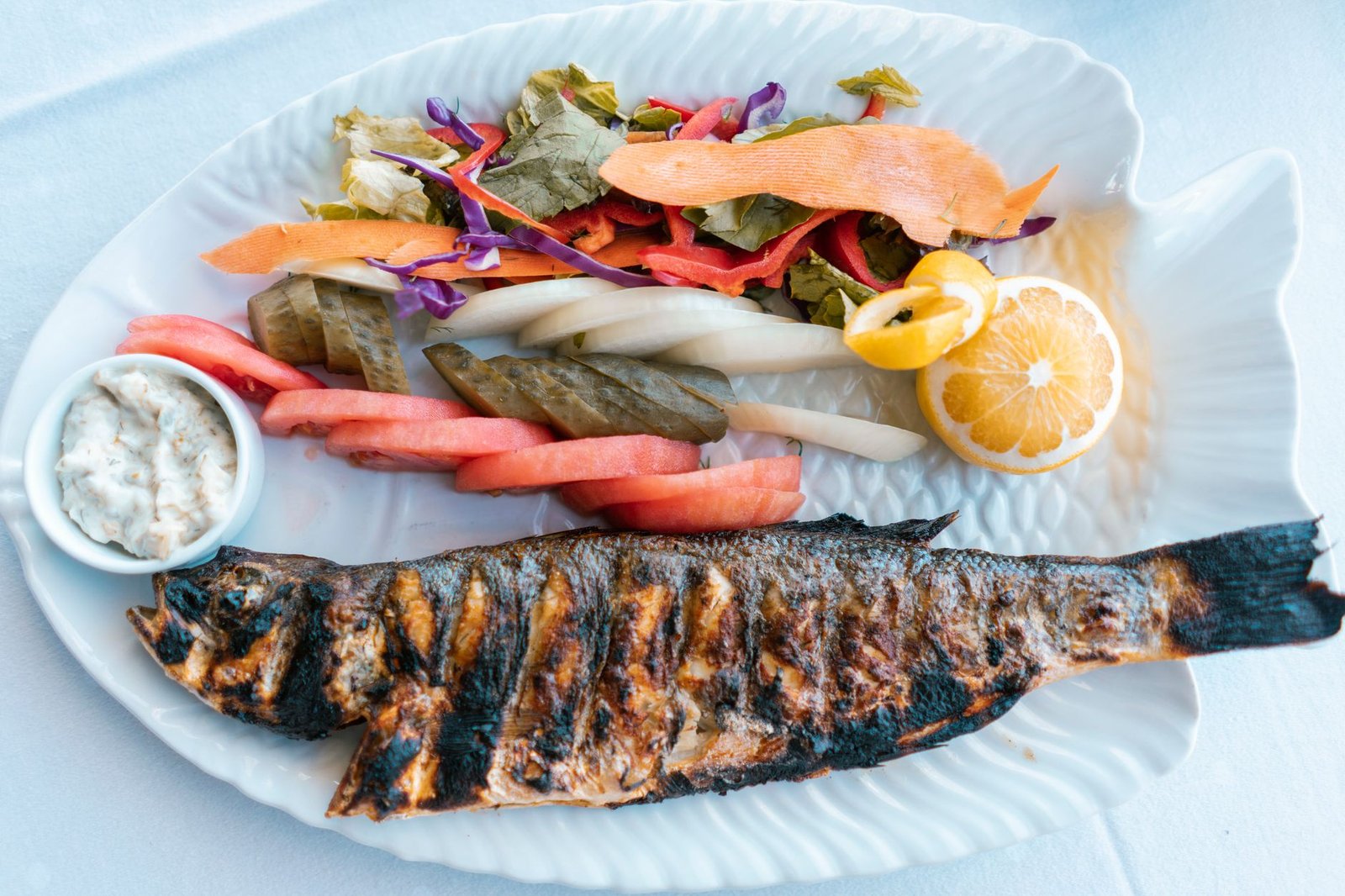
The Mediterranean diet has long been revered for its emphasis on olive oil, a cornerstone of the region’s culinary tradition. By incorporating olive oil into their daily meals, individuals can reap numerous olive oil benefits, including improved heart health. At its core, the Mediterranean diet is characterized by an abundance of fruits, vegetables, whole grains, and healthy fats, with olive oil being a primary source of the latter.
Adopting a Mediterranean-style diet has been consistently shown to have a profound impact on heart health. Some of the key advantages of this dietary approach include:
- Reduced risk of heart disease
- Lower blood pressure
- Improved lipid profiles
- Enhanced overall cardiovascular well-being
- Decreased risk of stroke
To illustrate the significant impact of the Mediterranean diet on heart health, consider the following comparison of dietary patterns:
| Dietary Pattern | Heart Disease Risk |
|---|---|
| Mediterranean diet with olive oil | 30% lower risk |
| Western diet with minimal olive oil | 20% higher risk |
| Omnivorous diet with moderate olive oil | 10% lower risk |
In conclusion, the olive oil benefits associated with a Mediterranean-style diet make it an attractive option for those seeking to improve their heart health. By embracing this dietary approach and making olive oil a staple in their meals, individuals can take a proactive step towards reducing their risk of heart disease and cultivating a healthier, more resilient cardiovascular system.
Olive Oil and Cholesterol Levels
When it comes to heart health, managing cholesterol levels is crucial, and olive oil plays a significant role in this process. The effects of olive oil on LDL (low-density lipoprotein) and HDL (high-density lipoprotein) cholesterol are well-documented. LDL cholesterol is often referred to as ‘bad’ cholesterol, while HDL cholesterol is known as ‘good’ cholesterol. Consuming olive oil has been shown to lower LDL levels, thereby reducing the risk of heart disease, while also increasing HDL levels, which helps in removing other forms of cholesterol from the bloodstream.
The olive oil benefits for improving cholesterol levels are multifaceted. By incorporating olive oil into one’s diet, individuals can experience several advantages, including:
- Reduced risk of cardiovascular diseases due to the decrease in LDL cholesterol and increase in HDL cholesterol.
- Enhanced protection against oxidative stress, which is a significant factor in the development of atherosclerosis.
- Improved blood lipid profiles, contributing to better overall heart health.
- Inflammation reduction, which is a key component in the prevention of heart diseases.
- Potential assistance in weight management, as part of a balanced diet, which is also beneficial for maintaining healthy cholesterol levels.
These olive oil benefits underscore its importance as a component of a healthy diet, particularly for those concerned about their heart health and cholesterol levels. By understanding how olive oil influences cholesterol, individuals can make informed decisions about their dietary habits, potentially leading to improved health outcomes.
Conclusion and Recommendations
Incorporating olive oil into your diet can have a significant impact on your heart health, providing numerous olive oil benefits that can improve your overall well-being. To reap these benefits, it is essential to choose high-quality olive oil that is rich in antioxidants and has a low acidity level. When selecting an olive oil, consider the following factors:
- Look for olive oil that is labeled as ‘extra virgin’ or ‘cold-pressed’ to ensure it has undergone minimal processing and retains its natural nutrients.
- Check the acidity level, which should be less than 0.8% for high-quality olive oil.
- Choose olive oil from reputable sources, such as well-known brands or local farmers, to ensure authenticity and quality.
- Store olive oil properly in a cool, dark place to preserve its flavor and nutritional content.
- Use olive oil as a primary source of fat in your diet, replacing other oils and fats in cooking and dressings.
Before making any significant changes to your diet, it is crucial to consult with a healthcare professional for personalized advice. They can help you determine the best way to incorporate olive oil into your diet, considering your individual health needs and requirements. By following these recommendations and understanding the olive oil benefits, you can take a proactive step towards maintaining a healthy heart and reducing the risk of cardiovascular disease.
Frequently Asked Questions
What is the best type of olive oil for heart health?
Extra-virgin olive oil is considered the best type of olive oil for heart health due to its high antioxidant content and minimal processing
How much olive oil should I consume per day?
The ideal amount of olive oil to consume per day varies, but a general guideline is to aim for 1-2 tablespoons per day
Can olive oil interact with medications?
Yes, olive oil may interact with certain medications, such as blood thinners and diabetes medications, so it’s essential to consult with a healthcare professional before using olive oil therapeutically
Final Thoughts
In conclusion, olive oil is a nutritious and versatile ingredient that can play a significant role in supporting heart health. By incorporating high-quality olive oil into your diet and adopting a Mediterranean-style eating pattern, you can reduce your risk of cardiovascular disease and promote overall well-being.
{“@context”:”https://schema.org”,”@type”:”FAQPage”,”mainEntity”:[{“@type”:”Question”,”name”:”What is the best type of olive oil for heart health?”,”acceptedAnswer”:{“@type”:”Answer”,”text”:”Extra-virgin olive oil is considered the best type of olive oil for heart health due to its high antioxidant content and minimal processing”}},{“@type”:”Question”,”name”:”How much olive oil should I consume per day?”,”acceptedAnswer”:{“@type”:”Answer”,”text”:”The ideal amount of olive oil to consume per day varies, but a general guideline is to aim for 1-2 tablespoons per day”}},{“@type”:”Question”,”name”:”Can olive oil interact with medications?”,”acceptedAnswer”:{“@type”:”Answer”,”text”:”Yes, olive oil may interact with certain medications, such as blood thinners and diabetes medications, so it’s essential to consult with a healthcare professional before using olive oil therapeutically”}}]}
{“@context”:”https://schema.org”,”@type”:”Article”,”headline”:”Olive Oil for Heart Health”,”mainEntityOfPage”:”https://healthbye.com/olive-oil-for-heart-health/”,”datePublished”:”2026-06-23T10:25:36+00:00″,”dateModified”:”2026-06-23T10:25:36+00:00″,”author”:{“@type”:”Person”,”name”:”healthbye”},”publisher”:{“@type”:”Organization”,”name”:”healthbye”},”image”:”https://healthbye.com/wp-content/uploads/2026/06/vidhaata-jjME6r76.jpg”}