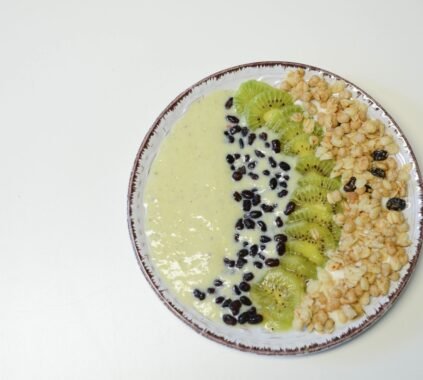


The Mediterranean Diet has been widely regarded as one of the healthiest diets in the world, with its emphasis on whole, unprocessed foods and healthy lifestyle habits. Originating from the Mediterranean region, this diet has been shown to have numerous health benefits, including reducing the risk of heart disease, type 2 diabetes, and certain types of cancer. In this guide, we will explore the basics of the Mediterranean Diet and provide you with practical tips on how to incorporate it into your daily life.
Key Takeaways
- Emphasizes whole, unprocessed foods such as fruits, vegetables, whole grains, and lean protein sources
- Includes healthy fats like olive oil and avocado
- Encourages regular physical activity and stress reduction techniques
- May help reduce the risk of chronic diseases like heart disease and type 2 diabetes
What is the Mediterranean Diet?

The Mediterranean Diet is an eating plan that emphasizes whole, unprocessed foods, high consumption of fruits and vegetables, and healthy fats like olive oil. This dietary approach has been widely recognized for its numerous health benefits, including reducing the risk of heart disease, type 2 diabetes, and certain types of cancer. At the core of the Mediterranean Diet is a focus on consuming a variety of nutrient-dense foods, including whole grains, lean proteins, and a rainbow of fruits and vegetables.
Some of the key components of the Mediterranean Diet include:
- Fresh fruits, such as berries, citrus fruits, and stone fruits, which provide essential vitamins, minerals, and antioxidants
- Leafy green vegetables, such as spinach, kale, and collard greens, which are rich in vitamins A, C, and K, as well as minerals like calcium and iron
- Whole grains, such as brown rice, quinoa, and whole-wheat bread, which provide sustained energy and fiber
- Legumes, such as lentils, chickpeas, and fava beans, which are high in protein, fiber, and various essential minerals
- Healthy fats, like olive oil, avocado, and nuts, which support heart health and provide sustained energy
By incorporating these foods into your diet, you can begin to experience the many benefits of the Mediterranean Diet, from improved overall health to increased energy and vitality. Whether you’re looking to lose weight, improve your heart health, or simply feel your best, the Mediterranean Diet provides a balanced and sustainable approach to eating that can be tailored to suit your individual needs and preferences.
History and Origins of the Mediterranean Diet
The Mediterranean Diet has its roots in the traditional dietary patterns of the countries bordering the Mediterranean Sea. Originating from this region, it has been shaped by the culinary practices of Greece and Italy, among others. The distinct flavor profiles and ingredients characteristic of these cuisines have contributed significantly to the development of the diet. Over the years, the Mediterranean Diet has garnered attention for its potential health benefits, with research into its effects on human health dating back to the 1960s.
Key aspects of the diet’s history and origins include:
- Geographical influences: The diet reflects the agricultural products, seafood, and livestock available in the Mediterranean region, highlighting the importance of local and seasonal foods.
- Culinary traditions: Greek and Italian cuisine, with their emphasis on olive oil, whole grains, fruits, and vegetables, have played a central role in defining the dietary principles.
- Evolving research: Studies conducted since the 1960s have explored the diet’s impact on cardiovascular health, obesity, and other conditions, providing insights into its potential benefits.
- Cultural significance: The Mediterranean Diet is not just a dietary regimen but also a reflection of the social and cultural context in which meals are prepared and shared, underlining the importance of communal eating and enjoyment of food.
- Nutritional balance: The diet’s balance of nutrients, including healthy fats, complex carbohydrates, and moderate protein intake, is thought to contribute to its health-promoting effects.
By understanding the history and origins of the Mediterranean Diet, individuals can appreciate the richness and depth of this dietary approach, which offers a holistic path to healthier eating and living.
Key Components of the Mediterranean Diet
The Mediterranean Diet is renowned for its emphasis on whole, nutrient-dense foods, which provide the body with the necessary fuel to function optimally. At the core of this dietary approach are several key components that, when combined, create a balanced and sustainable eating pattern. Whole grains, such as brown rice, quinoa, and whole-wheat bread, serve as the foundation, providing sustained energy and fiber.
Another crucial aspect of the Mediterranean Diet is the generous intake of fruits and vegetables, which are rich in vitamins, minerals, and antioxidants. These foods help protect against chronic diseases and support overall health. When it comes to protein, the focus is on lean sources, including poultry, fish, and legumes, which are not only lower in saturated fats but also higher in essential nutrients.
Healthy fats, found in foods like olives, avocado, and nuts, play a vital role in the diet, supporting heart health and satisfying hunger. Some of the key foods in the Mediterranean Diet include:
- Leafy greens like spinach and kale
- Cruciferous vegetables such as broccoli and cauliflower
- Fatty fish like salmon and sardines, rich in omega-3 fatty acids
- Nuts and seeds, which are excellent sources of healthy fats and protein
- Herbs and spices, used to add flavor instead of salt and sugar
By incorporating these foods into your daily meals, you can reap the benefits of the Mediterranean Diet, enjoying improved health and well-being while savoring delicious, flavorful foods.
Foods to Eat on the Mediterranean Diet

The Mediterranean Diet emphasizes whole, unprocessed foods that provide essential nutrients for overall health and wellbeing. When it comes to planning your meals, there are several key food groups to focus on. Leafy greens, such as spinach and kale, are rich in vitamins and antioxidants, making them an excellent addition to salads, smoothies, and sautéed dishes. Berries, including strawberries, blueberries, and raspberries, are high in fiber and antioxidants, and can be enjoyed as a snack or added to oatmeal or yogurt.
Fatty fish, like salmon and sardines, are also a crucial component of this diet, providing omega-3 fatty acids that support heart health. Olive oil, which is rich in healthy fats, is the primary source of fat in the Mediterranean diet and can be used for cooking, dressing salads, or making marinades. Other essential foods to include are:
- Whole grains, such as brown rice, quinoa, and whole-wheat bread
- Legumes, including lentils, chickpeas, and black beans
- Nuts and seeds, like almonds, walnuts, and chia seeds
- Herbs and spices, which add flavor without added salt or sugar
- Dairy products, such as Greek yogurt and feta cheese, in moderation
By incorporating these foods into your daily meals, you can experience the numerous benefits of the Mediterranean Diet, from improved heart health to increased energy levels. Remember to stay hydrated by drinking plenty of water and limiting your intake of processed and sugary foods. With a little creativity and planning, you can create delicious, balanced meals that will keep you nourished and satisfied.
Foods to Avoid on the Mediterranean Diet
When adopting a healthier eating pattern, such as the Mediterranean Diet, it is crucial to be mindful of the foods that can hinder your progress. While it may be tempting to indulge in convenient or sweet treats, these items can significantly derail your efforts to achieve a balanced lifestyle. Some of the key foods to avoid include processed meats, sugary drinks, and refined carbohydrates, all of which are notorious for their negative impact on overall health.
Avoiding these harmful foods is relatively straightforward once you understand what to look out for. Consider the following examples of foods to limit or avoid altogether:
- Processed meats like hot dogs, sausages, and bacon, which are high in sodium and preservatives
- Sugary drinks such as soda, sports drinks, and sweetened teas and coffees, which are essentially empty calories
- Refined carbohydrates found in white bread, sugary snacks, and sweet baked goods, which cause a spike in blood sugar levels
- Fried foods, which are rich in unhealthy fats and calories
- High-fat dairy products, which can be detrimental to heart health when consumed excessively
By being aware of these potentially harmful foods and making a conscious effort to limit their presence in your diet, you can set yourself up for success and cultivate healthier eating habits that will benefit you in the long run. Focus on incorporating more nutritious options, such as fruits, vegetables, whole grains, lean proteins, and healthy fats, to create a well-rounded and sustainable eating pattern.
Health Benefits of the Mediterranean Diet
Embracing a Mediterranean-style eating pattern can have a transformative impact on overall health and wellbeing. By focusing on whole, unprocessed foods and healthy fats, individuals can significantly reduce their risk of heart disease, a leading cause of death globally. The Mediterranean Diet, with its emphasis on fruits, vegetables, whole grains, and lean protein sources, provides a balanced and sustainable approach to nutrition.
Adopting this eating style may also help with weight loss, as it promotes a sense of fullness and satisfaction, reducing the need for snacking and overeating. Moreover, the Mediterranean Diet has been shown to improve blood sugar control, which is particularly beneficial for individuals with diabetes or those at risk of developing the condition.
Some of the key health benefits associated with the Mediterranean eating pattern include:
- Lower levels of low-density lipoprotein (LDL) cholesterol, also known as ‘bad’ cholesterol
- Improved insulin sensitivity, reducing the risk of developing type 2 diabetes
- Increased levels of high-density lipoprotein (HDL) cholesterol, or ‘good’ cholesterol
- Reduced blood pressure, a major risk factor for heart disease and stroke
- Lower risk of certain types of cancer, such as colorectal and breast cancer
By incorporating the principles of the Mediterranean Diet into daily life, individuals can take a proactive approach to protecting their health and reducing the risk of chronic diseases. With its flexible and adaptable nature, this eating style can be tailored to suit individual needs and preferences, making it an attractive option for those seeking a sustainable and enjoyable path to wellness.
Getting Started with the Mediterranean Diet

Embarking on a new dietary journey can be daunting, but the key to success lies in gradual progression. To begin, start by making small changes to your diet, such as replacing unhealthy snacks with fruits or nuts. This initial step will pave the way for more significant adjustments down the line. Incorporating physical activity into your daily routine is also crucial, as it complements the nutritional aspects of the diet. Aim for at least 30 minutes of moderate exercise per day, which can be as simple as taking a brisk walk or engaging in light household chores.
Another vital aspect of adopting a healthy lifestyle is finding healthy ways to manage stress. Chronic stress can lead to overeating and poor food choices, which can hinder your progress. Some effective stress-management techniques include meditation, deep breathing exercises, and yoga. By combining these practices with a balanced diet and regular physical activity, you will be better equipped to handle stress and stay on track. Consider the following small changes to get started:
- Incorporate a daily serving of vegetables into your meals
- Replace sugary drinks with water or unsweetened tea
- Aim for 7-8 hours of sleep each night to help regulate hunger hormones
- Take a 10-minute walk after each meal to aid digestion and boost energy
- Prepare healthy meals in advance to save time and reduce food waste
By implementing these strategies and maintaining a consistent approach, you will find it easier to adhere to the principles of the Mediterranean Diet and cultivate a healthier, more balanced lifestyle. Remember, every small step counts, and the cumulative effect of these changes will lead to significant improvements in your overall well-being over time.
Meal Planning and Grocery Shopping on the Mediterranean Diet
To fully embrace the Mediterranean way of eating, it’s essential to develop a mindful approach to meal planning and grocery shopping. This involves planning your meals around whole, unprocessed foods, which are rich in nutrients and fiber. By focusing on these foods, you’ll be able to create delicious and satisfying meals that align with the principles of the Mediterranean Diet.
When you’re at the grocery store, a simple yet effective strategy is to shop the perimeter of the store. This is where you’ll find the fresh produce, meats, dairy products, and other whole foods that should form the foundation of your diet. Avoid the central aisles, which are often filled with processed and packaged foods that are high in salt, sugar, and unhealthy fats.
Cooking at home is also a vital part of this approach. By using healthy oils like olive oil and spices to add flavor to your meals, you’ll be able to create a wide range of tasty dishes without relying on salt, sugar, or other unhealthy ingredients. Here are some examples of healthy and delicious meals you can make at home:
- Grilled chicken or fish with roasted vegetables and a side of quinoa or brown rice
- Stir-fries made with a variety of colorful vegetables, whole grains, and lean proteins
- Salads featuring mixed greens, cherry tomatoes, cucumbers, and a homemade vinaigrette dressing
- Homemade pizza with a whole-wheat crust, topped with fresh vegetables, lean meats, and a sprinkle of feta cheese
<li:Lentil soup with a swirl of olive oil and a sprinkle of fresh herbs
By following these simple tips and guidelines, you’ll be well on your way to creating a healthy and balanced meal plan that reflects the principles of the Mediterranean Diet. Remember to stay flexible and be open to trying new ingredients and recipes – and don’t be afraid to get creative and make the Mediterranean way of eating your own!
Common Challenges and Troubleshooting on the Mediterranean Diet
Embarking on a new dietary journey can be daunting, and staying motivated is crucial for long-term success. One of the primary challenges individuals face when adopting the Mediterranean Diet is maintaining their enthusiasm and commitment over time. To overcome this, setting realistic goals and tracking progress can be incredibly effective. For instance, planning and preparing meals in advance can help reduce the likelihood of straying from the diet due to convenience or time constraints.
Dealing with cravings is another common hurdle. It’s essential to understand that cravings are a normal part of any dietary adjustment. The key is to find healthy alternatives that satisfy these cravings without compromising the diet’s principles. For example, if you have a craving for something sweet, opting for fresh fruits or a handful of nuts can provide a satisfying snack without derailing your diet.
Eating out can also pose a significant challenge for those on the Mediterranean Diet. However, with a little planning and awareness, it’s entirely possible to make Mediterranean-friendly choices even at restaurants. Consider the following strategies when dining out:
- Choose dishes rich in vegetables, whole grains, and lean proteins.
- Opt for dishes prepared using olive oil or other healthy fats.
- Avoid or limit dishes high in salt, sugar, and unhealthy fats.
- Don’t be afraid to ask for modifications to your meal to better align with your dietary needs.
- Consider eating at Mediterranean or Greek restaurants where the menu is more likely to offer diet-compliant options.
By being mindful of these challenges and implementing strategies to overcome them, individuals can successfully navigate the Mediterranean Diet and enjoy its numerous health benefits. It’s about finding a sustainable balance that works for your lifestyle and preferences, making healthy choices the easier choice over time.
Conclusion and Next Steps
As you conclude your exploration of the Mediterranean Diet, take a moment to reflect on the key principles that underpin this timeless approach to healthy eating. A balanced and sustainable relationship with food, emphasizing whole grains, fruits, vegetables, lean proteins, and healthy fats, is at the core of a successful journey towards wellness.
A well-structured diet is not just about the food you eat, but also about the lifestyle you lead. Incorporating regular physical activity, social connections, and a mindful approach to eating can elevate your overall experience and outcomes. To start your journey, consider the following steps:
- Begin by assessing your current diet and identifying areas for improvement. This could involve keeping a food diary or consulting with a healthcare professional for personalized advice.
- Explore new recipes that incorporate Mediterranean staples such as olive oil, garlic, and a variety of colorful vegetables. Online resources and cookbooks can provide a wealth of inspiration and guidance.
- Gradually introduce physical activity into your daily routine, aiming for at least 30 minutes of moderate exercise per day. This could be as simple as taking a brisk walk or engaging in a recreational sport.
For those seeking additional guidance and support, there are numerous resources available. Online forums and support groups can connect you with like-minded individuals who share similar goals and challenges. Furthermore, consulting with a registered dietitian or other healthcare professional can provide personalized insights and recommendations tailored to your specific needs.
In conclusion, embracing a Mediterranean-inspired approach to eating and living offers a powerful path towards achieving and maintaining overall wellness. By combining the principles outlined in this guide with a commitment to ongoing learning and self-care, you can unlock a more vibrant, resilient, and fulfilling life. So why not take the first step today, and discover the transformative potential of healthy living for yourself?
Frequently Asked Questions
What are the main components of the Mediterranean Diet?
The main components of the Mediterranean Diet include whole grains, fruits and vegetables, lean protein sources, and healthy fats like olive oil.
Can I still eat out on the Mediterranean Diet?
Yes, it is possible to eat out on the Mediterranean Diet. Look for restaurants that serve whole, unprocessed foods and try to make healthy choices when ordering.
How long does it take to see results on the Mediterranean Diet?
The amount of time it takes to see results on the Mediterranean Diet can vary depending on individual factors such as starting weight, activity level, and overall health. However, many people start to see improvements in their health and well-being within a few weeks of starting the diet.
Final Thoughts
In conclusion, the Mediterranean Diet is a well-rounded eating plan that emphasizes whole, unprocessed foods and healthy lifestyle habits. By incorporating the principles of the Mediterranean Diet into your daily life, you can reduce your risk of chronic diseases, improve your overall health, and increase your sense of well-being. Remember to start small, be patient, and seek out resources and support when you need it. With time and practice, you can make the Mediterranean Diet a sustainable and enjoyable part of your lifestyle.
{“@context”:”https://schema.org”,”@type”:”FAQPage”,”mainEntity”:[{“@type”:”Question”,”name”:”What are the main components of the Mediterranean Diet?”,”acceptedAnswer”:{“@type”:”Answer”,”text”:”The main components of the Mediterranean Diet include whole grains, fruits and vegetables, lean protein sources, and healthy fats like olive oil.”}},{“@type”:”Question”,”name”:”Can I still eat out on the Mediterranean Diet?”,”acceptedAnswer”:{“@type”:”Answer”,”text”:”Yes, it is possible to eat out on the Mediterranean Diet. Look for restaurants that serve whole, unprocessed foods and try to make healthy choices when ordering.”}},{“@type”:”Question”,”name”:”How long does it take to see results on the Mediterranean Diet?”,”acceptedAnswer”:{“@type”:”Answer”,”text”:”The amount of time it takes to see results on the Mediterranean Diet can vary depending on individual factors such as starting weight, activity level, and overall health. However, many people start to see improvements in their health and well-being within a few weeks of starting the diet.”}}]}
{“@context”:”https://schema.org”,”@type”:”Article”,”headline”:”Mediterranean Diet for Beginners”,”mainEntityOfPage”:”https://healthbye.com/mediterranean-diet-for-beginners/”,”datePublished”:”2026-06-28T10:34:30+00:00″,”dateModified”:”2026-06-28T10:34:30+00:00″,”author”:{“@type”:”Person”,”name”:”healthbye”},”publisher”:{“@type”:”Organization”,”name”:”healthbye”},”image”:”https://healthbye.com/wp-content/uploads/2026/06/vidhaata-amKEUaFZ.jpg”}