
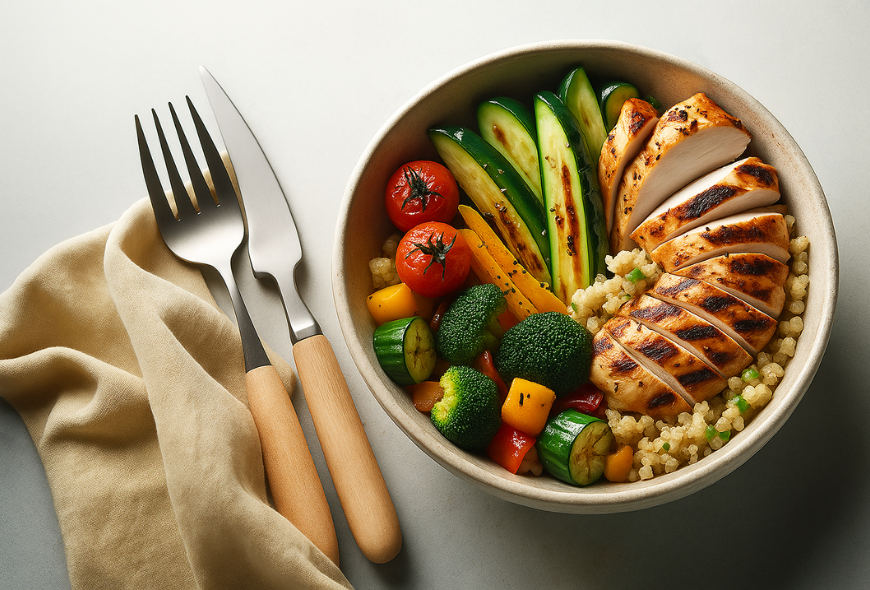
In our fast-paced lives, grabbing something on the go is often inevitable. But for many, the fear is that fast food means sacrificing health. If you’ve ever nervously hovered over a menu wondering, “Is there anything here that’s good for me?”, you’re not alone. The good news: there are healthy fast food options that are quick, tasty, and genuinely nutritious.
In this article, you’ll find:
- What counts as a truly healthy fast food choice
- Examples of best healthy fast food options at popular chains
- How to build or customize your meal smartly
- Potential pitfalls (like sodium and sauces)
- A mini-summary and practical ordering tips
No unrealistic promises — just actionable advice and real menu hacks so you can feel confident when ordering on the go.
1. What Makes a Fast Food Option “Healthy”?
Before we dive into menu picks, it’s essential to know what criteria distinguish a genuinely healthy fast food option from one that just sounds good. Use these benchmarks every time you order:
- Lean protein over fried
Prioritize grilled, baked, steamed, or roasted proteins (like chicken breast, fish, or beans) instead of fried or breaded meats. - Fiber and veggies for volume & satiety
The more non-starchy vegetables, beans, or greens your order includes, the better — they boost fiber, slow digestion, and help fill you up. - Whole grains when possible
Swap white buns or tortillas for whole wheat or multigrain alternatives. Small changes help reduce refined carbs. - Sauces, dressings & extras on the side
A spoonful of ranch or mayonnaise can add hundreds of calories and sodium. Ask for sauces or cheese on the side so you can control portions. - Watch sodium, sugar, and saturated fat
Even items that seem healthy can be loaded with salt or hidden sugars. Always glance at the nutrition info if available. - Reasonable portion sizes
Even the healthiest meal can become problematic when oversized. Aim for meals under 500–600 calories when possible.
If a fast food choice meets most of these, it qualifies as one of the healthiest fast food orders.
2. Examples of Healthy Fast Food Options Across Popular Chains
Below are real, workable examples of low calorie fast food meals and healthy fast casual options at major chains. Adapt these ideas to local or regional equivalents if the same chain isn’t available.
| Chain / Cuisine | Healthy Option or Swap | Why It Works |
| Chipotle / Mexican fast casual | Build a salad or bowl: grilled chicken or tofu, double veggies, black beans, salsa, skip sour cream, light cheese | High protein, high fiber, and controlled fats |
| Taco Bell | Cantina Chicken Power Bowl; Bean Burrito (omit rice) | The Power Bowl is balanced; the bean burrito is simple, protein-rich, and customizable |
| Wendy’s | Apple Pecan Salad with grilled chicken (dressing on side) | Offers protein and fiber in a light format |
| McDonald’s | Fruit & Maple Oatmeal or apple slices + side salad | A genuinely light and balanced breakfast option |
| Chick-fil-A | Grilled nuggets + side salad or kale crunch | High protein with nutrient-dense sides |
| Panera Bread | Broth-based soup + half sandwich on whole grain or a large salad with lean protein | Combines fresh ingredients and flexibility |
| Burger / sandwich chains | Order lettuce-wrapped burger or sub bowl with meat and veggies (skip the bread) | Handy low-carb swap used at many burger spots |
These examples show that most chains offer some healthy fast food options — as long as you know how to pick and tweak your order.
3. How to Build or Customize a Healthy Fast Food Meal (Step by Step)
When your favorite fast food chain lacks an obvious “healthy menu,” use this five-step method to construct a solid meal:
Step 1: Start with protein
Choose grilled, baked, or steamed meats or plant-based options (beans, tofu), avoiding breaded or fried versions.
Step 2: Add volume with vegetables or greens
Load your meal with lettuce, tomatoes, onions, peppers, or beans. These add fiber and nutrients for minimal calories.
Step 3: Choose whole grains or smart carbs
Pick whole wheat buns, brown rice, quinoa, or multigrain tortillas when available.
Step 4: Control extras
Ask for cheese, sauces, bacon, and dressings on the side. Use them sparingly — just a drizzle of vinaigrette or mustard can do the trick.
Step 5: Watch sides & drinks
Swap fries for salad, fruit, or soup. For beverages, choose water, unsweetened iced tea, or diet drinks. Sugary sodas are empty calories.
Mini example:
At a burger chain, a typical grilled chicken sandwich with cheese, mayo, fries, and soda could exceed 1,000 calories. By customizing — grilled chicken (no bun), side salad (light dressing), and water — you can stay under 500 calories while keeping protein high.
This approach helps you navigate even unfamiliar menus with confidence.
4. Pros, Cons & Constraints of Eating Healthy Fast Food
Pros
- Convenience meets better nutrition — satisfying hunger quickly without derailing health goals.
- Encourages smarter habits — repeated choices reinforce long-term healthy eating.
- Transparency — many chains now display full nutrition info for comparison.
Cons / Constraints
- Sodium, preservatives & additives — even healthier picks can be high in sodium or hidden sugars.
- Portion creep — upsizing or adding extras can undo your progress.
- Limited availability — not every city has the same menu or ingredient quality.
- Marketing vs reality — “healthy” menu tags can be misleading.
Be realistic: fast food can be part of a healthy lifestyle, but it shouldn’t replace balanced, home-prepared meals.
5. Pitfalls to Watch (and How to Avoid Them)
- “Healthy” labels can deceive
Terms like “light,” “fresh,” or “grilled” don’t always mean the meal is low-calorie or nutrient-rich. - Low-fat doesn’t always mean low-calorie
Low-fat dressings often compensate with sugar. Always check the total calories and ingredients. - Hidden calories in drinks and sides
A smoothie, shake, or large soda can add hundreds of calories. Stick to water or unsweetened beverages. - Overdependence on fast food
Even healthy fast food lacks the diversity and micronutrients of home-cooked meals. - Allergy or intolerance concerns
Cross-contamination is common in fast food kitchens, so check for allergen info if necessary.
By staying alert, you can make fast food work in your favor rather than against you.
6. Mini-Summary: Your Fast Food Strategy Checklist
- Focus on lean proteins and vegetables.
- Choose whole grains or lettuce wraps.
- Request sauces and cheese on the side.
- Replace fries with salad, fruit, or soup.
- Choose water, tea, or low-calorie drinks.
- Watch sodium, sugars, and portion sizes.
Apply this quick checklist no matter the restaurant — it’s a foolproof formula for smarter eating.
7. Best Healthy Fast Food Options – Top Picks & Hacks
Here are some of the best healthy fast food options nutrition experts often recommend:
- Taco Bell Cantina Chicken Power Bowl — balanced protein, fiber, and veggies.
- Wendy’s Apple Pecan Salad with grilled chicken — combines greens, fruit, and lean protein.
- Chipotle Lifestyle Bowl — customizable, nutrient-dense, and high in protein.
- Bean Burrito at Taco Bell — plant-based protein with adjustable fillings.
- Chick-fil-A Grilled Nuggets + Kale Crunch — clean protein with superfood sides.
- McDonald’s Fruit & Maple Oatmeal — a solid, light breakfast option.
Pro Hacks:
- Ask for bunless burgers or wraps.
- Swap fries for a side salad.
- Use mustard or salsa instead of creamy dressings.
- Order half portions or kids’ sizes for better calorie control.
- Skip desserts labeled as “light” — they often aren’t.
These menu hacks help you enjoy fast food while staying aligned with your goals.
8. Putting It into Practice: Real-Life Scenarios
Scenario A: Lunch on the go
You’re pressed for time and stop at a fast casual restaurant. You choose a grilled chicken bowl with double vegetables, light cheese, and water — balanced, satisfying, and under 500 calories.
Scenario B: Late-night craving
You hit a drive-thru after work. You go for a grilled chicken sandwich (no bun), a side salad, and unsweetened tea. It satisfies your hunger without excess fat or carbs.
Scenario C: Traveling abroad
In a different city, you find a local fast casual place. You apply the same rules: protein + veggies, skip heavy sauces, moderate carbs. No matter the country, the principles still work.
These examples prove that healthy fast food options aren’t theoretical — they’re achievable anywhere.
Conclusion
Eating on the go doesn’t have to mean unhealthy choices. With awareness and a few smart swaps, healthy fast food options can fit into your lifestyle easily.
Focus on the essentials — lean protein, veggies, controlled extras, and mindful portions — and you’ll start making healthier choices naturally. Over time, this builds consistent habits that make dining out stress-free, even at fast food chains.
Healthy fast food isn’t about restriction; it’s about smarter decisions that keep both taste and nutrition on your plate.
FAQs
1. What are some healthy fast food options for weight loss?
Options like grilled chicken salads, burrito bowls with veggies, or lettuce-wrapped burgers are excellent for weight loss since they are high in protein and fiber but moderate in calories.
2. Which are the best healthy fast food options at major chains?
Top picks include Taco Bell’s Power Bowl, Wendy’s Apple Pecan Salad, Chick-fil-A Grilled Nuggets, and Chipotle Lifestyle Bowls.
3. How can I pick a low calorie fast food meal?
Start with lean protein, load up on vegetables, control sauces, skip fried sides, and stick to water or low-calorie drinks.
4. Are healthy fast casual options always better than traditional fast food?
Generally yes, since fast casual spots offer fresher ingredients and more customization. But nutritional content still depends on your choices.
5. Can eating healthy fast food be sustainable long-term?
Yes, if it’s occasional and balanced with home-cooked meals. It’s about balance and portion control rather than strict avoidance.