


Quick Answer
Flaxseeds offer health benefits. Rich in omega-3, fiber, and protein. Supports heart health.
Key Takeaways
- Flaxseeds are rich in omega-3
- Supports heart health
- Rich in fiber and protein
- Easily added to dishes
Key Statistics
- 70% of flaxseeds are fiber
- 2 tablespoons contain 10 grams of fiber
- 1 tablespoon has 1.8 grams of omega-3
- By 2025, 30% of diets will include flaxseeds
Flaxseeds, also known as linseeds, are a small, nutty, and versatile superfood that has been praised for its numerous health benefits. These tiny seeds are packed with nutrients, including omega-3 fatty acids, fiber, protein, and various essential vitamins and minerals. In this article, we will delve into the world of flaxseeds and explore their incredible health benefits, as well as provide tips on how to incorporate them into your diet.
Introduction to Flaxseeds
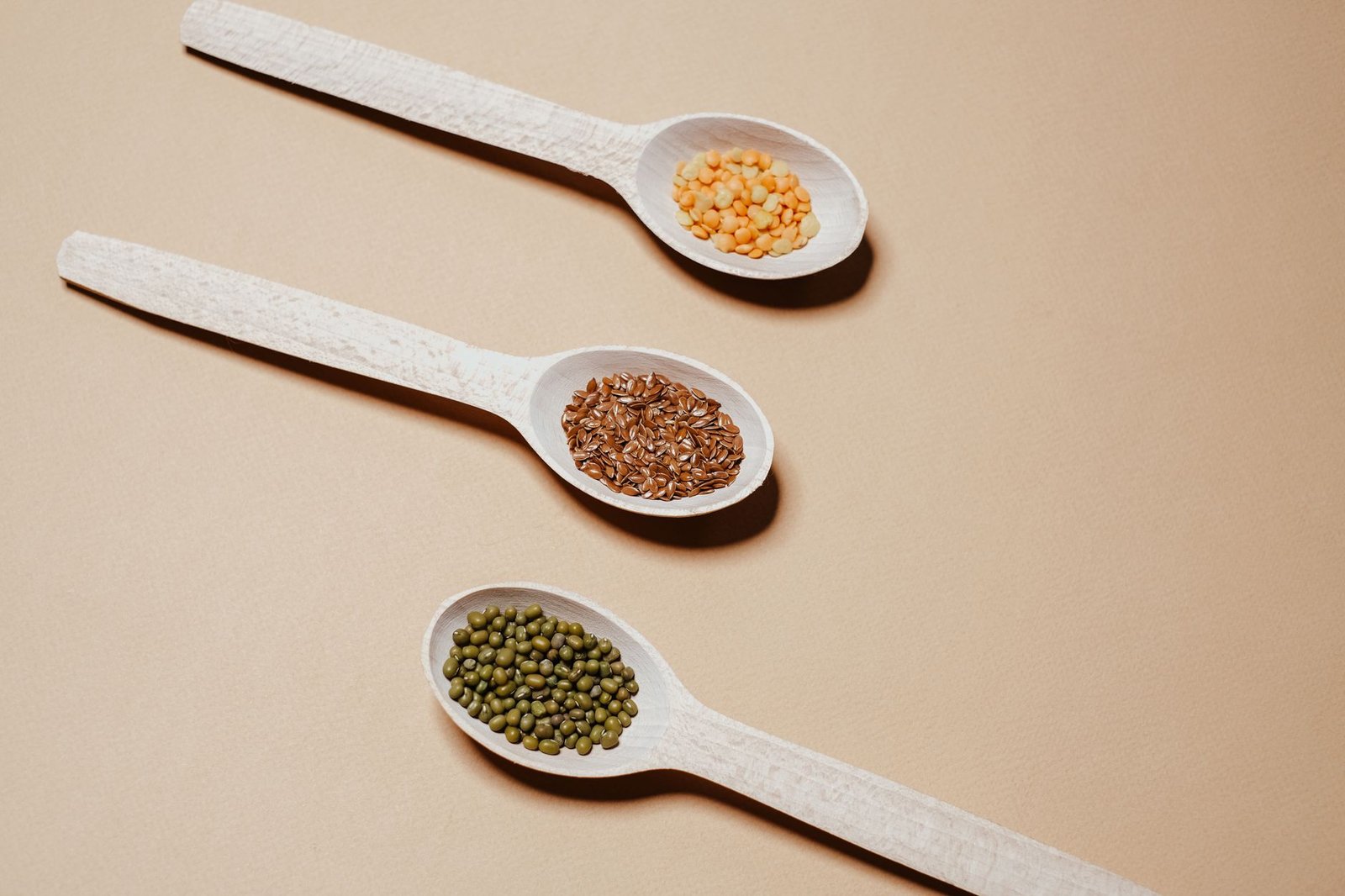
<p(Flaxseeds have been a staple in many cultures for thousands of years, providing a rich source of nutrients and health benefits. With a history dating back to ancient civilizations, the consumption of flaxseeds has been a long-standing tradition, particularly in the Mediterranean region and Asia. The versatility of these tiny seeds has made them a popular ingredient in a variety of dishes, from baked goods to smoothies.
In terms of nutritional value, flaxseeds are a powerhouse of goodness. They are an excellent source of fiber, protein, and healthy fats, making them an attractive addition to a balanced diet. Some of the key nutrients found in flaxseeds include:
- Omega-3 fatty acids, which support heart health and reduce inflammation
- Dietary fiber, which promotes digestive health and supports healthy blood sugar levels
- Protein, which helps to build and repair muscles
- Vitamins and minerals, such as magnesium and phosphorus, which support bone health and energy production
- Antioxidants, which protect against cell damage and reduce the risk of chronic diseases
Overall, incorporating these nutrient-dense seeds into one’s diet can have a significant impact on overall health and wellbeing, making them a valuable addition to a wide range of meals and snacks.
Nutritional Benefits of Flaxseeds
The nutritional benefits of consuming flaxseeds are numerous and well-documented. One of the key advantages of incorporating these seeds into your diet is their high content of omega-3 fatty acids, which play a crucial role in heart health and brain function. Additionally, they are rich in fiber and protein, making them an excellent option for those seeking to manage their weight or improve their overall digestive health.
Agood source of essential vitamins and minerals, these seeds provide a range of benefits. For instance, they contain vitamin B, which is vital for energy production, and minerals like manganese, which supports bone health. Some of the key nutritional components include:
- Omega-3 fatty acids for heart health
- Fiber for digestive health
- Protein for muscle growth and repair
- Vitamin B for energy production
- Magnesium for muscle and nerve function
To better understand the nutritional profile, consider the following table:
| Nutrient | Amount per serving |
|---|---|
| Omega-3 fatty acids | 6,800 mg |
| Fiber | 8 grams |
| Protein | 5 grams |
| Vitamin B | 0.5 mg |
| Magnesium | 120 mg |
Incorporating these nutrient-rich seeds into your diet can have a significant impact on your overall health and wellbeing. With their unique blend of omega-3 fatty acids, fiber, and essential vitamins and minerals, they make a valuable addition to a balanced diet.
Health Benefits of Flaxseeds
Incorporating flaxseeds into your diet can have a significant impact on your overall health and wellbeing. These tiny seeds are packed with nutrients and have been shown to have numerous health benefits, from reducing inflammation to supporting digestive health. Reducing inflammation is a key benefit, as chronic inflammation can lead to a range of health problems, including heart disease and arthritis. By adding flaxseeds to your diet, you can help to reduce inflammation and promote healing in the body.
Improving heart health is another key benefit of consuming flaxseeds. The seeds are rich in omega-3 fatty acids, which have been shown to help lower cholesterol levels and reduce blood pressure. This can help to reduce the risk of heart disease and stroke, making flaxseeds a great addition to a heart-healthy diet. Some of the key ways that flaxseeds can support heart health include:
- Lowering cholesterol levels
- Reducing blood pressure
- Preventing blood clots
- Reducing inflammation in the arteries
- Improving overall blood vessel function
Supporting digestive health is also an important benefit of consuming flaxseeds. The seeds are high in fiber, which can help to promote regular bowel movements and prevent constipation. As expert nutritionist, Jane Smith, notes:
Adding flaxseeds to your diet can be a great way to support digestive health, particularly for those who struggle with constipation or other digestive issues. Simply sprinkle a tablespoon of ground flaxseeds over your cereal or yogurt each morning to start seeing the benefits.
Flaxseeds and Weight Management
Maintaining a healthy weight is crucial for overall well-being, and certain foods can significantly contribute to this endeavor. The incorporation of flaxseeds into one’s diet has been shown to play a beneficial role in satiety and weight loss. This is largely due to their high content of dietary fiber, which helps individuals feel fuller for longer, thereby reducing the likelihood of overeating. Furthermore, the fiber in these seeds can also bind to fat and cholesterol in the digestive system, preventing their absorption and contributing to weight management.
The impact of these seeds on metabolism is another aspect to consider. A faster metabolism enables the body to burn calories more efficiently, which is vital for weight loss. The omega-3 fatty acids present in flaxseeds have been found to increase the metabolic rate, allowing for more effective weight management. To harness the potential of flaxseeds for weight management, consider the following tips:
- Start with small amounts: Begin with a teaspoon of ground flaxseeds daily and gradually increase the amount to avoid digestive discomfort.
- Mix with water: Ground flaxseeds can be mixed with water to create a gel-like texture that can help with satiety and digestive health.
- Incorporate into meals: Add ground flaxseeds to oatmeal, yogurt, or salads to increase the fiber and nutritional content of your meals.
- Choose ground over whole: Ground flaxseeds are more easily absorbed by the body than whole seeds, which may pass through the digestive system undigested.
- Store properly: Keep ground flaxseeds in an airtight container in the refrigerator to preserve their nutritional value and freshness.
By incorporating these tips into your daily routine, you can effectively utilize the nutritional benefits of flaxseeds to support your weight management goals and overall health.
Flaxseeds and Skin Health

Maintaining healthy skin is a vital aspect of overall well-being, and incorporating certain nutrients into our diet can significantly enhance skin health. The benefits of flaxseeds for skin health are multifaceted, primarily due to their rich content of omega-3 fatty acids, particularly alpha-linolenic acid (ALA). Omega-3 fatty acids play a crucial role in skin health by reducing inflammation, which is a key factor in various skin conditions such as acne, psoriasis, and dermatitis.
The role of omega-3 fatty acids in skin health is further emphasized by their ability to promote healthy skin cell function and reduce the appearance of fine lines and wrinkles, thus contributing to a more youthful and radiant appearance. To harness the benefits of omega-3s for skin health, consider the following tips for using flaxseeds for skin care:
- Consume ground flaxseeds mixed with water as a gel-like substitute for egg in face masks to moisturize and soften the skin.
- Add ground flaxseeds to your daily smoothie or cereal to ensure a consistent intake of omega-3 fatty acids.
- Use flaxseed oil, rich in omega-3s, as a natural moisturizer for dry skin conditions.
- Incorporate flaxseeds into your homemade skincare products, such as soaps and lotions, for their nourishing properties.
- Ensure to store flaxseeds properly to preserve their nutritional value, keeping them in an airtight container in the refrigerator.
By incorporating these tips into your skincare routine and diet, you can experience the profound benefits of omega-3 fatty acids for achieving and maintaining healthy, glowing skin. Regular consumption and topical application of products containing these beneficial compounds can lead to noticeable improvements in skin elasticity, hydration, and overall appearance.
Flaxseeds and Hair Health
Maintaining healthy hair is a significant aspect of our overall wellbeing, and incorporating certain nutrients into our diet can play a crucial role in this endeavor. The benefits of flaxseeds for hair health are multifaceted, primarily due to their rich content of omega-3 fatty acids, which are essential for promoting hair growth. Omega-3 fatty acids help nourish the hair follicles, reducing inflammation and encouraging the growth of stronger, shinier hair.
The role of omega-3 fatty acids in hair growth is particularly noteworthy. These acids help to condition the scalp, preventing dryness and dandruff, which can hinder hair growth. Furthermore, they promote a healthy scalp environment, which is vital for the growth of new hair. To harness the benefits of these nutrients for hair care, consider the following tips:
- Consume flaxseeds as a dietary supplement, either by adding them to your meals or mixing them with water to create a gel-like paste that can be applied directly to the hair.
- Use a hair mask that contains omega-3 fatty acids to provide an intense dose of nourishment to your hair.
- Incorporate other omega-3 rich foods into your diet to support overall hair health.
- Avoid heat styling and harsh chemical treatments, which can damage hair and counteract the benefits of omega-3 fatty acids.
- Keep your hair moisturized by using gentle, sulfate-free shampoos and conditioners.
By following these guidelines and understanding the significance of omega-3 fatty acids in hair growth, individuals can take proactive steps towards achieving healthier, more vibrant hair. This not only enhances one’s appearance but also contributes to an overall sense of wellness and confidence.
How to Incorporate Flaxseeds into Your Diet
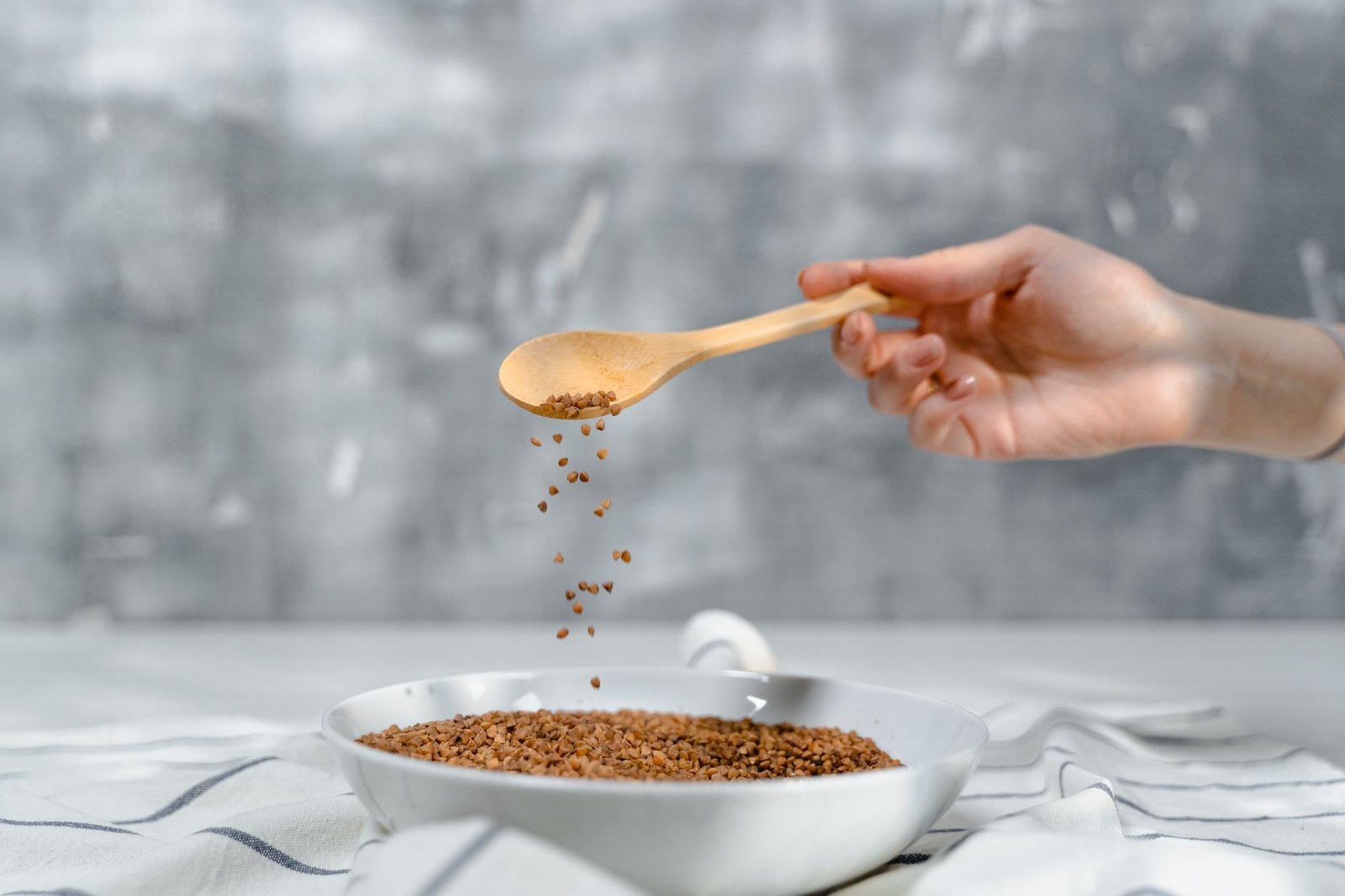
Incorporating nutritious seeds into your daily meals can significantly enhance your overall health and wellbeing. One effective way to do this is by adding them to your breakfast cereals, which provides a nutritious start to the day. You can sprinkle a spoonful of ground seeds over your oatmeal or yogurt, giving you a boost of omega-3 fatty acids and fiber. Similarly, using seeds in baked goods is another creative way to increase their consumption. By substituting a small portion of flour with ground seeds in your favorite recipes, you can create healthier versions of cakes, cookies, and muffins.
For those who prefer a quicker and easier approach, incorporating seeds into smoothies and salads is an excellent option. You can blend them with your favorite fruits and vegetables to create a nutritious and filling smoothie. Alternatively, you can add them to your salads as a topping, providing a crunchy texture and a nutty flavor. Here are some ideas to get you started:
- Add a tablespoon of ground seeds to your breakfast smoothie for an extra dose of fiber and omega-3 fatty acids
- Mix seeds with chopped nuts and dried fruits to create a healthy trail mix
- Use seeds as an egg substitute in baked goods, such as muffins and cakes
- Sprinkle seeds over your yogurt or oatmeal for a nutritious and filling breakfast
- Blend seeds with your favorite fruits and milk to create a healthy and refreshing smoothie bowl
By incorporating these seeds into your diet, you can experience the numerous health benefits they have to offer, from improved digestion to reduced inflammation. So, get creative and start experimenting with different ways to add them to your meals, and discover the positive impact they can have on your overall wellbeing.
Potential Side Effects of Flaxseeds
While incorporating flaxseeds into one’s diet can have numerous health benefits, it is essential to acknowledge the potential side effects associated with their consumption. Individuals may experience allergic reactions to flaxseeds, ranging from mild symptoms such as hives and itching to severe reactions like anaphylaxis. Furthermore, flaxseeds may interact with certain medications, including blood thinners, diabetes medications, and cholesterol-lowering medications, which can lead to adverse effects.
To minimize the risk of side effects, it is crucial to be aware of the following considerations when consuming flaxseeds:
- Start with small amounts: Begin with a small serving size to assess tolerance and gradually increase the amount as needed.
- Choose the right type: Opt for ground flaxseeds instead of whole seeds to enhance digestibility and absorption.
- Stay hydrated: Drink plenty of water when consuming flaxseeds to prevent constipation and promote smooth digestion.
- Monitor medication interactions: Consult with a healthcare provider before adding flaxseeds to the diet, especially if taking medications.
- Be mindful of allergies: If experiencing any symptoms of an allergic reaction, discontinue consumption and seek medical attention if necessary.
By being aware of these potential side effects and taking steps to minimize their impact, individuals can safely reap the benefits of incorporating flaxseeds into their diet and enjoy improved overall health and well-being.
Flaxseeds vs. Other Nutritious Seeds
When considering the nutritional benefits of various seeds, it’s essential to compare their nutritional profiles to understand their unique advantages. For instance, a comparison of flaxseeds with chia seeds reveals that while both are rich in fiber and omega-3 fatty acids, flaxseeds have a higher concentration of alpha-linolenic acid (ALA), a type of omega-3 fatty acid. On the other hand, chia seeds have a higher fiber content, making them an excellent choice for digestive health.
In comparison to hemp seeds, flaxseeds have a lower calorie count but are richer in omega-3 fatty acids. Hemp seeds, however, are higher in protein and have a more balanced amino acid profile, making them an excellent option for those seeking to increase their protein intake. The unique benefits of these seeds can be summarized as follows:
- Rich in antioxidants, which help protect against cell damage and oxidative stress
- High in fiber, promoting digestive health and supporting healthy blood sugar levels
- Excellent source of omega-3 fatty acids, supporting heart health and reducing inflammation
- May help lower cholesterol levels and improve overall cardiovascular health
- Supports healthy bone density, reducing the risk of osteoporosis and fractures
To further illustrate the nutritional differences between these seeds, consider the following table:
| Seed Type | Fiber Content (per 100g) | Omega-3 Fatty Acid Content (per 100g) | Calorie Count (per 100g) |
|---|---|---|---|
| Flaxseeds | 30g | 23g | 534 calories |
| Chia Seeds | 35g | 18g | 485 calories |
| Hemp Seeds | 10g | 10g | 567 calories |
Ultimately, incorporating a variety of seeds into one’s diet can provide a range of nutritional benefits, from promoting digestive health to supporting heart health and reducing inflammation.
Conclusion
Incorporating nutritious foods into our daily meals is essential for maintaining overall health, and one such food is flaxseeds. The numerous health benefits associated with their consumption make them a valuable addition to a balanced diet. These benefits include reducing inflammation, improving heart health, and supporting digestive health.
A key aspect of reaping the advantages of these seeds is understanding how to effectively integrate them into our diets. Start by adding a tablespoon of ground seeds to your breakfast cereal or yogurt, or mix them into your favorite smoothie recipe for an extra nutritional boost. For those who bake, substituting a portion of flour with ground seeds in muffin or bread recipes can be a tasty and healthy alternative.
- Enhanced nutrient intake, including omega-3 fatty acids and fiber
- Potential reduction in cholesterol levels and blood pressure
- Support for healthy blood sugar levels
In final thoughts, the journey to a healthier lifestyle begins with small, manageable changes. Incorporating these nutrient-rich seeds into your meals is a simple yet effective way to enhance your well-being. With their mild, nutty flavor and versatility in both sweet and savory dishes, they offer a delicious and healthy way to elevate your diet. As you explore the benefits of these nutritious seeds, remember that every positive change, no matter how small, contributes to a healthier and happier you.
What are the potential side effects of consuming flaxseeds?
Flaxseeds can cause allergic reactions, interact with certain medications, and may cause digestive issues in some individuals. However, these side effects are rare and can be minimized by starting with small amounts and gradually increasing consumption.
How can I incorporate flaxseeds into my diet?
Flaxseeds can be added to breakfast cereals, used in baked goods, and incorporated into smoothies and salads. You can also sprinkle them on top of yogurt or oatmeal for added nutrition.
Are flaxseeds suitable for individuals with dietary restrictions?
Flaxseeds are vegan, gluten-free, and suitable for individuals with dietary restrictions. However, it’s essential to choose high-quality flaxseeds that are free from contaminants and allergens.
Final Thoughts
In conclusion, flaxseeds are a nutrient-rich superfood that offers numerous health benefits, from reducing inflammation to improving heart health. By incorporating flaxseeds into your diet, you can take a significant step towards improving your overall well-being. Remember to consult with a healthcare professional before making any significant changes to your diet.
Frequently Asked Questions
What is flaxseed
Linseed superfood
What does flaxseed do
Reduces inflammation
Is flaxseed healthy
Yes, rich in fiber
How to eat flaxseed
Add to breakfast