

Rhodiola Rosea, also known as the ‘Golden Root,’ is a plant that has been used for centuries in traditional medicine to promote physical and mental well-being. This adaptogenic herb has gained popularity in recent years due to its potential to reduce stress, improve mental performance, and boost overall health.
Key Takeaways
- Rhodiola Rosea is an adaptogenic herb that helps the body adapt to stress
- It has been shown to improve mental performance, including memory and concentration
- Rhodiola Rosea may also have a positive effect on mood, reducing symptoms of anxiety and depression
What is Rhodiola Rosea?
Rhodiola Rosea, a plant with a rich history, has been utilized for centuries due to its remarkable adaptogenic properties. Native to the high-altitude, cold regions of Europe and Asia, this perennial plant has been a cornerstone of traditional medicine, particularly in Scandinavian and Russian cultures. The definition of Rhodiola Rosea revolves around its capacity to thrive in harsh environments, mirroring its ability to enhance human resilience against physical and mental stress.
Historically, the use of Rhodiola Rosea dates back to the era of the Vikings, who valued it for its vitality-enhancing effects. Over time, its applications have expanded, incorporating modern research that underscores its potential benefits for mental performance, mood stabilization, and physical endurance. Some of the key aspects of Rhodiola Rosea’s efficacy and usage include:
- Improvement in mental clarity and focus, aiding in complex tasks that require sustained attention.
- Enhancement of mood, helping reduce symptoms of anxiety and depression through its neuroprotective effects.
- Boosting of physical performance, making it a popular choice among athletes looking to improve endurance and reduce recovery time.
- Support for weight management, as it may help in regulating cortisol levels and enhancing metabolism.
- Potential anti-aging benefits, attributed to its antioxidant properties that combat oxidative stress and cellular damage.
Understanding what Rhodiola Rosea is, reveals not just a plant, but a potential key to unlocking better health, productivity, and overall well-being. Its multifaceted benefits and long-standing history of use position it as a valuable resource in the realm of natural health supplements.
How Does Rhodiola Rosea Work?
The mechanism of action of Rhodiola Rosea involves its ability to influence various physiological processes in the body, leading to a range of health benefits. At its core, it operates by interacting with the body’s stress response system, helping to mitigate the negative impacts of stress on both physical and mental health. This adaptogenic herb works by enhancing the body’s natural resistance to stress, thereby promoting balance and well-being.
The effects of Rhodiola Rosea on the body are multifaceted and can be seen in several key areas, including:
- Improved mental performance, as evidenced by enhanced focus, memory, and learning capacity
- Boosted mood, with reductions in stress and anxiety levels
- Enhanced physical endurance, making it beneficial for athletes and individuals with demanding physical routines
- Support for weight management, through its influence on metabolism and fat burning processes
- Improved sleep quality, which is essential for overall health and recovery
By understanding how Rhodiola Rosea works, individuals can better appreciate its potential to support their overall health and wellness goals. Whether looking to improve mental clarity, physical performance, or simply manage the stresses of daily life, this natural herb offers a promising avenue for achieving a healthier, more balanced lifestyle.
Benefits of Rhodiola Rosea for Mental Health

The impact of Rhodiola Rosea on mental health has been a subject of extensive research, highlighting its potential to mitigate the effects of stress and anxiety. By reducing the body’s stress response, this adaptogenic herb helps to alleviate symptoms associated with anxiety disorders, promoting a sense of calm and well-being. Furthermore, it plays a significant role in improving mood and cognitive function, thereby enhancing overall mental resilience.
Some of the key benefits of incorporating Rhodiola Rosea into one’s regimen for improved mental health include:
- Enhanced focus and concentration, leading to better performance in work and study environments
- Improved emotional regulation, reducing mood swings and irritability
- Increased mental stamina, helping individuals cope with the demands of daily life
- Better sleep quality, which is crucial for mental health and cognitive function
- Boosted self-esteem and confidence, contributing to a more positive outlook on life
By addressing these aspects of mental health, Rhodiola Rosea offers a holistic approach to wellness, supporting individuals in achieving a balanced and healthy lifestyle. Its ability to improve mood and cognitive function makes it an valuable adjunct to traditional therapies for managing mental health conditions, providing a natural and effective way to promote psychological well-being.
Rhodiola Rosea for Physical Performance

Physical performance is a critical aspect of overall health and well-being, and certain natural supplements can play a significant role in enhancing it. Rhodiola Rosea is one such supplement that has been found to have a positive impact on physical performance by improving endurance and stamina. This is particularly beneficial for athletes and individuals who engage in strenuous physical activities, as it enables them to perform at higher intensities for longer durations without experiencing fatigue.
Additionally, Rhodiola Rosea has been found to support weight loss, which is another crucial factor in maintaining optimal physical health. By reducing body fat and increasing muscle mass, individuals can improve their overall physical performance and reduce their risk of developing chronic diseases. Some of the key benefits of using Rhodiola Rosea for physical performance include:
- Improved cardiovascular function, allowing for more efficient oxygen delivery to the muscles
- Enhanced mitochondrial function, resulting in increased energy production
- Increased muscle strength and endurance, enabling individuals to perform at higher intensities
- Reduced oxidative stress and inflammation, minimizing muscle damage and improving recovery
- Improved mental performance and focus, allowing individuals to push themselves harder and longer
Overall, the use of Rhodiola Rosea as a natural supplement can have a significant impact on physical performance, enabling individuals to perform at higher levels and achieve their fitness goals. By incorporating Rhodiola Rosea into their training regimen, athletes and fitness enthusiasts can experience improved endurance, increased strength, and faster recovery times, ultimately leading to better overall physical health and well-being.
The Science Behind Rhodiola Rosea’s Adaptogenic Properties
Adaptogenic herbs have been utilized for centuries to enhance the body’s resilience to physical and emotional stressors. The adaptogenic effects of Rhodiola Rosea on the body are multifaceted, influencing various physiological processes to promote homeostasis and overall well-being. Key aspects of its adaptogenic properties include its ability to modulate the stress response system, enhance mental performance, and boost physical stamina.
When combined with other herbs or medications, it is crucial to consider potential interactions. For instance,
- combining Rhodiola Rosea with stimulants may exacerbate anxiety in sensitive individuals
- integrating it with antidepressants requires careful monitoring due to potential synergistic effects on neurotransmitter levels
- pairing it with adaptogenic mushrooms may enhance its overall adaptogenic effects
- using it alongside certain blood thinners necessitates regular blood work to avoid adverse interactions
| Compound | Effect on the Body |
|---|---|
| Rosavin | Antioxidant and neuroprotective effects |
| Salidroside | Enhances mental clarity and reduces fatigue |
Understanding the science behind Rhodiola Rosea’s adaptogenic properties provides a foundation for harnessing its benefits while minimizing potential risks. By acknowledging its mechanisms of action and interactions, individuals can make informed decisions about incorporating this herb into their wellness regimen, under the guidance of a healthcare professional if necessary.
Potential Side Effects and Interactions
While Rhodiola Rosea is generally considered safe, it can cause some common side effects, particularly when taken in high doses. These may include dry mouth, dizziness, and headache. To minimize the risk of adverse effects, it is essential to take the supplement as directed and start with a low dose. Individuals should also be aware of potential interactions with other medications, such as blood thinners, and monitor their blood pressure regularly.
Precautions and contraindications are also crucial to consider when using Rhodiola Rosea. The following points are essential to keep in mind:
- Avoid taking the supplement during pregnancy or breastfeeding, as its effects on the fetus or baby are not well understood.
- Do not take Rhodiola Rosea if you have bipolar disorder, as it may trigger manic episodes.
- Be cautious when taking the supplement if you have high blood pressure, as it may exacerbate the condition.
- Monitor your blood sugar levels if you have diabetes, as Rhodiola Rosea may lower blood sugar.
- Consult with your doctor before taking the supplement if you have any underlying medical conditions or are taking medications.
As an expert in herbal supplements, I always recommend consulting with a healthcare professional before adding any new supplement to your regimen, including Rhodiola Rosea. This ensures that you can enjoy the benefits while minimizing potential risks and interactions.
By being aware of the potential side effects and interactions, individuals can use Rhodiola Rosea safely and effectively, and reap its benefits for their overall well-being.
Using Rhodiola Rosea for Stress Relief
For individuals seeking a natural approach to managing stress, Rhodiola Rosea offers a promising solution. When it comes to utilizing this adaptogenic herb for stress relief, understanding the optimal dosage and preparation methods is crucial. Typically, Rhodiola Rosea supplements are available in capsule or tablet forms, with recommended dosages ranging from 100 to 200 milligrams per serving.
The timing and frequency of use can significantly impact the efficacy of Rhodiola Rosea in alleviating stress. It is generally advised to take the supplement in the morning or early afternoon to avoid potential sleep disturbances. The key is to find a balance that works for each individual, considering factors such as lifestyle, stress levels, and personal sensitivity to the herb.
To maximize the benefits of Rhodiola Rosea for stress relief, consider the following guidelines:
- Start with a low dosage to assess tolerance and gradually increase as needed.
- Combine Rhodiola Rosea with a healthy diet rich in fruits, vegetables, and whole grains to enhance its adaptogenic effects.
- Engage in regular physical activity, such as walking or yoga, to reduce stress levels and improve overall well-being.
- Practice mindfulness techniques, like meditation or deep breathing, to complement the stress-relieving properties of the herb.
- Monitor and adjust the dosage and timing based on individual responses and stress levels.
By incorporating Rhodiola Rosea into a comprehensive stress management plan, individuals can harness its potential to promote mental clarity, boost mood, and enhance resilience to stress. As with any supplement, it is essential to consult with a healthcare professional before adding Rhodiola Rosea to your regimen, especially if you have any underlying health conditions or concerns.
Rhodiola Rosea and Sleep Quality
Improving sleep quality is crucial for both physical and mental well-being. Research has shown that Rhodiola Rosea can have a positive impact on sleep patterns by regulating the body’s internal clock and reducing symptoms of insomnia. The adaptogenic properties of this herb help in managing stress, which is a significant contributor to sleep disturbances.
When considering the use of Rhodiola Rosea for sleep, it’s essential to understand how it interacts with other sleep aids. Combining it with other natural supplements can enhance its effects. Some options to consider include:
- Melatonin: A hormone that regulates sleep-wake cycles, often used to treat insomnia and jet lag.
- Valerian root: Known for its calming effects, which can help in falling asleep and improving sleep quality.
- GABA: A neurotransmitter that helps in reducing anxiety and stress, promoting a restful sleep.
- 5-Hydroxytryptophan (5-HTP): An amino acid that the body uses to produce serotonin, a neurotransmitter involved in regulating sleep.
- L-theanine: An amino acid found in green tea, which can help in relaxation and reducing stress levels.
By incorporating Rhodiola Rosea into a sleep routine, individuals can potentially experience deeper, more restorative sleep. This can lead to improved cognitive function, enhanced mood, and better overall health. As with any supplement, it’s crucial to consult with a healthcare professional before adding it to your regimen, especially when combining it with other sleep aids.
Incorporating Rhodiola Rosea into Your Wellness Routine
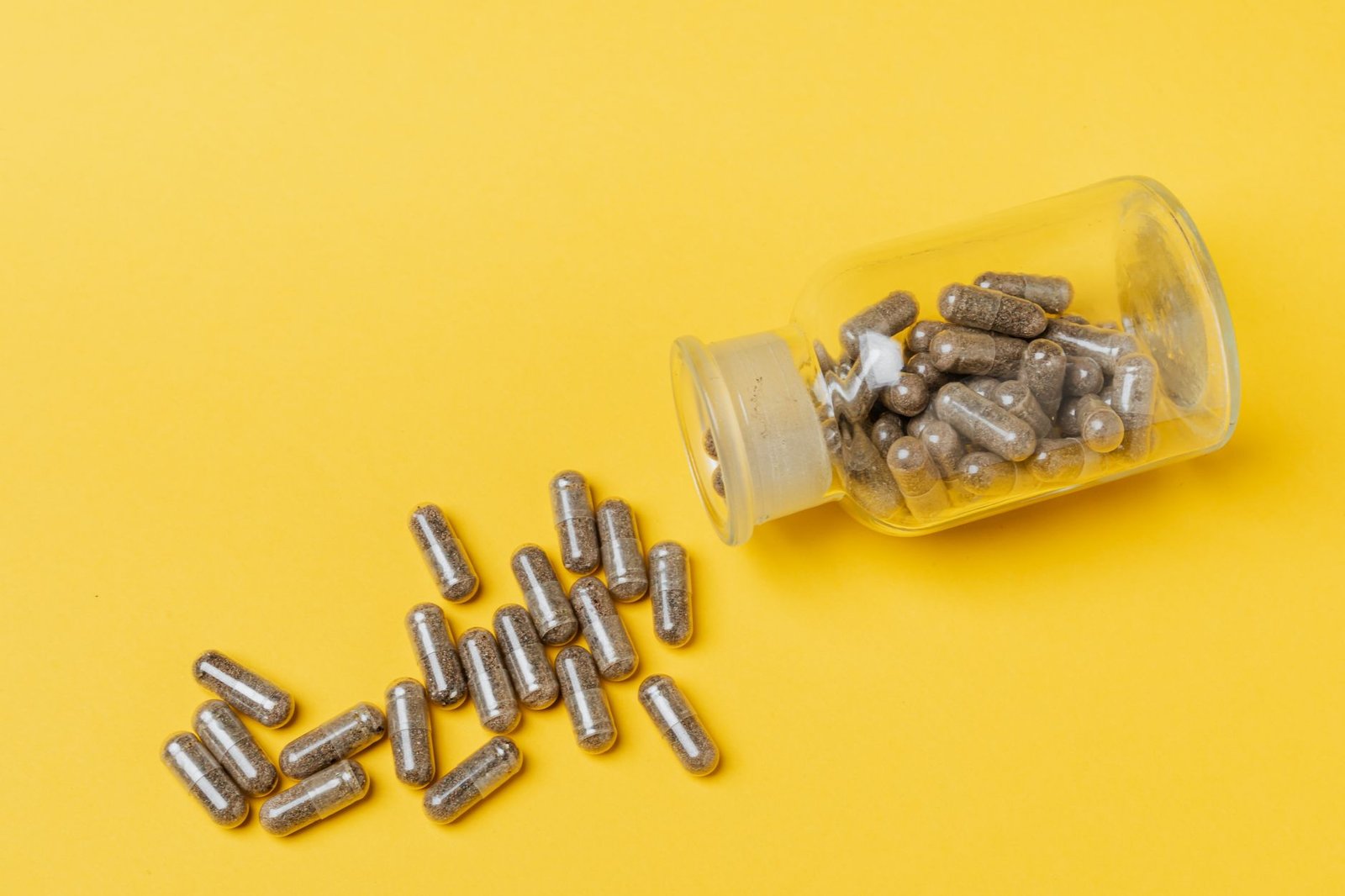
To experience the full benefits of this adaptogenic herb, it is essential to incorporate it into your daily routine in a thoughtful and intentional manner. When considering tips for daily use, start by determining the optimal dosage for your specific needs, which can range from 100 to 200 milligrams per day, depending on the individual’s sensitivity and goals. Consistency is key; ideally, the supplement should be taken at the same time every day to establish a routine and allow the body to adjust and respond favorably.
Combining Rhodiola Rosea with other adaptogenic herbs can enhance its effects, creating a synergistic approach to stress management and overall well-being. Some considerations for combination include:
- Ashwagandha, which complements Rhodiola’s stress-reducing properties with its own set of benefits, including improved sleep quality and anxiety reduction.
- Ginseng, known for its energy-boosting properties, which can pair well with Rhodiola Rosea’s mental performance enhancement capabilities.
- Maca, a herb that supports hormonal balance, which can be particularly beneficial when combined with the mood-enhancing effects of Rhodiola.
- Schisandra, which contributes to the mix with its antioxidant properties and ability to support cognitive function.
- Tulsi (Holy Basil), renowned for its calming effects and ability to reduce cortisol levels, thereby enhancing the adaptogenic blend’s stress mitigation potential.
By integrating these herbs into a personalized wellness plan, individuals can tailor their approach to meet specific health and wellness objectives, whether that be improving mental resilience, boosting energy levels, or simply cultivating a greater sense of calm and well-being in daily life.
Conclusion and Future Research Directions
In conclusion, the adaptogenic properties of Rhodiola Rosea have been extensively studied, and the key findings suggest that it has a profound impact on both physical and mental well-being. The herb has been shown to improve mental performance, reduce stress and anxiety, and even exhibit anti-inflammatory properties. A summary of the key findings highlights the herb’s potential in promoting overall health.
There are several areas that require further study to fully understand the benefits and potential applications of this herb. Some of these areas include:
- Investigating the optimal dosage and duration of treatment to achieve maximum efficacy
- Examining the potential interactions between Rhodiola Rosea and other medications
- Conducting long-term studies to assess the safety and sustainability of using the herb as a supplement
- Exploring the potential therapeutic applications of Rhodiola Rosea in the treatment of various diseases and disorders
- Studying the effects of the herb on different populations, such as children, older adults, and individuals with specific medical conditions
Future research directions should focus on addressing these knowledge gaps and exploring new avenues for the application of this versatile herb. By continuing to investigate the properties and effects of Rhodiola Rosea, researchers can unlock its full potential and provide concrete evidence for its use in promoting health and well-being.
Frequently Asked Questions
What is the recommended dosage of Rhodiola Rosea?
The recommended dosage of Rhodiola Rosea varies depending on the individual and the specific health concern being addressed, but typical doses range from 100-500mg per day.
Can Rhodiola Rosea be used in combination with other medications?
As with any supplement, it is essential to consult with a healthcare professional before using Rhodiola Rosea in combination with other medications, as it may interact with certain prescription drugs or exacerbate underlying health conditions.
Are there any known side effects of Rhodiola Rosea?
While Rhodiola Rosea is generally considered safe and well-tolerated, potential side effects may include dry mouth, dizziness, and stomach upset, particularly when taken in high doses or combined with other substances.
Final Thoughts
In conclusion, Rhodiola Rosea is a versatile and potent adaptogenic herb that offers a range of health benefits, from reducing stress and improving mental clarity to enhancing physical performance and promoting overall well-being. As research continues to uncover the full potential of this natural remedy, it is clear that Rhodiola Rosea is an valuable addition to any health and wellness routine.
{“@context”:”https://schema.org”,”@type”:”FAQPage”,”mainEntity”:[{“@type”:”Question”,”name”:”What is the recommended dosage of Rhodiola Rosea?”,”acceptedAnswer”:{“@type”:”Answer”,”text”:”The recommended dosage of Rhodiola Rosea varies depending on the individual and the specific health concern being addressed, but typical doses range from 100-500mg per day.”}},{“@type”:”Question”,”name”:”Can Rhodiola Rosea be used in combination with other medications?”,”acceptedAnswer”:{“@type”:”Answer”,”text”:”As with any supplement, it is essential to consult with a healthcare professional before using Rhodiola Rosea in combination with other medications, as it may interact with certain prescription drugs or exacerbate underlying health conditions.”}},{“@type”:”Question”,”name”:”Are there any known side effects of Rhodiola Rosea?”,”acceptedAnswer”:{“@type”:”Answer”,”text”:”While Rhodiola Rosea is generally considered safe and well-tolerated, potential side effects may include dry mouth, dizziness, and stomach upset, particularly when taken in high doses or combined with other substances.”}}]}
{“@context”:”https://schema.org”,”@type”:”Article”,”headline”:”Health Benefits of Rhodiola Rosea”,”mainEntityOfPage”:”https://healthbye.com/health-benefits-of-rhodiola-rosea/”,”datePublished”:”2026-08-05T10:24:05+00:00″,”dateModified”:”2026-08-05T10:24:05+00:00″,”author”:{“@type”:”Person”,”name”:”healthbye”},”publisher”:{“@type”:”Organization”,”name”:”healthbye”},”image”:”https://healthbye.com/wp-content/uploads/2026/08/vidhaata-e52TNHx0.jpg”}