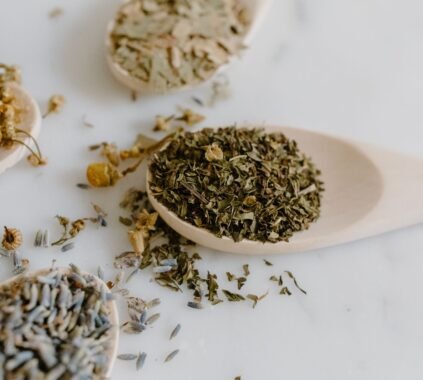


Fenugreek, a plant-based herb, has been used for centuries in traditional medicine to treat various health conditions, including diabetes. With its unique nutritional profile and bioactive compounds, fenugreek has gained significant attention in recent years for its potential health benefits, particularly in regulating blood sugar levels and improving insulin sensitivity.
Key Takeaways
- Fenugreek helps regulate blood sugar levels and improve insulin sensitivity
- It has anti-inflammatory and antioxidant properties, which can help reduce the risk of diabetes-related complications
- Fenugreek can be consumed as a supplement, added to food, or used as a tea to reap its health benefits
Introduction to Fenugreek

Fenugreek, a herb whose history dates back thousands of years, has been a cornerstone of traditional medicine, particularly in the regions of India and the Middle East. This versatile plant has been utilized not only for its culinary purposes but also for its medicinal properties, playing a significant role in addressing various health issues, including diabetes. The Fenugreek health benefits are multifaceted, attributed to its rich nutritional profile and the presence of bioactive compounds. Fenugreek is an excellent source of vitamins, minerals, and fiber, making it a nutritious addition to a balanced diet.
One of the key aspects of fenugreek is its nutritional profile, which includes a broad spectrum of essential nutrients. Some of the notable components of fenugreek are highlighted in the following points:
- Protein: Fenugreek seeds are a good source of protein, making them an excellent option for vegetarians and vegans.
- Fiber: The high fiber content in fenugreek helps in managing blood sugar levels and promoting digestive health.
- Vitamins and Minerals: Fenugreek is rich in vitamins A, C, and K, as well as minerals like potassium, iron, and calcium.
- Antioxidants: Fenugreek contains a variety of antioxidants that help protect the body against free radicals.
- phytochemicals: The bioactive compounds in fenugreek have been shown to have anti-inflammatory properties, contributing to the Fenugreek health benefits, especially in the management of diabetes.
The bioactive compounds present in fenugreek, such as saponins and fenugreekine, have been studied for their potential in lowering blood glucose levels and improving insulin sensitivity. As research continues to emerge on the benefits of fenugreek, it is becoming increasingly recognized as a valuable natural remedy for supporting diabetes management and overall health.
Fenugreek and Diabetes Management

Fenugreek has emerged as a valuable natural remedy in the management of diabetes, offering numerous benefits that contribute to effective diabetes care. One of the most significant Fenugreek health benefits is its ability to regulate blood sugar levels. By influencing the body’s insulin response, Fenugreek helps in maintaining stable glucose levels, which is crucial for individuals with diabetes. Furthermore, it enhances insulin sensitivity, allowing the body to more efficiently use insulin, thereby reducing the risk of developing insulin resistance and associated complications.
Beyond its direct impact on blood sugar and insulin, Fenugreek also plays a role in reducing diabetes-related complications. These complications can include heart disease, kidney damage, and vision problems, among others. The incorporation of Fenugreek into a diabetes management plan can therefore have a multifaceted positive effect on overall health. Some of the key ways Fenugreek supports diabetes management include:
- Enhancing the body’s natural ability to produce insulin, which can lead to better blood sugar control.
- Providing antioxidants that help protect against cell damage, which can contribute to the development of diabetes complications.
- Serving as an anti-inflammatory agent, reducing inflammation that can exacerbate diabetes and its complications.
- Supporting heart health by reducing cholesterol levels and blood pressure, both of which are risk factors for diabetes-related heart disease.
- Aiding in weight management, as excess weight is a significant risk factor for developing type 2 diabetes.
In conclusion, the Fenugreek health benefits for diabetes management are substantial, making it a valuable addition to a comprehensive diabetes care plan. Whether through supplements or incorporated into meals, Fenugreek offers a natural and effective way to support blood sugar management and reduce the risk of diabetes-related complications.
The Science Behind Fenugreek’s Health Benefits
Fenugreek, a herb with a rich history, has garnered significant attention for its potential to manage and regulate blood sugar levels, particularly in the context of diabetes management. The Fenugreek health benefits can be attributed to the presence of various bioactive compounds that contribute to its medicinal properties. These compounds not only exhibit antioxidant properties but also possess anti-inflammatory effects, making fenugreek a valuable ingredient in dietary supplements and traditional medicines.
Some of the key bioactive compounds found in fenugreek include:
- Alkaloids, which have been shown to reduce blood sugar levels.
- Glycosides, known for their antioxidant and anti-inflammatory properties.
- Flavonoids, which are powerful antioxidants that help protect against cell damage.
- Saponins, known to have anti-inflammatory and immune-boosting effects.
- Phenolic acids, which contribute to the overall antioxidant capacity of fenugreek.
The antioxidant properties of fenugreek are critical in mitigating oxidative stress, a condition known to exacerbate diabetes and its complications. When looking at the specific contributions of these compounds to Fenugreek health benefits, it becomes evident that they play a pivotal role in enhancing the herb’s efficacy.
| Compound | Property | Benefit |
|---|---|---|
| Diogenin | Antioxidant | Reduces oxidative stress |
| 4-Hydroxyisoleucine | Anti-inflammatory | Helps in managing insulin sensitivity |
| Galactomannans | Prebiotic | Supports gut health, indirectly influencing blood sugar control |
In conclusion, understanding the science behind fenugreek’s health benefits is essential for appreciating its potential as a complementary therapy for diabetes management. Through its bioactive compounds, antioxidant properties, and anti-inflammatory effects, fenugreek offers a multifaceted approach to health that can be particularly beneficial when integrated into a balanced diet and lifestyle.
Fenugreek Supplementation for Diabetes
Fenugreek supplementation has been extensively studied for its potential in managing diabetes, and the findings suggest that it can be a valuable adjunct to traditional treatments. When it comes to dosage and administration, it is essential to consult with a healthcare provider to determine the most appropriate regimen. Generally, fenugreek supplements are available in capsule or powder form, with the typical dosage ranging between 500 mg to 1000 mg per day.
Potential side effects of fenugreek supplementation include gastrointestinal upset, such as diarrhea, nausea, and stomach cramps. Additionally, fenugreek may lower blood sugar levels, which can be a concern for individuals taking diabetes medications. It is crucial to monitor blood sugar levels closely when combining fenugreek with other diabetes treatments. The following are some key considerations when using fenugreek supplements:
- Start with a low dose and gradually increase as needed and under medical supervision.
- Monitor blood sugar levels regularly to avoid hypoglycemia.
- Be aware of potential interactions with other medications, such as blood thinners and diabetes drugs.
- Choose a high-quality supplement from a reputable manufacturer to minimize the risk of contamination or adulteration.
- Inform your healthcare provider about any supplements or medications you are taking to ensure safe and effective treatment.
As
Dr. Smith, a leading expert in natural health, notes, "Fenugreek health benefits can be significant for individuals with diabetes, but it is vital to approach supplementation with caution and under the guidance of a qualified healthcare professional."
Furthermore, individuals should be aware of potential interactions with medications, such as metformin, which may increase the risk of hypoglycemia when combined with fenugreek. By understanding the Fenugreek health benefits and risks, individuals with diabetes can make informed decisions about incorporating this supplement into their treatment plan.
Incorporating Fenugreek into Your Diet

To experience the Fenugreek health benefits, particularly for diabetes management, it’s essential to incorporate it into your daily diet. One of the simplest ways to do this is by adding fenugreek to your food. You can sprinkle the seeds or leaves over your meals, such as salads, soups, or curries. Additionally, using fenugreek as a tea is another popular method. Simply steep a teaspoon of fenugreek seeds in boiling water for a few minutes, then strain and drink. For those looking for more creative ways to consume fenugreek, there are numerous recipes available that highlight its unique flavor and aroma.
Some delicious and easy-to-make fenugreek recipes include:
- Fenugreek and vegetable stir-fry, which combines the seeds with an assortment of colorful vegetables and spices
- Fenugreek and lentil soup, a hearty and comforting option for colder months
- Fenugreek and cheese omelette, adding a twist to a classic breakfast dish
- Fenugreek and herb roasted chicken, which infuses the seeds’ distinct flavor into the meat
- Fenugreek and spinach curry, blending the health benefits of both ingredients in a flavorful sauce
By incorporating fenugreek into your diet, you can begin to reap its rewards, including potential improvements in blood sugar control and overall Fenugreek health benefits. Experimenting with different recipes and methods of preparation can help you find the best way to make fenugreek a sustainable and enjoyable part of your daily routine.
Potential Risks and Side Effects
While Fenugreek is generally considered safe and offers numerous Fenugreek health benefits, particularly for individuals with diabetes, there are potential risks and side effects to be aware of. These considerations are crucial for maximizing the positive impacts of Fenugreek while minimizing any adverse effects. Allergic reactions to Fenugreek can occur, manifesting as symptoms such as hives, itching, and difficulty breathing, although such reactions are relatively rare.
Moreover, Fenugreek can interact with certain medications, including blood thinners and diabetes medications, which may necessitate adjustments in dosage under the supervision of a healthcare provider. For instance, since Fenugreek can lower blood sugar levels, individuals taking diabetes medications may need to reduce their dosage to prevent hypoglycemia. The interactions with medications highlight the importance of consulting with a healthcare professional before starting Fenugreek supplementation, especially for those with pre-existing medical conditions or taking prescribed medications.
Pregnancy and breastfeeding are other critical considerations. Although Fenugreek has been traditionally used to stimulate milk production in lactating women, its effects during pregnancy are less clear, and potential risks such as stimulating uterine contractions exist. Therefore, it is advisable for pregnant or breastfeeding women to use Fenugreek under medical supervision. Some key points regarding the safe use of Fenugreek include:
- Avoiding Fenugreek if there is a known allergy to it, to prevent allergic reactions.
- Informing the healthcare provider about all medications being taken to minimize the risk of adverse interactions.
- Monitoring blood sugar levels closely when taking Fenugreek alongside diabetes medications to avoid hypoglycemia.
- Consulting with a healthcare provider before using Fenugreek during pregnancy or breastfeeding.
- Starting with a low dose and gradually increasing as needed and under medical supervision to gauge tolerance and efficacy.
In conclusion, while the Fenugreek health benefits for diabetes management are significant, being aware of the potential risks and taking steps to mitigate them is essential for safe and effective use. By understanding these factors and consulting with healthcare professionals, individuals can harness the benefits of Fenugreek while minimizing its risks.
Fenugreek and Weight Management
Fenugreek has been found to play a significant role in weight management, which is closely linked to the management of diabetes. The Fenugreek health benefits in this area are multifaceted, including appetite suppression, metabolism boost, and ultimately, weight loss. By reducing hunger and increasing feelings of fullness, fenugreek helps individuals with diabetes to maintain a healthier diet and avoid overeating.
This effect is further enhanced by fenugreek’s ability to boost metabolism, helping the body burn calories more efficiently. Some of the ways fenugreek aids in weight management include:
- Reducing calorie intake by suppressing appetite
- Increasing the body’s metabolic rate to burn fat more effectively
- Enhancing glucose metabolism to prevent spikes in blood sugar levels
- Supporting the growth of beneficial gut bacteria, which is linked to better weight control
- Aiding in the reduction of inflammation, a factor known to disrupt metabolism and weight regulation
To illustrate the impact of fenugreek on weight and glucose metabolism, consider the following summary:
| Aspect of Metabolism | Effect of Fenugreek |
|---|---|
| Appetite | Suppressed, leading to lower calorie intake |
| Metabolic Rate | Increased, leading to more efficient calorie burning |
| Glucose Levels | Improved regulation, reducing the risk of spikes and crashes |
| Gut Health | Supported, with benefits for digestion and metabolism |
In exploring Fenugreek health benefits for diabetes management, it becomes clear that its effects on weight are a crucial part of its overall value. By helping individuals manage their weight, fenugreek contributes to better blood sugar control and reduced risk of complications associated with diabetes.
Fenugreek’s Impact on Cardiovascular Health
Fenugreek has been extensively studied for its potential to enhance cardiovascular wellness, which is closely linked to the management of diabetes. The Fenugreek health benefits extend beyond blood sugar control, as it also plays a significant role in lowering cholesterol levels, a major risk factor for heart disease. By reducing the levels of low-density lipoprotein (LDL) cholesterol, often referred to as ‘bad’ cholesterol, fenugreek helps in mitigating the risk of cardiovascular events such as heart attacks and strokes.
Regular consumption of fenugreek can also lead to a significant reduction in blood pressure, another critical factor in cardiovascular health. High blood pressure can damage blood vessels and the heart, leading to complications such as heart failure. Moreover, fenugreek’s ability to improve cardiovascular function is attributed to its antioxidant properties, which help in protecting the heart and blood vessels from damage caused by free radicals.
- Lowering triglycerides and LDL cholesterol
- Reducing inflammation in the cardiovascular system
- Preventing the formation of blood clots
- Enhancing the overall function of the heart and blood vessels
- Supporting the health of the blood vessel lining
According to health experts, incorporating fenugreek into your diet can be a natural and effective way to bolster your heart health and reap the broader Fenugreek health benefits, but it is essential to consult with a healthcare provider before making any significant changes to your regimen.
Fenugreek and Other Health Benefits
Beyond its well-documented effects on diabetes management, Fenugreek has been found to possess a range of additional health benefits, making it a valuable herbal supplement for overall wellness. Among these benefits are its anti-cancer properties, with studies suggesting that compounds within Fenugreek may inhibit the growth of cancer cells and induce apoptosis, or cell death, in various types of cancer.
Fenugreek also exhibits neuroprotective effects, potentially aiding in the prevention or mitigation of neurodegenerative diseases such as Alzheimer’s and Parkinson’s. Its immunomodulatory effects are equally noteworthy, as they help in regulating the immune system, thereby enhancing the body’s defenses against infections and autoimmune conditions.
The following are some key areas where Fenugreek health benefits are particularly pronounced:
- Reduction in cardiovascular risk factors, including lower cholesterol and triglyceride levels
- Enhancement of digestive health through prebiotic fiber content
- Promotion of bone health, potentially reducing the risk of osteoporosis
- Support for weight management through increased satiety and metabolism
- Antioxidant properties that combat free radicals and oxidative stress
To further illustrate the multifaceted nature of Fenugreek, consider the nutritional composition and bioactive compounds present in this herb, as outlined in the table below:
| Component | Description |
|---|---|
| Fiber | Contributes to digestive health and satiety |
| Protein | Supports muscle health and weight management |
| Vitamins and Minerals | Essential for various bodily functions, including energy production and immune response |
| Alkaloids | Compounds with potential medicinal properties, including anti-diabetic effects |
In conclusion, the Fenugreek health benefits extend far beyond blood sugar control, encompassing a broad spectrum of protective and preventive effects that can contribute to a healthier, more balanced life.
Conclusion and Future Directions
In conclusion, the numerous Fenugreek health benefits make it a valuable addition to a diabetes management plan. The herb’s ability to regulate blood sugar levels, improve insulin sensitivity, and reduce inflammation can be particularly beneficial for individuals with diabetes. Overall, incorporating fenugreek into one’s diet can have a positive impact on overall health and wellbeing.
Future research directions may include investigating the effects of fenugreek on different types of diabetes, as well as its potential interactions with other medications. Additionally, studies on the optimal dosage and preparation of fenugreek for diabetes management would be beneficial. For individuals looking to incorporate fenugreek into their diet, here are some practical tips:
- Start by adding fenugreek leaves or seeds to your meals, such as in salads, stir-fries, or curries.
- Drink fenugreek tea, which can be made by steeping the seeds in hot water, to help regulate blood sugar levels.
- Take fenugreek supplements after consulting with a healthcare professional, as they can interact with other medications.
- Incorporate fenugreek into your breakfast routine, such as by adding it to omelets or overnight oats, to help regulate blood sugar levels throughout the day.
- Experiment with different recipes that feature fenugreek as a main ingredient, such as Indian-inspired dishes or Middle Eastern stews.
By exploring the Fenugreek health benefits and incorporating it into one’s diet, individuals with diabetes can take a proactive approach to managing their condition and improving their overall health.
Frequently Asked Questions
What is the recommended dosage of fenugreek for diabetes management?
The recommended dosage of fenugreek for diabetes management varies depending on the individual and the specific product being used. It is essential to consult with a healthcare professional before starting any new supplement or medication.
Can fenugreek be used as a substitute for conventional diabetes medications?
No, fenugreek should not be used as a substitute for conventional diabetes medications. While fenugreek may have potential health benefits, it is essential to work with a healthcare professional to develop a comprehensive treatment plan that includes conventional medications and lifestyle changes.
Are there any potential interactions between fenugreek and other medications?
Yes, fenugreek may interact with certain medications, including blood thinners, diabetes medications, and blood pressure medications. It is essential to consult with a healthcare professional before starting any new supplement or medication.
Final Thoughts
In conclusion, fenugreek is a natural herb with a wide range of health benefits, particularly in regulating blood sugar levels and improving overall well-being. By incorporating fenugreek into your diet and lifestyle, you can potentially reduce the risk of diabetes-related complications and improve your overall health.
{“@context”:”https://schema.org”,”@type”:”FAQPage”,”mainEntity”:[{“@type”:”Question”,”name”:”What is the recommended dosage of fenugreek for diabetes management?”,”acceptedAnswer”:{“@type”:”Answer”,”text”:”The recommended dosage of fenugreek for diabetes management varies depending on the individual and the specific product being used. It is essential to consult with a healthcare professional before starting any new supplement or medication.”}},{“@type”:”Question”,”name”:”Can fenugreek be used as a substitute for conventional diabetes medications?”,”acceptedAnswer”:{“@type”:”Answer”,”text”:”No, fenugreek should not be used as a substitute for conventional diabetes medications. While fenugreek may have potential health benefits, it is essential to work with a healthcare professional to develop a comprehensive treatment plan that includes conventional medications and lifestyle changes.”}},{“@type”:”Question”,”name”:”Are there any potential interactions between fenugreek and other medications?”,”acceptedAnswer”:{“@type”:”Answer”,”text”:”Yes, fenugreek may interact with certain medications, including blood thinners, diabetes medications, and blood pressure medications. It is essential to consult with a healthcare professional before starting any new supplement or medication.”}}]}
{“@context”:”https://schema.org”,”@type”:”Article”,”headline”:”Benefits of Fenugreek for Diabetes”,”mainEntityOfPage”:”https://healthbye.com/benefits-of-fenugreek-for-diabetes/”,”datePublished”:”2026-07-27T10:08:29+00:00″,”dateModified”:”2026-07-27T10:08:29+00:00″,”author”:{“@type”:”Person”,”name”:”healthbye”},”publisher”:{“@type”:”Organization”,”name”:”healthbye”},”image”:”https://healthbye.com/wp-content/uploads/2026/07/vidhaata-iMqjAsm7.jpg”}