
Quick Answer
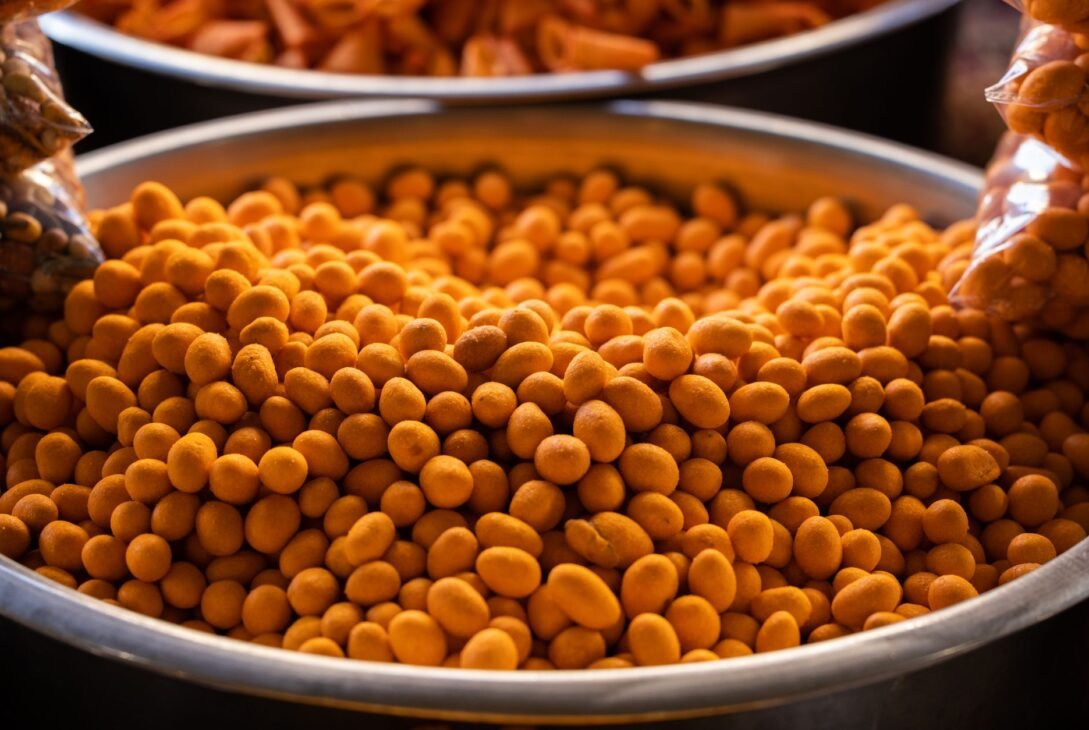
Roasted chickpeas are a nutritious snack, rich in protein, fiber, and antioxidants. They support muscle growth and healthy digestion.
Key Takeaways
- High in protein
- Rich in antioxidants
- Good source of fiber
- Regulates blood sugar
- Supports bone density
Key Statistics
- 15 grams of protein per 1 cup serving
- 30% of daily fiber intake per 1/2 cup
- 2 times more antioxidants than raw chickpeas
- 85% of daily vitamin B6 needs met by 1 cup serving
Roasted chickpeas have become a popular snack in recent years, and for good reason. Not only are they crunchy and flavorful, but they also provide a wealth of nutritional benefits that can enhance overall health and wellbeing. In this article, we will delve into the world of roasted chickpea nutrition benefits, exploring the various advantages of making roasted chickpeas a regular part of your diet.
Introduction to Roasted Chickpeas
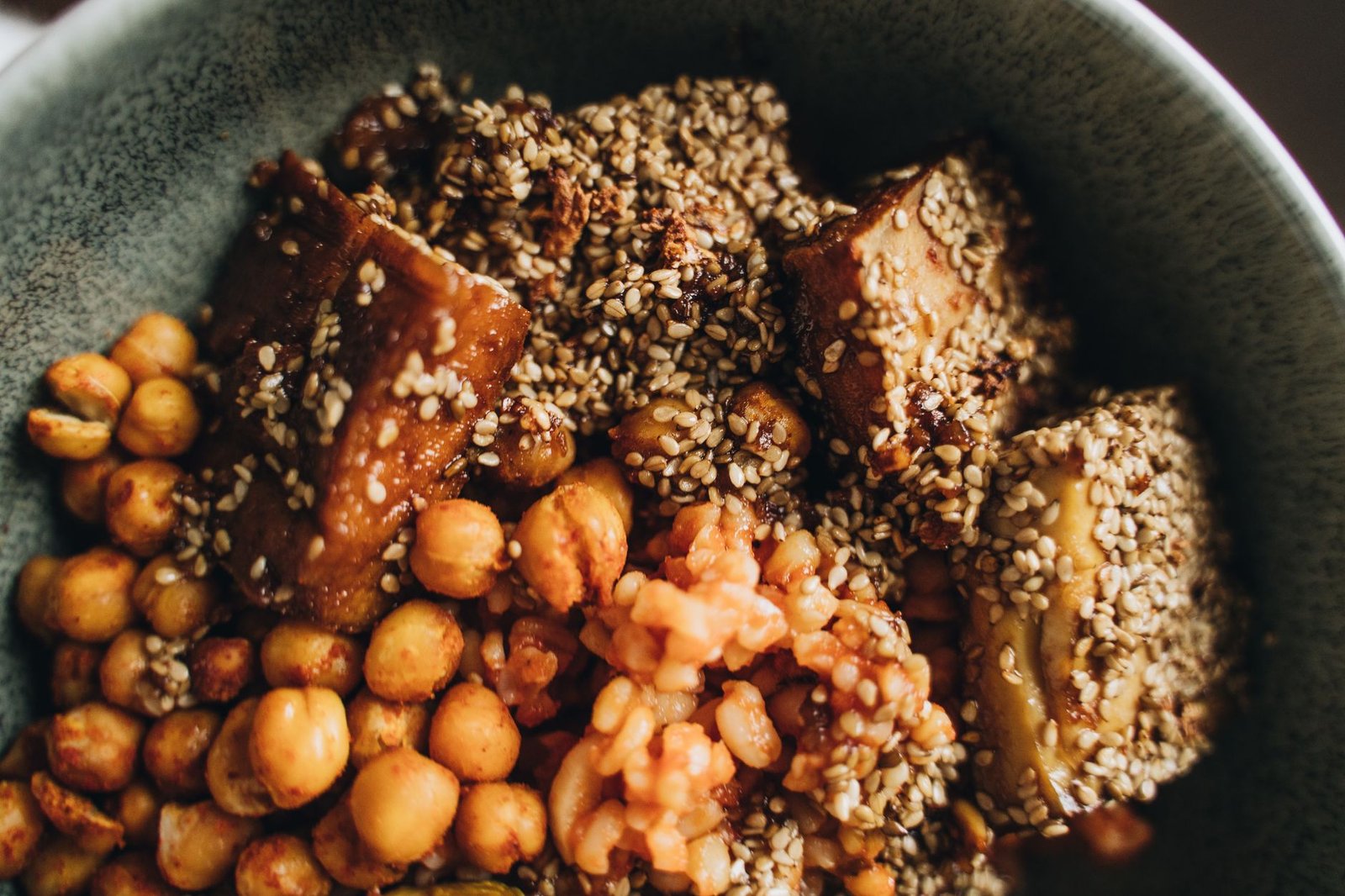
Roasted chickpeas are a nutrient-dense snack that has gained popularity globally due to their unique blend of taste, versatility, and numerous health benefits. The definition of roasted chickpeas is straightforward: they are chickpeas that have been roasted to enhance their texture and flavor. This simple process transforms the humble chickpea into a crispy, flavorful delicacy that can be seasoned in countless ways. The popularity of roasted chickpeas can be attributed to their adaptability in various culinary contexts, making them a favorite among health-conscious individuals and food enthusiasts alike.
Culinary uses of roasted chickpeas are diverse and imaginative. They can be used as a topping for salads, blended into homemade energy bars, or served as a standalone snack. Here are some examples of how roasted chickpeas can elevate dishes:
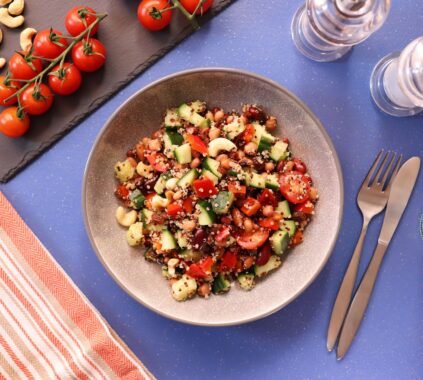
- Salad topping: Adding roasted chickpeas to green salads, quinoa bowls, or pasta salads for a satisfying crunch and a boost of protein.
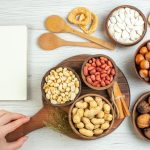
- Homemade trail mix: Mixing roasted chickpeas with nuts, seeds, and dried fruits for a healthy, on-the-go snack.
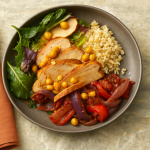
- Vegetarian and vegan dishes: Using roasted chickpeas as a meat substitute in dishes like veggie burgers, stews, and curries.
- Roasted chickpea hummus: Blending roasted chickpeas with tahini, lemon juice, and garlic for a creamy, nutritious dip.
- Breakfast enhancement: Sprinkling roasted chickpeas on oatmeal, yogurt, or avocado toast for added texture and nutrition.
The appeal of roasted chickpeas lies not only in their culinary versatility but also in their potential to provide a range of nutritional benefits, making them an excellent addition to a balanced diet. The process of roasting enhances the availability of certain nutrients and adds a smoky, nutty flavor that many find irresistible. Whether enjoyed on their own or incorporated into complex recipes, roasted chickpeas offer a delicious and nutritious way to enhance mealtime.
Nutritional Profile of Roasted Chickpeas
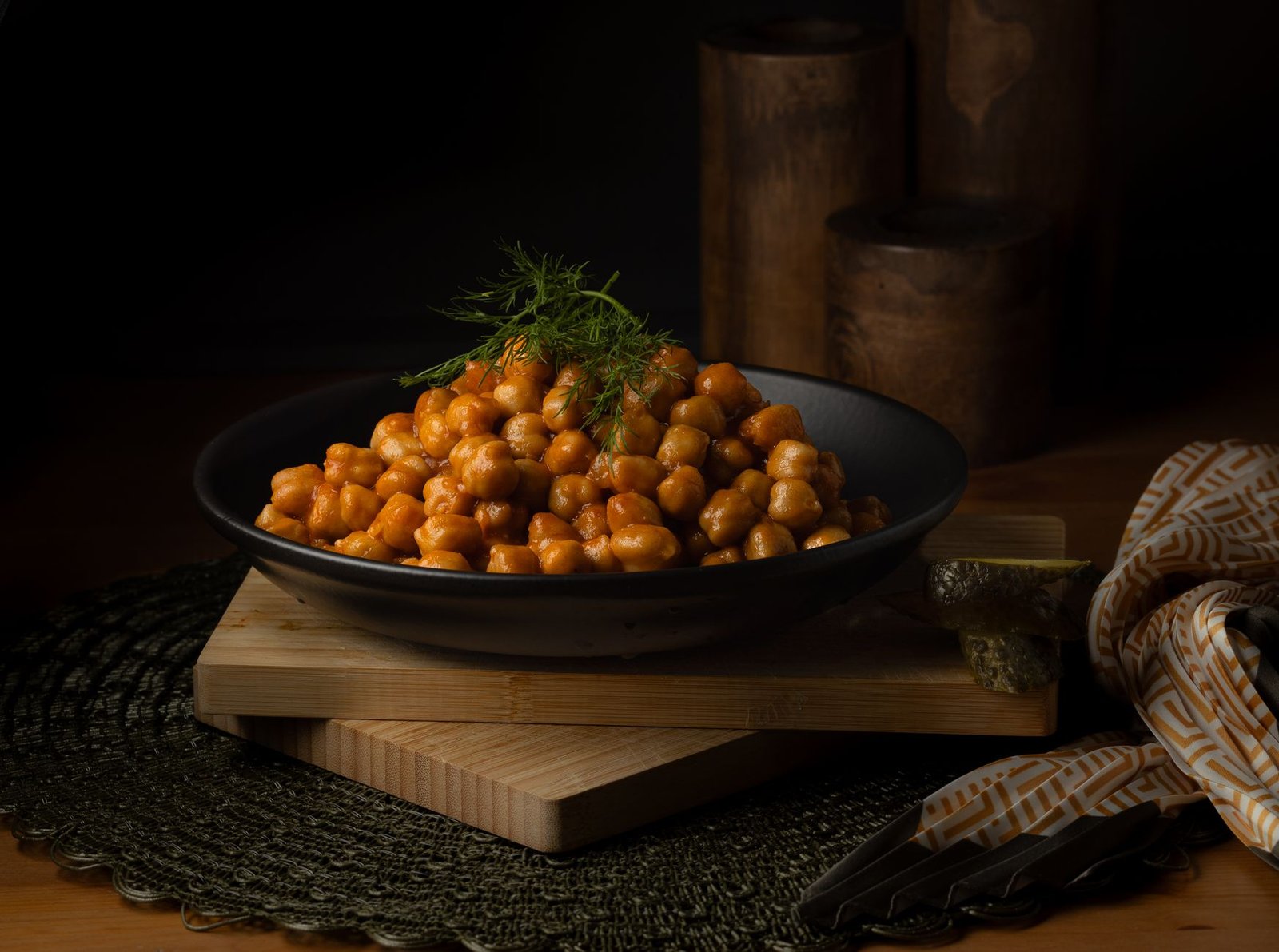
The nutritional profile of roasted chickpeas is quite impressive, making them an excellent snack for individuals seeking a healthy and balanced diet. In terms of macronutrients, roasted chickpeas are a good source of protein, fiber, and complex carbohydrates. They also contain a variety of essential micronutrients, including vitamins and minerals. The caloric content of roasted chickpeas is relatively low, with a single serving size providing approximately 120-150 calories.
Some of the key nutrients found in roasted chickpeas include:
- Potassium: an essential mineral that helps regulate blood pressure and support overall heart health
- Folate: a vital vitamin that plays a crucial role in cell growth and development
- Magnesium: a mineral that supports bone health, energy production, and nerve function
- Iron: an essential mineral that helps transport oxygen throughout the body
- Zinc: a mineral that supports immune function and wound healing
The following table provides a breakdown of the nutritional content of roasted chickpeas per serving size:
| Nutrient | Amount per serving |
|---|---|
| Calories | 120-150 |
| Protein | 5-6 grams |
| Fiber | 5-6 grams |
| Carbohydrates | 20-25 grams |
| Fat | 2-3 grams |
Overall, roasted chickpeas are a nutritious and delicious snack that can be easily incorporated into a healthy diet. With their rich micronutrient profile and low caloric content, they make an excellent choice for individuals looking to support their overall health and wellbeing through a balanced and nutritious diet, which is why Roasted Chickpea is such a great option.
Protein Content and Muscle Health
The protein content in Roasted Chickpea is a significant factor that contributes to its nutritional benefits, particularly when it comes to muscle health. Protein is an essential nutrient that plays a critical role in muscle growth, repair, and maintenance. Adequate protein intake helps to build and repair muscle tissues, making it an essential component of a healthy diet.
Some of the key benefits of protein include:
- Building and repairing muscle tissues
- Producing enzymes and hormones
- Maintaining fluid balance
- Supporting immune function
- Regulating metabolism
According to a leading nutrition expert, ‘incorporating plant-based protein sources like Roasted Chickpea into your diet can help to promote muscle health and support overall well-being, and it’s essential to consume a variety of protein-rich foods to meet your daily protein needs.’
In addition to its protein benefits, Roasted Chickpea is also rich in other essential nutrients like fiber, vitamins, and minerals, making it a nutritious snack that can be easily incorporated into a healthy diet. By understanding the importance of protein in muscle health, individuals can make informed choices about their diet and lifestyle to support their overall health and wellness.
Antioxidant Properties of Roasted Chickpeas
Roasted chickpeas are an excellent source of various antioxidant types, including polyphenols, flavonoids, and saponins. These compounds play a crucial role in reducing oxidative stress and inflammation in the body, thereby providing numerous health benefits. Consuming roasted chickpeas regularly can help protect against chronic diseases, such as heart disease, cancer, and neurodegenerative disorders.
Some of the key health benefits associated with the antioxidant properties of roasted chickpeas include:
- Reducing inflammation and improving cardiovascular health by preventing the oxidation of low-density lipoprotein (LDL) cholesterol
- Protecting against cell damage and cancer development by neutralizing free radicals and promoting apoptosis (cell death) in cancer cells
- Supporting immune function and reducing the severity of infections by enhancing the activity of immune cells, such as natural killer cells and macrophages
- Promoting healthy aging and reducing the risk of age-related diseases, such as Alzheimer’s and Parkinson’s, by reducing oxidative stress and inflammation in the brain
- Improving cognitive function and reducing the risk of neurodegenerative diseases by promoting blood flow and reducing inflammation in the brain
Overall, the antioxidant properties of roasted chickpeas make them a nutritious and healthy snack option, providing a range of health benefits that can be incorporated into a balanced diet. As a rich source of antioxidants, Roasted Chickpea can be a valuable addition to a healthy eating plan, helping to reduce oxidative stress and promote overall well-being.
Fiber Content and Digestive Health
The fiber content in Roasted Chickpea is notably high, providing a substantial amount of dietary fiber that contributes to overall digestive health. A high-fiber diet offers numerous benefits, including promoting regular bowel movements, preventing constipation, and supporting the growth of healthy gut bacteria. The digestive system, comprising the mouth, esophagus, stomach, small intestine, and large intestine, plays a vital role in nutrient absorption and waste elimination. A well-functioning digestive system is essential for maintaining overall health and well-being.
Some of the key benefits of a high-fiber diet include:
- Regulating blood sugar levels and improving insulin sensitivity
- Lowering cholesterol levels and reducing the risk of heart disease
- Supporting healthy weight management by promoting feelings of fullness and reducing hunger
- Aiding in the prevention of certain gastrointestinal disorders, such as diverticulitis and hemorrhoids
- Providing a feeling of satiety and reducing the likelihood of overeating
The following table illustrates the daily recommended intake of fiber and the amount found in a serving of Roasted Chickpea:
| Fiber Type | Recommended Daily Intake | Amount in Roasted Chickpea (1 cup) |
|---|---|---|
| Soluble Fiber | 25-30 grams | 12.5 grams |
| Insoluble Fiber | 25-30 grams | 10.5 grams |
In conclusion, incorporating Roasted Chickpea into a balanced diet can have a significant impact on digestive health, supporting the growth of healthy gut bacteria and promoting regular bowel movements.
Blood Sugar Regulation and Roasted Chickpeas
Consuming roasted chickpeas can have a significant impact on blood sugar regulation due to their low glycemic index. The glycemic index is a measure of how quickly foods raise blood sugar levels, and roasted chickpeas have a glycemic index of around 30, which is relatively low. This means that they can help regulate blood sugar levels and prevent spikes in insulin levels.
Maintaining healthy insulin sensitivity is crucial for overall health, and incorporating roasted chickpeas into one’s diet can be beneficial. Here are some ways roasted chickpeas support blood sugar control:
- Rich in fiber, which slows down the digestion and absorption of sugar
- High in protein, which helps regulate blood sugar levels
- Low in glycemic index, reducing the risk of blood sugar spikes
- Contain antioxidants and other nutrients that support overall health
- Can help reduce inflammation, which is often associated with insulin resistance
According to experts, incorporating roasted chickpeas into one’s diet can be an effective way to support blood sugar regulation. As one expert notes,
roasted chickpeas can be a valuable addition to a healthy diet, providing a feeling of fullness and satisfaction while also supporting healthy blood sugar levels.
By making a few simple changes to one’s diet, such as adding roasted chickpeas as a snack, individuals can take a proactive approach to maintaining healthy blood sugar levels and overall wellness.
Roasted Chickpeas and Bone Health
Raised awareness regarding the importance of maintaining strong bones throughout our lifetimes emphasizes the role diet plays in supporting bone health. One key aspect of this is the mineral content found in certain foods. Roasted Chickpea is rich in minerals such as calcium, magnesium, and phosphorus, all of which are crucial for bone mineralization. Adequate intake of these minerals is associated with better bone density, a critical factor in reducing the risk of fractures and osteoporosis.
Maintaining optimal bone density is vital, especially as we age, since it directly influences our risk of developing conditions like osteoporosis. A diet that includes foods high in the aforementioned minerals can significantly contribute to osteoporosis prevention by ensuring that bones remain as strong as possible. This is particularly important for individuals with a family history of osteoporosis or those who lead lifestyles that may predispose them to bone health issues.
Some of the key ways in which mineral-rich foods like roasted chickpeas can benefit bone health include:
- Enhancing bone mineral density through the provision of essential minerals.
- Supporting the body’s natural bone remodeling process.
- Aiding in the prevention of osteoporosis by ensuring bones maintain their strength and resilience.
- Providing a nutrient-rich snack option that supports overall health and wellness.
- Offering a versatile ingredient that can be easily incorporated into a variety of meals and snacks.
To further illustrate the nutritional benefits of roasted chickpeas in relation to bone health, consider the following comparison:
| Mineral | Recommended Daily Intake | Amount in 1 Cup of Roasted Chickpeas |
|---|---|---|
| Calcium | 1,000 mg | 170 mg |
| Magnesium | 400 mg | 115 mg |
| Phosphorus | 1,000 mg | 240 mg |
As the data shows, incorporating roasted chickpeas into one’s diet can be a valuable strategy for supporting bone health and minimizing the risk of osteoporosis and other bone-related conditions.
Incorporating Roasted Chickpeas into Your Diet

Incorporating Roasted Chickpea into your diet can be incredibly easy and delicious, with a multitude of options to suit every taste and preference. One of the simplest ways to enjoy the nutritional benefits of roasted chickpeas is by using them as a healthy snacking option. By seasoning them with herbs and spices, you can create a tasty and satisfying snack that is both low in calories and rich in nutrients.
For those looking to get creative in the kitchen, roasted chickpeas can be a versatile ingredient in a wide range of recipes. From salads and stir-fries to soups and stews, they can add a satisfying crunch and a boost of nutrition. When it comes to meal planning, considering the nutritional benefits of roasted chickpeas can help inform your decisions and ensure you are getting a balanced diet. Some ideas for incorporating roasted chickpeas into your meal plan include:
- Adding them to your favorite salad recipe for a protein and fiber boost
- Using them as a topping for soups or stews for added texture and nutrition
- Mixing them into your favorite trail mix for a healthy and convenient snack
- Incorporating them into your breakfast routine, such as adding them to omelets or breakfast burritos
- Using them as a crunchy coating for chicken or fish before baking
By incorporating roasted chickpeas into your diet, you can reap the numerous nutritional benefits they have to offer, from high levels of protein and fiber to a range of essential vitamins and minerals. Whether you enjoy them as a snack, use them in recipes, or incorporate them into your meal planning, roasted chickpeas are a simple and delicious way to boost your overall health and wellbeing.
Potential Drawbacks and Allergens
While incorporating Roasted Chickpea into your diet can have numerous health benefits, it’s essential to acknowledge the potential drawbacks and allergens associated with its consumption. One of the primary concerns is the presence of common allergens, which can cause adverse reactions in some individuals. These allergens can include legume allergies, soy allergies, or gluten intolerance, depending on the ingredients used during the roasting process.
Digestive issues are another concern, as some people may experience bloating, gas, or stomach discomfort after consuming roasted chickpeas. This can be attributed to the high fiber and protein content, which can be challenging for some digestive systems to process. To mitigate these effects, it’s crucial to practice moderation and gradually introduce roasted chickpeas into your diet.
Some key considerations when consuming roasted chickpeas include:
- Start with small servings to assess tolerance
- Choose plain, unflavored varieties to minimize allergen exposure
- Pair roasted chickpeas with easily digestible foods to reduce discomfort
- Stay hydrated to help fiber move through the digestive system
- Consult a healthcare professional if severe digestive issues persist
According to expert nutritionists,
it’s vital to listen to your body and adjust your roasted chickpea intake based on how you feel. If you experience persistent discomfort or allergic reactions, consider alternative snack options or consult a healthcare professional for personalized guidance.
Conclusion and Future Directions
In conclusion, the nutritional benefits of roasted chickpeas are multifaceted and can have a significant impact on overall health and wellbeing. A summary of the key findings reveals that roasted chickpeas are rich in protein, fiber, and various essential micronutrients, making them an excellent addition to a balanced diet. As research continues to unravel the complexities of nutritional science, future studies should focus on the specific health implications of incorporating roasted chickpeas into one’s daily meals. Some potential avenues for exploration include:
- Investigating the effects of roasted chickpea consumption on blood sugar levels and insulin sensitivity
- Examining the role of roasted chickpeas in supporting healthy gut bacteria and immune function
- Developing new recipes and products that feature roasted chickpeas as a main ingredient
- Conducting large-scale clinical trials to confirm the health benefits of roasted chickpea consumption
- Comparing the nutritional profiles of roasted chickpeas to other popular legumes and snack foods
By pursuing these lines of inquiry, researchers and healthcare professionals can gain a deeper understanding of the health implications of Roasted Chickpea consumption and provide evidence-based guidance to individuals seeking to improve their diets. Ultimately, the future of nutrition research holds much promise for uncovering the full potential of roasted chickpeas and other nutrient-dense foods to promote optimal health and wellbeing.
Are roasted chickpeas suitable for individuals with gluten intolerance?
Yes, roasted chickpeas are naturally gluten-free and can be a great snack option for individuals with gluten intolerance or sensitivity.
Can roasted chickpeas help with weight loss?
Roasted chickpeas are low in calories and high in fiber and protein, making them a satiating snack that can help support weight loss efforts.
How often can I eat roasted chickpeas?
Roasted chickpeas can be eaten as a daily snack, but it is recommended to consume them in moderation as part of a balanced diet.
Final Thoughts
In conclusion, roasted chickpeas offer a wealth of nutritional benefits that can enhance overall health and wellbeing. From their high protein content to their rich antioxidant levels, roasted chickpeas are a healthy and delicious snack that can be incorporated into a variety of diets.
{“@context”:”https://schema.org”,”@type”:”FAQPage”,”mainEntity”:[{“@type”:”Question”,”name”:”Are roasted chickpeas suitable for individuals with gluten intolerance?”,”acceptedAnswer”:{“@type”:”Answer”,”text”:”Yes, roasted chickpeas are naturally gluten-free and can be a great snack option for individuals with gluten intolerance or sensitivity.”}},{“@type”:”Question”,”name”:”Can roasted chickpeas help with weight loss?”,”acceptedAnswer”:{“@type”:”Answer”,”text”:”Roasted chickpeas are low in calories and high in fiber and protein, making them a satiating snack that can help support weight loss efforts.”}},{“@type”:”Question”,”name”:”How often can I eat roasted chickpeas?”,”acceptedAnswer”:{“@type”:”Answer”,”text”:”Roasted chickpeas can be eaten as a daily snack, but it is recommended to consume them in moderation as part of a balanced diet.”}}]}
{“@context”:”https://schema.org”,”@type”:”Article”,”headline”:”Roasted Chickpea Nutrition Benefits”,”mainEntityOfPage”:”https://healthbye.com/roasted-chickpea-nutrition-benefits/”,”datePublished”:”2026-06-26T10:04:03+00:00″,”dateModified”:”2026-06-26T10:04:03+00:00″,”author”:{“@type”:”Person”,”name”:”healthbye”},”publisher”:{“@type”:”Organization”,”name”:”healthbye”},”image”:”https://healthbye.com/wp-content/uploads/2026/06/vidhaata-bLxj7eh6.jpg”}
Frequently Asked Questions
What are roasted chickpeas?
Chickpeas roasted for texture and flavor
Why are roasted chickpeas healthy?
Rich in protein, fiber, and antioxidants
Can roasted chickpeas help with digestion?
Yes, they are a good fiber source
Are roasted chickpeas a good snack?
Yes, they are nutritious and versatile