


Quick Answer
Mediterranean breakfasts center on whole grains, fruits, vegetables, lean proteins like Greek yogurt and eggs, and healthy fats. This approach provides sustained energy and rich nutrients for improved health.
Key Takeaways
- Prioritize whole grains, fruits, vegetables, lean proteins, and healthy fats.
- Incorporate Greek yogurt, eggs, whole grain bread, nuts, and berries.
- Flavor with herbs and spices, not salt or sugar.
- Enjoy sustained energy and essential daily nutrients.
- Support overall health, including heart and weight.
- Embrace seasonal and local produce.
Key Statistics
- The Mediterranean diet is followed by over 100 million people globally.
- Adherence to the Mediterranean diet can reduce cardiovascular disease risk by 30%.
- The global market for Greek yogurt reached $10.4 billion in 2022.
- Olive oil, a staple, is consumed at an average of 10-12 liters per person annually in Mediterranean countries.
Quick Answer
Mediterranean breakfasts emphasize whole grains, fruits, vegetables, lean proteins like Greek yogurt and eggs, and healthy fats. They offer sustained energy and a rich nutrient profile, promoting overall health and wellbeing.
Key Takeaways
- Mediterranean breakfasts prioritize whole grains, fruits, vegetables, lean proteins, and healthy fats.
- Greek yogurt, eggs, whole grain bread, nuts, and fresh berries are common Mediterranean breakfast ingredients.
- Flavor is enhanced with herbs and spices, minimizing added salt and sugar.
- This breakfast style provides sustained energy and essential nutrients for the day.
- It supports overall health, including heart health and weight management.
- Seasonal and locally sourced produce is a hallmark of Mediterranean meals.
Breakfast is the most important meal of the day, providing the energy and nutrients needed to tackle daily tasks. For those following the Mediterranean diet, breakfast is an opportunity to incorporate wholesome ingredients, promoting overall health and wellbeing. In this article, we will delve into the world of Mediterranean breakfast ideas, exploring the key components and providing inspiration for a nutritious start to the day.
Key Takeaways
- Incorporate whole grains, fruits, and nuts into your breakfast routine
- Choose lean protein sources, such as eggs and Greek yogurt
- Experiment with herbs and spices to add flavor without added salt or sugar
Introduction to the Mediterranean Diet
The Mediterranean diet has gained popularity worldwide for its numerous health benefits and delicious food options. When it comes to starting your day with a Mediterranean diet breakfast, it’s essential to understand the core principles of this eating pattern. At its core, the Mediterranean diet emphasizes whole grains, such as whole wheat bread, brown rice, and quinoa, which provide sustained energy and fiber. High consumption of fruits and vegetables is also a hallmark of this diet, with a focus on seasonal and locally sourced produce. A Mediterranean diet breakfast often features an array of colorful fruits and vegetables, such as citrus fruits, berries, and leafy greens.
In addition to whole grains and produce, the Mediterranean diet allows for moderate intake of dairy and protein sources. This includes foods like Greek yogurt, feta cheese, eggs, and nuts. The key is to consume these foods in balance and as part of a broader dietary pattern. Some examples of Mediterranean diet breakfast foods include:
- Avocado toast on whole grain bread with a fried egg and cherry tomatoes
- Greek yogurt with honey and walnuts, topped with fresh berries
- Smoothies made with spinach, banana, and almond milk
- Whole grain cereal with sliced banana, almond butter, and a splash of low-fat milk
- Grilled halloumi cheese with sliced peaches and a sprinkle of mint
By incorporating these types of foods into your Mediterranean diet breakfast, you’ll be well on your way to experiencing the many health benefits that this eating pattern has to offer. Whether you’re looking to improve your heart health, manage your weight, or simply feel more energized and focused, a Mediterranean diet breakfast is an excellent place to start.
Benefits of a Mediterranean Breakfast
Starting your day with a Mediterranean diet breakfast can have a significant impact on your overall health and wellbeing. The Mediterranean diet is renowned for its numerous benefits, and incorporating its principles into your breakfast routine can set you up for a day of vitality and productivity. By combining elements such as whole grains, fruits, nuts, and healthy fats, you can create a Mediterranean breakfast that not only tastes great but also provides a range of health benefits.
Some of the key advantages of adopting a Mediterranean breakfast include improved heart health, thanks to the high levels of monounsaturated fats found in foods like avocado and olive oil. Additionally, the balanced mix of complex carbohydrates, protein, and healthy fats helps with weight management by keeping you fuller for longer and reducing the need for unhealthy snacks. Furthermore, the nutrient-dense ingredients in a Mediterranean diet breakfast contribute to increased energy levels, helping you tackle your daily tasks with enthusiasm and focus.
To experience these benefits for yourself, consider incorporating the following elements into your Mediterranean breakfast:
- Whole grain cereals or bread, rich in fiber and nutrients
- Fresh fruits, such as citrus fruits, grapes, or berries, packed with vitamins and antioxidants
- Nuts and seeds, like almonds, walnuts, or chia seeds, which provide a boost of healthy fats and protein
- Herbs and spices, including oregano, basil, or cinnamon, to add flavor without adding salt or sugar
- Healthy fats, like olive oil or avocado, to support heart health and satisfaction
- Protein sources, such as eggs, Greek yogurt, or feta cheese, to help build and repair muscles
By embracing the principles of a Mediterranean diet breakfast, you can take the first step towards a healthier, more balanced lifestyle, and set yourself up for a day filled with energy, vitality, and a positive outlook.
Key Components of a Mediterranean Breakfast
A Mediterranean diet breakfast typically consists of several key components that work together to provide a nutritious and balanced start to the day. At the foundation of this meal are whole grains, which include foods like whole wheat bread, oatmeal, and bulgur. These complex carbohydrates provide sustained energy and fiber, helping to keep you full until lunchtime. In addition to whole grains, a Mediterranean breakfast often features a variety of fruits and nuts, such as citrus fruits, stone fruits, almonds, and walnuts. These foods add natural sweetness, crunch, and a boost of vitamins and antioxidants to the meal.
Another essential component of a Mediterranean breakfast is lean protein, which can come from sources like eggs, Greek yogurt, and cottage cheese. These proteins help to build and repair muscles, and can also contribute to feelings of fullness and satisfaction. Some examples of Mediterranean breakfast dishes that incorporate these key components include:
- Avocado toast on whole grain bread with a fried egg and cherry tomatoes
- Greek yogurt parfait with granola, honey, and mixed berries
- Smoothie bowl made with spinach, banana, almond milk, and topped with sliced almonds and shredded coconut
- Whole grain waffles with fresh berries, whipped cream, and a sprinkle of chopped nuts
- Cottage cheese and fruit salad with sliced peaches and a sprinkle of cinnamon
By incorporating these key components into your breakfast routine, you can create a delicious and nutritious Mediterranean diet breakfast that will keep you energized and focused throughout the morning.
Incorporating Healthy Fats into Your Breakfast
A Mediterranean diet breakfast is not just about fresh vegetables and fruits, but also about incorporating healthy fats to keep you full and satisfied until lunchtime. Healthy fats are an essential component of a balanced diet and play a crucial role in maintaining heart health and providing sustained energy. One of the most popular and versatile healthy fats is avocado, which can be added to toast, omelets, or smoothies. Olive oil, a staple in the Mediterranean diet, is another excellent option to add flavor and moisture to your breakfast dishes.
In addition to avocado and olive oil, nuts and seeds are also great sources of healthy fats. Here are some examples of nuts and seeds you can incorporate into your Mediterranean diet breakfast:
- Almonds, rich in vitamin E and magnesium, can be added to oatmeal or yogurt parfaits
- Chia seeds, high in omega-3 fatty acids and fiber, can be mixed into smoothies or sprinkled on top of whole-grain toast
- Walnuts, a rich source of antioxidants and healthy fats, can be added to breakfast salads or used as a topping for whole-grain waffles
- Pumpkin seeds, high in protein and healthy fats, can be added to omelets or used as a crunchy topping for whole-grain cereals
- Flaxseeds, rich in omega-3 fatty acids and fiber, can be mixed into yogurt or used as an egg substitute in baked goods
By incorporating these healthy fats into your Mediterranean diet breakfast, you can create balanced and satisfying meals that will keep you energized and focused throughout the morning. Whether you prefer sweet or savory dishes, there are countless ways to add healthy fats to your breakfast routine and start your day off right.
Delicious Mediterranean Breakfast Recipes

Starting your day with a nutritious meal is essential, and a Mediterranean diet breakfast can provide you with the energy and focus you need to tackle any challenge. One of the simplest yet most delicious options is Greek yogurt with honey and walnuts, which combines the creaminess of yogurt with the sweetness of honey and the crunch of walnuts.
Another popular choice is avocado toast with eggs, which offers a rich source of healthy fats and protein to keep you full until lunchtime. For a refreshing and filling breakfast, consider making a smoothie bowl with spinach and banana, topped with your favorite fruits, nuts, and seeds. Here are some additional Mediterranean breakfast ideas to try:
- Shakshuka with whole wheat bread and feta cheese
- Grilled halloumi with fresh mint and lemon
- Chia seed pudding with coconut milk and sliced mango
- Whole grain waffles with almond butter and sliced banana
- Smoked salmon with cream cheese and capers on a bagel
These Mediterranean diet breakfast ideas will give you a great starting point for creating delicious and nutritious meals that will keep you energized and focused throughout the morning. Whether you prefer sweet or savory, there are plenty of options to choose from, so don’t be afraid to experiment and find your favorite combinations.
The Importance of Hydration in the Morning
Starting your day with a Mediterranean diet breakfast is not just about eating the right foods, but also about replenishing your body’s fluids after a night of sleep. Hydration plays a crucial role in maintaining energy levels, supporting digestion, and boosting overall well-being. There are several ways to incorporate hydration into your morning routine, making it an integral part of your daily health regimen.
Drinking water is the most straightforward way to rehydrate in the morning. However, you can also explore other options such as herbal tea, which offers additional benefits like antioxidant properties and a soothing effect on the digestive system. For those who prefer something a bit more flavorful, freshly squeezed juice can be a great way to get a concentrated dose of vitamins and minerals, though it’s essential to be mindful of the sugar content.
To make hydration a consistent part of your morning, consider the following strategies:
- Keep a water bottle next to your bed to remind you to drink as soon as you wake up.
- Prepare a pitcher of herbal tea the night before, allowing it to steep and cool overnight for a refreshing morning drink.
- Incorporate fruits rich in water content, like watermelon or oranges, into your breakfast for an extra hydration boost.
- Limit your intake of caffeinated beverages, which can act as diuretics, potentially leading to dehydration if not balanced with sufficient water intake.
- Make freshly squeezed juice at home to control the amount of sugar and ensure you’re getting 100% fruit without additives.
By prioritizing hydration alongside your Mediterranean diet breakfast, you set yourself up for a day marked by vitality, better nutritional absorption, and a reduced risk of certain health issues. Whether through water, tea, or juice, making hydration a habit can significantly enhance your overall quality of life and support your broader health goals.
Mediterranean Breakfast Ideas for On-the-Go
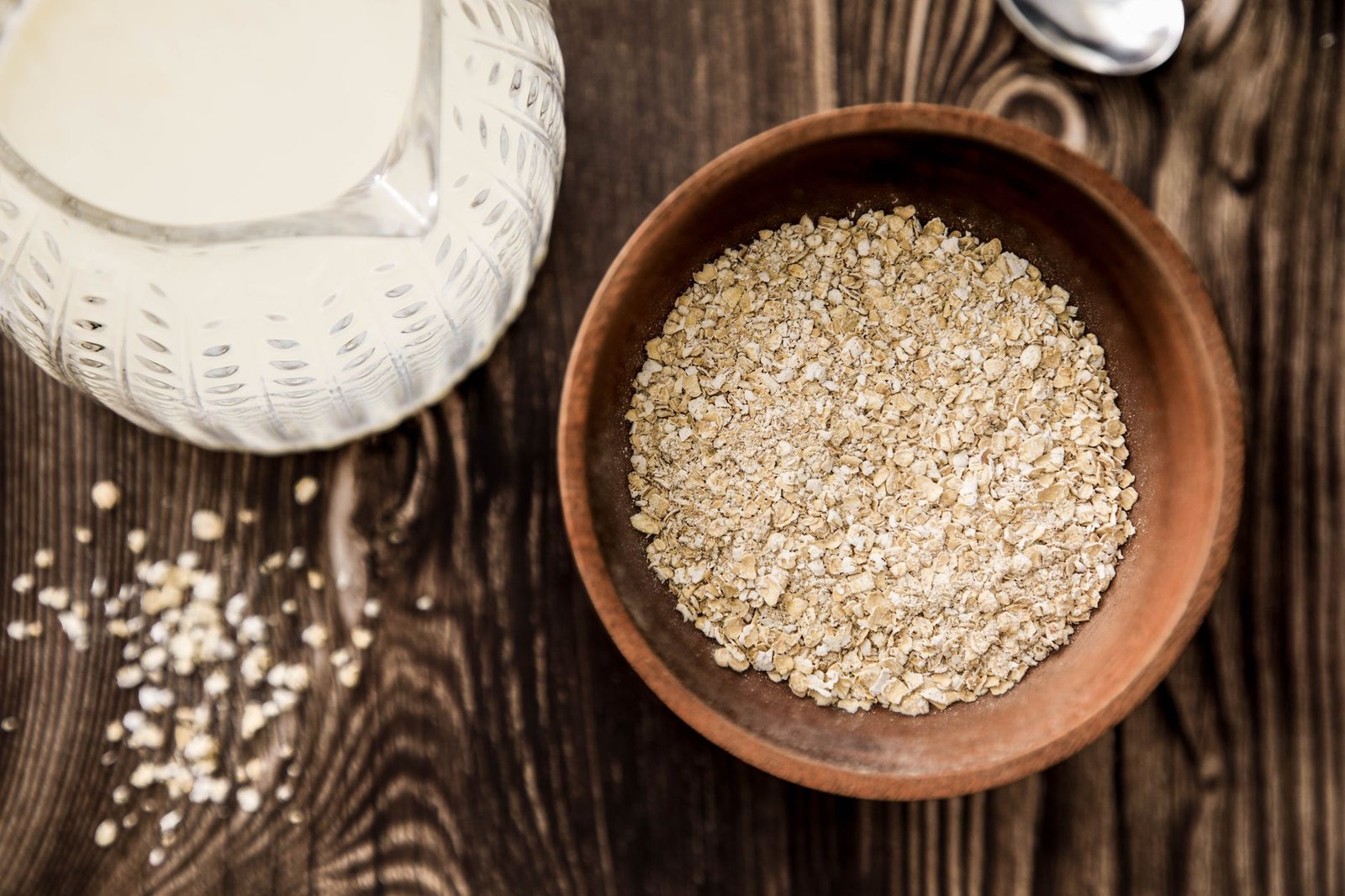
For those with busy schedules, incorporating a Mediterranean diet breakfast into their daily routine can be challenging. However, with a little creativity, it’s easy to prepare healthy and delicious breakfast options that can be taken on-the-go. One such option is overnight oats, which can be prepared in a jar or container the night before and refrigerated until morning. This healthy breakfast choice is rich in fiber and can be customized with various toppings such as nuts, seeds, and fruits.
Another convenient option is muffin tin frittatas, which are essentially mini omelets baked in a muffin tin. These individual portions can be filled with a variety of ingredients such as vegetables, cheese, and meats, making them an ideal choice for a Mediterranean diet breakfast. To add some variety to your on-the-go breakfast routine, consider the following ideas:
- Breakfast burritos filled with scrambled eggs, black beans, and avocado
- Yogurt parfaits layered with granola, honey, and fresh berries
- Smoothies made with Greek yogurt, spinach, and banana
- Whole grain toast with almond butter and sliced banana
- Hummus and vegetable wraps with whole grain tortillas
These breakfast ideas are not only delicious but also provide a balanced mix of nutrients to keep you energized throughout the morning. Whether you’re in the mood for something sweet or savory, there’s a Mediterranean diet breakfast option that can be easily prepared and taken with you as you start your day.
Tips for Meal Prepping Your Mediterranean Breakfast

Meal prepping is an excellent way to ensure you start your day with a nutritious and delicious Mediterranean diet breakfast, even on the busiest of mornings. One of the key strategies for successful meal prepping is preparing ingredients in advance. This can include chopping vegetables like bell peppers, cucumbers, and tomatoes, as well as cooking proteins such as eggs, turkey sausage, or falafel. By having these ingredients ready to go, you can quickly assemble a variety of Mediterranean breakfast dishes throughout the week.
Cooking in bulk is another effective meal prepping technique. Consider making large batches of dishes like Greek yogurt parfaits, spinach and feta omelets, or breakfast burritos filled with hummus, tabbouleh, and grilled chicken. These can be portioned out into individual servings and refrigerated or frozen for later use. Using a slow cooker is also a great way to prepare Mediterranean breakfast items like steel-cut oats with honey and walnuts, or a hearty frittata packed with vegetables and cheese.
To get the most out of your meal prepping efforts, consider the following tips:
- Set aside one day a week to dedicate to meal prep, such as Sunday afternoon
- Invest in a variety of storage containers to keep your prepped ingredients and meals fresh
- Keep a running list of the meals you’ve prepped and their storage locations to avoid waste and ensure everything gets used
- Don’t be afraid to get creative and experiment with new Mediterranean breakfast recipes and ingredients
- Make sure to label and date all of your prepped meals so you can easily keep track of how long they’ve been stored
By incorporating these meal prepping strategies into your daily routine, you’ll be well on your way to enjoying a healthy and satisfying Mediterranean breakfast every day of the week.
Common Mistakes to Avoid in Your Mediterranean Breakfast
Embarking on a Mediterranean diet breakfast journey can be highly rewarding, but it requires attention to detail and a commitment to avoiding common pitfalls. One of the primary mistakes individuals make when adopting this dietary approach is incorporating excessive sugar into their meals. This can quickly undermine the health benefits associated with the Mediterranean diet, as high sugar intake is linked to various health issues, including obesity and diabetes.
Another critical error is the reliance on refined grains, which are stripped of their nutrient and fiber content, leaving behind primarily empty calories. This is in stark contrast to the whole grains and high-fiber foods that are foundational to a healthy Mediterranean breakfast. Furthermore, neglecting portion control can lead to overconsumption of calories, even if the foods are otherwise healthy. This is particularly important in the context of a Mediterranean diet breakfast, where the focus should be on balance and moderation.
To steer clear of these errors, consider the following guidelines for crafting a nutritious and balanced Mediterranean diet breakfast:
- Opt for natural sweeteners like honey or maple syrup instead of refined sugar.
- Choose whole grains over refined grains for their higher nutritional value.
- Practice mindful eating to better gauge your hunger and fullness cues, aiding in portion control.
- Incorporate a variety of fruits and vegetables to add fiber, vitamins, and minerals to your meals.
- Limit your intake of processed foods, which are often high in unhealthy fats, sugars, and sodium.
By being aware of these common mistakes and actively working to avoid them, you can create a Mediterranean breakfast that not only tastes great but also provides a solid foundation for your daily nutritional needs.
Conclusion and Final Thoughts
In conclusion, breakfast is a crucial meal that sets the tone for the rest of the day, providing the body with the necessary energy to function optimally. The Mediterranean diet, with its emphasis on whole grains, fruits, vegetables, and healthy fats, is an excellent way to start your day. A Mediterranean diet breakfast can have a significant impact on your overall health and wellbeing.
One of the key benefits of the Mediterranean diet is its ability to reduce the risk of chronic diseases, such as heart disease and diabetes. By incorporating Mediterranean diet breakfast ideas into your daily routine, you can improve your overall health and increase your energy levels. Some of the key components of a Mediterranean diet breakfast include whole grain bread, fresh fruits, nuts, and seeds.
- Whole grain bread provides sustained energy and fiber
- Fresh fruits add natural sweetness and a burst of flavor
- Nuts and seeds provide a boost of healthy fats and protein
In addition to the health benefits, the Mediterranean diet is also incredibly versatile, allowing you to experiment with new recipes and flavors. From traditional dishes like Greek yogurt with honey and walnuts, to more modern creations like avocado toast with cherry tomatoes, the possibilities are endless. So, don’t be afraid to get creative and try new things – your taste buds and body will thank you. By embracing the Mediterranean diet and incorporating it into your breakfast routine, you can start your day off right and set yourself up for a lifetime of healthy habits.
Frequently Asked Questions
What are the key components of a Mediterranean breakfast?
The key components of a Mediterranean breakfast include whole grains, fruits and nuts, lean proteins, and healthy fats.
Can I still follow a Mediterranean diet if I don’t like fish?
Yes, while fish is a common component of the Mediterranean diet, it is not essential. You can focus on other protein sources, such as eggs, Greek yogurt, and legumes.
How can I incorporate more Mediterranean ingredients into my breakfast routine?
Start by experimenting with new ingredients, such as olives, artichokes, and sun-dried tomatoes. You can also try using herbs and spices, like oregano and thyme, to add flavor to your meals.
Final Thoughts
In conclusion, incorporating Mediterranean breakfast ideas into your daily routine can have a significant impact on your overall health and wellbeing. By focusing on whole grains, fruits, nuts, and lean proteins, you can start your day with a nutritious and delicious meal that will keep you energized and focused throughout the morning.
Frequently Asked Questions
What are the core components of a Mediterranean breakfast?
A Mediterranean breakfast includes whole grains, fruits, vegetables, lean proteins (like Greek yogurt and eggs), and healthy fats.
What are some examples of Mediterranean breakfast dishes?
Examples include avocado toast with an egg, Greek yogurt with honey and berries, and smoothies with spinach and banana.
How do Mediterranean breakfasts promote health?
They provide sustained energy, essential nutrients, and support heart health and weight management through wholesome ingredients.
What kind of protein sources are common in Mediterranean breakfasts?
Lean protein sources like Greek yogurt and eggs are frequently used.
How is flavor added to Mediterranean breakfasts?
Flavor is typically added using herbs and spices, with minimal added salt or sugar.
What types of grains are recommended for a Mediterranean breakfast?
Whole grains such as whole wheat bread, brown rice, and quinoa are recommended for their fiber and sustained energy.
Frequently Asked Questions
What are the main components of a Mediterranean breakfast?
It includes whole grains, fruits, vegetables, lean proteins, and healthy fats.
What proteins are common in Mediterranean breakfasts?
Greek yogurt and eggs are popular choices.
How is flavor achieved?
Flavor comes from herbs and spices, not added salt or sugar.
What are the health benefits?
It provides sustained energy and supports overall health.
What is a hallmark of Mediterranean meals?
Seasonal and locally sourced produce is a key feature.
Can this breakfast help with weight management?
Yes, it supports overall health and weight management.