

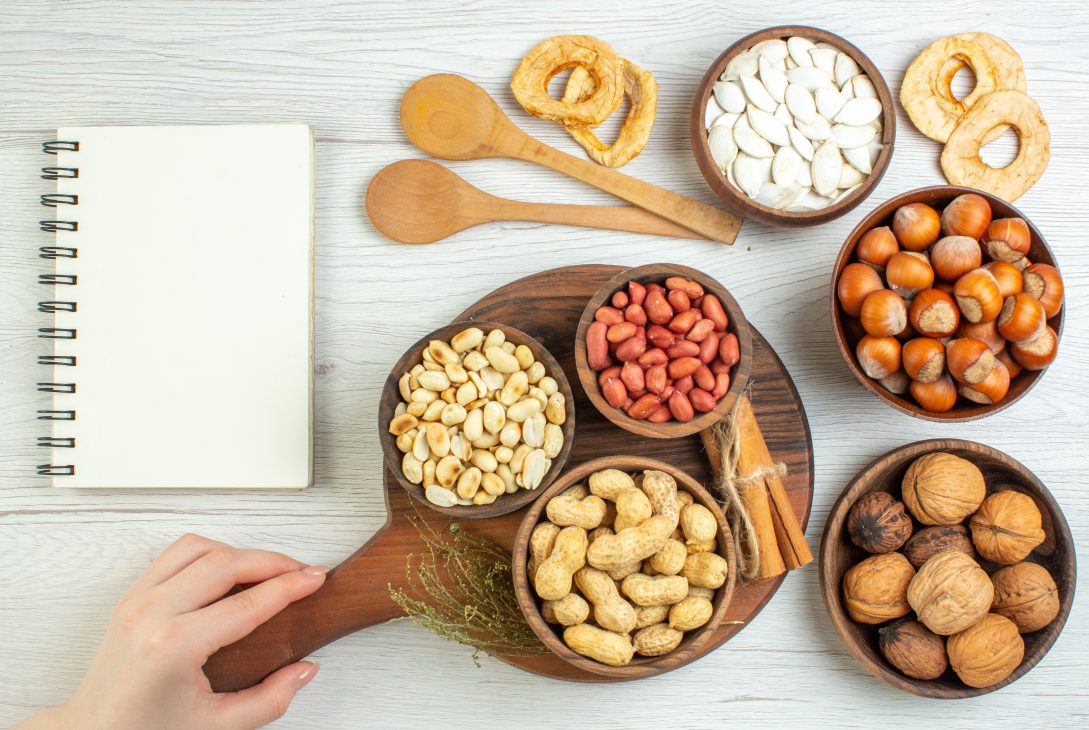
Cravings and weight management are two of the most common challenges people face when trying to improve their diet and overall health. Many individuals associate weight control with restriction, deprivation, and constant hunger, which often leads to frustration and relapse into old habits. In recent years, however, nutritional science has shifted toward a more balanced and sustainable approach—one that focuses on food quality, satiety, and long-term habits rather than strict calorie cutting. Within this context, nuts have gained attention as a potentially powerful food for managing cravings and supporting healthy weight control.
At first glance, nuts may seem like an unlikely ally in weight management. They are energy-dense, high in fat, and often labeled as “fattening.” Yet, research and real-world dietary patterns suggest a more nuanced story. Nuts are rich in healthy fats, protein, fiber, and a wide range of micronutrients that influence hunger, fullness, metabolism, and even food satisfaction. This article explores whether eating nuts can truly help curb cravings and manage weight, examining the science, mechanisms, and practical ways to include them in a balanced diet.

Find discreet and professional companionship services focused on privacy and comfort, offering trusted options tailored to individual needs. With services centered around a Call Girl in Madhapur, you can also explore reliable and confidential choices for a Call Girl in Bheemili within the same seamless experience.

Understanding Cravings and Weight Management
What Are Food Cravings?
Food cravings are intense desires for specific foods, often high in sugar, salt, or fat. Unlike hunger, which is a physiological need for energy, cravings are frequently driven by psychological, emotional, or hormonal factors. Stress, lack of sleep, nutrient deficiencies, and restrictive dieting can all increase the likelihood of cravings.
Cravings are not inherently bad, but when they become frequent and uncontrollable, they can interfere with healthy eating goals. Many people experience cycles of restriction followed by bingeing, which can lead to weight gain and a strained relationship with food. Understanding how certain foods influence cravings is a key step toward sustainable weight management.
Why Weight Management Is About More Than Calories
Traditional weight loss advice often centers on calorie counting. While energy balance does matter, this approach overlooks how different foods affect hunger hormones, blood sugar, satiety, and adherence. Two diets with the same calorie content can produce very different results depending on food quality.
Foods that promote fullness, stabilize blood sugar, and provide essential nutrients tend to support better long-term outcomes. Nuts fall into this category, despite their relatively high calorie content, because they influence multiple physiological systems involved in appetite regulation.
Nutritional Profile of Nuts
Healthy Fats and Their Role in Satiety
Nuts are rich in unsaturated fats, including monounsaturated and polyunsaturated fatty acids. These fats slow digestion, helping food stay in the stomach longer and promoting a feeling of fullness. Unlike refined carbohydrates, which can cause rapid spikes and crashes in blood sugar, healthy fats provide a steady source of energy.
Fats also play a role in the release of satiety hormones such as cholecystokinin (CCK) and peptide YY (PYY), which signal the brain that enough food has been consumed. This hormonal response can reduce the urge to snack frequently or overeat later in the day.
Protein Content and Appetite Control
Although nuts are not as protein-rich as animal products or legumes, they still provide a meaningful amount of plant-based protein. Protein is well known for its ability to reduce hunger and increase feelings of fullness. It also requires more energy to digest compared to carbohydrates and fats, contributing to a slightly higher metabolic effect.
When combined with healthy fats and fiber, the protein in nuts becomes part of a powerful trio that supports appetite control. This combination helps explain why a small portion of nuts can be more satisfying than larger portions of refined snacks.
Fiber and Digestive Health
Fiber is another key component of nuts that supports weight management. Fiber slows digestion, stabilizes blood sugar, and feeds beneficial gut bacteria. A healthy gut microbiome has been linked to better appetite regulation, reduced inflammation, and improved metabolic health.
Soluble fiber, found in many nuts, forms a gel-like substance in the digestive tract that delays stomach emptying. Insoluble fiber adds bulk, promoting regular digestion and preventing rapid absorption of sugars. Together, these effects can help curb cravings and reduce the likelihood of overeating.
How Nuts Influence Cravings
Blood Sugar Stability
One of the main drivers of cravings is fluctuating blood sugar levels. When blood sugar drops too low, the body signals a need for quick energy, often in the form of sugary or refined foods. Nuts help prevent these fluctuations by slowing carbohydrate absorption and providing a steady release of energy.
Eating nuts alongside carbohydrates can reduce the glycemic impact of a meal. For example, adding almonds to oatmeal or walnuts to a salad with fruit can help maintain more stable blood sugar levels, reducing the likelihood of cravings later on.
Sensory Satisfaction and Mindful Eating
Cravings are not purely physiological; they are also sensory and emotional. The crunch, richness, and flavor complexity of nuts can provide a sense of satisfaction that processed snacks often fail to deliver. This sensory satisfaction can make meals feel more complete, reducing the desire to seek out additional foods.
Nuts also encourage slower eating. Their texture requires more chewing, which gives the brain time to register fullness. This mindful eating effect can help people feel satisfied with smaller portions.
Hormonal Effects on Appetite
Several hormones regulate appetite, including ghrelin (the hunger hormone) and leptin (the satiety hormone). Diets rich in healthy fats and fiber have been shown to improve the balance of these hormones. Nuts, as a natural source of both, may help reduce excessive hunger signals and improve the body’s response to satiety cues.
Over time, consistent consumption of nutrient-dense foods like nuts can support better hormonal regulation, making cravings less intense and more manageable.
Nuts and Weight Management: What Research Suggests
Do Nuts Cause Weight Gain?
A common concern is that nuts, due to their calorie density, will lead to weight gain. However, observational studies and controlled trials often show the opposite. People who regularly consume nuts tend to have lower body weight and better metabolic health compared to those who avoid them.
One reason is that not all the calories in nuts are fully absorbed. The fibrous structure of nuts can trap some fats, allowing them to pass through the digestive system without being absorbed. Additionally, the satiety provided by nuts may lead to reduced calorie intake from other foods.
Nuts and Long-Term Weight Control
Long-term weight management is about consistency and sustainability. Nuts are easy to incorporate into daily routines and can replace less nutritious snacks. When used as part of a balanced diet, they may help prevent weight gain over time.
Studies examining dietary patterns, such as the Mediterranean diet, often highlight nuts as a key component associated with healthy body weight and reduced risk of chronic disease. These patterns emphasize whole foods, healthy fats, and enjoyment of eating, rather than restriction.
The Role of Portion Awareness
While nuts can support weight management, portion size still matters. A small handful can be satisfying, but large quantities can add excess calories. The key is mindful consumption—using nuts strategically rather than eating them absentmindedly.
Portion awareness does not mean strict measurement but rather understanding how nuts fit into overall energy needs. Pairing nuts with fruits, vegetables, or whole grains can enhance their benefits while keeping portions balanced.
Different Types of Nuts and Their Benefits
Almonds and Appetite Regulation
Almonds are among the most studied nuts in relation to weight management. They are rich in fiber, protein, and vitamin E. Research suggests that almonds may reduce hunger and improve fullness when consumed as a snack or part of a meal.
Their mild flavor and versatility make them easy to include in both sweet and savory dishes. Almonds can also help curb cravings for crunchy snacks, providing a more nutritious alternative to chips or crackers.
Walnuts and Fat Quality
Walnuts are particularly high in omega-3 fatty acids, which have anti-inflammatory properties and may support metabolic health. Some studies suggest that walnuts can influence brain regions associated with appetite control, potentially reducing food cravings.
Their rich, slightly bitter flavor can add depth to meals, increasing satisfaction and reducing the need for additional sauces or toppings.
Pistachios and Mindful Eating
Pistachios are often highlighted for their role in mindful eating. Their shells slow down consumption and provide visual cues about portion size. This can help people eat more consciously and feel satisfied with less.
Pistachios also offer a good balance of protein, fiber, and healthy fats, making them a strong option for curbing hunger between meals.
Cashews, Pecans, and Other Varieties
Cashews, pecans, hazelnuts, and Brazil nuts each have unique nutrient profiles. Cashews are rich in magnesium and iron, pecans provide antioxidants, and Brazil nuts are an excellent source of selenium. Variety ensures a broader intake of micronutrients, which can support overall health and reduce nutrient-related cravings.
Practical Ways to Use Nuts for Craving Control
Nuts as a Smart Snack
Using nuts as a planned snack can prevent extreme hunger and impulsive eating. Pairing nuts with a piece of fruit or yogurt adds carbohydrates and protein, creating a balanced snack that supports energy and satiety.
Choosing raw or dry-roasted nuts without added sugars or excessive salt maximizes their benefits. Keeping pre-portioned servings on hand can also help with portion control.
Adding Nuts to Meals
Incorporating nuts into meals can enhance flavor, texture, and nutritional value. Sprinkling nuts on salads, adding them to stir-fries, or blending them into sauces can increase satisfaction and reduce the desire for additional snacks later.
Nuts can also replace less nutritious ingredients. For example, using ground nuts instead of breadcrumbs or adding nut-based dressings instead of sugary sauces can improve meal quality.
Using Nut Butters Wisely
Nut butters offer convenience and versatility, but they are easy to overconsume. Choosing natural nut butters with minimal ingredients and using them mindfully is key. A small amount can add richness and satisfaction to toast, smoothies, or oatmeal.
Spreading nut butter on whole foods rather than refined bread or sugary snacks helps maintain blood sugar balance and supports fullness.
Psychological Benefits of Including Nuts in the Diet
Reducing the Sense of Deprivation
One reason many diets fail is the feeling of deprivation. Nuts, with their rich taste and satisfying texture, can make meals feel indulgent while still being nutritious. This can reduce the urge to rebel against dietary rules and engage in binge eating.
Allowing room for enjoyable foods supports a healthier relationship with eating, which is essential for long-term weight management.
Building Sustainable Habits
Weight management is not about perfection but about habits that can be maintained over time. Nuts are convenient, shelf-stable, and adaptable to different cuisines and lifestyles. This makes them easier to include consistently compared to more restrictive or complicated dietary strategies.
Consistency, rather than intensity, is what leads to lasting results. Nuts can be part of a flexible approach that adapts to different needs and preferences.
Common Myths About Nuts and Weight Gain
“Nuts Are Too High in Calories”
While nuts are calorie-dense, this does not automatically lead to weight gain. The body responds differently to whole foods compared to processed ones. The combination of fiber, protein, and healthy fats in nuts promotes fullness and may naturally regulate intake.
Focusing solely on calorie numbers ignores the broader picture of how foods affect appetite and behavior.
“Low-Fat Diets Are Better for Weight Loss”
Low-fat diets were once widely promoted, but research has shown that fat quality matters more than fat quantity. Healthy fats, such as those found in nuts, play an important role in satiety, nutrient absorption, and hormonal balance.
Eliminating fats can increase cravings for carbohydrates and sugars, making weight management more difficult in the long run.
Who Can Benefit Most From Eating Nuts?
People Struggling With Frequent Cravings
Individuals who experience constant cravings, especially for sugary or salty snacks, may benefit from including nuts in their diet. The stabilizing effect on blood sugar and the satisfying nature of nuts can reduce the intensity and frequency of these cravings.
Those Seeking Sustainable Weight Management
For people tired of restrictive dieting, nuts offer a way to nourish the body while still enjoying food. They fit well into balanced eating patterns that emphasize whole foods and long-term health rather than quick fixes.
Active Individuals and Busy Lifestyles
Nuts are portable and require no preparation, making them ideal for busy schedules. For active individuals, they provide a compact source of energy and nutrients that support recovery and overall performance.
Final Thoughts: Can Eating Nuts Help Curb Cravings and Manage Weight?
The idea that eating nuts can support craving control and weight management may seem counterintuitive at first, but evidence and experience suggest otherwise. Nuts provide a unique combination of healthy fats, protein, fiber, and micronutrients that influence appetite, satisfaction, and metabolic health. Rather than promoting weight gain, they often help people feel fuller, eat more mindfully, and reduce reliance on highly processed snacks.
The key to benefiting from nuts lies in how they are consumed. Mindful portions, variety, and integration into balanced meals make all the difference. When used strategically, nuts can be a valuable tool in managing cravings and supporting a healthy, sustainable approach to weight management.
Ultimately, weight control is not about eliminating foods but about choosing those that nourish the body and support long-term habits. Nuts, when enjoyed with awareness and balance, can play an important role in that journey.