
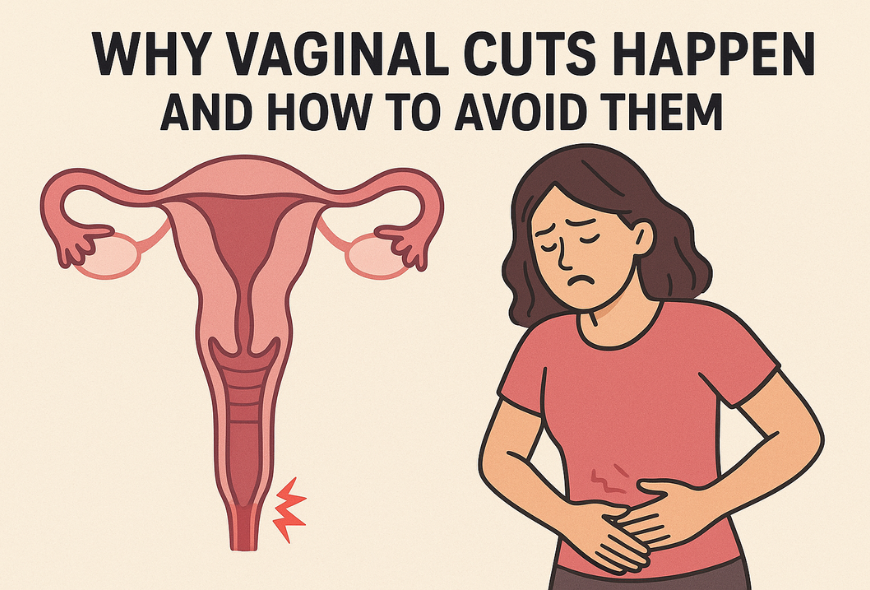
Small Vaginal Cuts or tears in the vaginal area may sound alarming, but they are actually quite common. These minor abrasions often happen in women who are sexually active and, in most cases, they are not medically serious. Still, they can be uncomfortable, cause Vaginal Infections, and make intimacy less enjoyable.
Although these small tears usually heal naturally, it’s essential to know what causes them and how to prevent them, as vaginal yeast infection vital to overall well-being.
Common Causes of Vaginal Cuts
The vagina naturally produces lubrication when aroused, which helps reduce friction during penetrative sex. However, several factors can interfere with this natural moisture, increasing the chance of tearing.
- Vaginal dryness – Insufficient lubrication is one of the leading reasons tears occur. Without enough natural moisture, friction increases and tiny cuts can form.
- Menopause – Falling estrogen levels after menopause can thin the vaginal lining, reduce elasticity, and make tissues more prone to injury.
- Limited foreplay – Skipping or rushing foreplay gives the body less time to produce adequate lubrication, leading to dryness and discomfort during sex.
- History of trauma or abuse – Past painful or traumatic experiences can affect arousal and lubrication. In some cases, the body may involuntarily tighten the pelvic muscles (a condition known as vaginismus), creating more friction and a higher risk of cuts.
- Pelvic floor tension – Overactive or tight pelvic muscles can restrict blood flow, dry out tissues, and make penetration more difficult.
- Sex toys or other products – Toys with rough edges, irritating materials, or even improperly inserted tampons can cause small tears.
How to Prevent Vaginal Cuts
Since dryness is often at the root of the problem, increasing lubrication and reducing friction are key. Here are some effective prevention tips:
Use Lubricants
Lubricants can greatly reduce friction during sex. Options include:
- Water-based lubricants – Widely available and safe for most people, but check labels for irritating ingredients like glycerin, propylene glycol, or fragrances.
- Silicone-based lubricants – Last longer than water-based options but can damage silicone toys over time.
- Natural oils – Coconut or olive oil may work for some women, but they can weaken latex condoms and stain fabrics.
Select a lubricant that suits your body comfortably, and steer clear of those with warming effects, flavors, or added sugars, as they can irritate sensitive tissues and raise the risk of Vaginal Infections.
Take Your Time with Foreplay
More arousal before penetration allows the body to produce natural lubrication, lowering the chance of cuts and discomfort. Extended foreplay can make intimacy safer and more enjoyable.
Try Different Sexual Positions
Positions that give a woman more control over penetration depth and movement can reduce friction and prevent tiny tears.
Vaginal Estrogen Therapy
For postmenopausal women experiencing ongoing dryness, doctors may prescribe local estrogen treatments such as vaginal creams, tablets, or suppositories to restore moisture and elasticity.
Pelvic Floor Therapy
When tight pelvic floor muscles contribute to tearing, working with a physical therapist trained in pelvic health can help relax the muscles and improve blood flow to the vaginal tissues.
Key Takeaway
Vaginal cuts are usually minor but can cause discomfort and affect sexual well-being. The main culprit is often dryness, which may result from menopause, lack of foreplay, or tension in the pelvic muscles.
Using lubricants, spending more time on arousal, choosing positions that reduce friction, and seeking professional support if needed are effective ways to protect vaginal health. While most cuts are not serious, ongoing pain, repeated tears, or signs of Vaginal Infections warrant a medical check-up.
FAQs About Vaginal Cuts
Are vaginal cuts dangerous?
Most vaginal cuts are not dangerous and heal on their own within a few days. However, recurring tears or painful symptoms may indicate an underlying issue that needs medical evaluation.
How long do vaginal cuts take to heal?
Minor cuts may heal in 3–5 days. Deeper cuts or those caused by Vaginal Infections may take longer, up to two weeks, depending on the underlying cause and proper care.
Can vaginal cuts cause infection?
Yes. If bacteria enter through the cut, it can lead to irritation, discharge, or Vaginal Infections. Keeping the area clean and using mild, fragrance-free products can reduce the risk.
Can I still have sex with a vaginal cut?
It is best to wait until the cut has healed completely. Having sex too soon may worsen the tear and increase the risk of Vaginal Infections.
Can menopause make vaginal cuts worse?
Yes. Declining estrogen during menopause causes thinning and dryness of the vaginal lining, making cuts more frequent. Vaginal estrogen therapy may help.
Do lubricants really work to prevent vaginal cuts?
Yes, using a quality lubricant significantly lowers friction and prevents microtears. Be sure to choose one free from harsh chemicals, flavors, or warming agents.
Could vaginal cuts be a sign of an STD?
Sometimes. Conditions like herpes may present as sores that resemble small cuts. If you notice blister-like lesions, burning during urination, or discharge, consult a healthcare provider.