
Matcha, a finely ground green tea powder, has been a staple in Japanese culture for centuries, prized for its rich antioxidants and potential health benefits. When incorporated into a smoothie, matcha can provide a refreshing, energizing drink that not only tastes great but also supports overall wellness. In this article, we will delve into the world of healthy matcha smoothie recipes, exploring their benefits, variations, and how to make them a part of your daily routine.
Key Takeaways
- Understand the health benefits of matcha and its role in smoothies.
- Learn basic and advanced matcha smoothie recipes.
- Discover how to incorporate matcha into your daily diet for energy and weight loss.
Introduction to Matcha
Matcha, a finely ground green tea powder, has been a cornerstone of Japanese culture for centuries, with its history dating back to the 12th century. Originally used in traditional tea ceremonies for its unique flavor and potential health benefits, matcha has evolved over time to become a popular ingredient in various dishes and drinks, including the nutritious matcha smoothie. The rich history of matcha is marked by its careful cultivation and processing, which contribute to its distinctive taste and high nutritional value.
The nutritional benefits of matcha are multifaceted, making it an excellent addition to a healthy diet. Matcha is rich in vitamins, minerals, and antioxidants, which can help protect the body against free radicals and oxidative stress. Some of the key nutritional benefits of matcha include:
- High levels of vitamin C, which is essential for immune function and skin health
- Rich in vitamin E, which acts as an antioxidant and helps protect cells from damage
- Good source of potassium, an electrolyte that supports healthy blood pressure and muscle function
- Contains a significant amount of iron, crucial for healthy red blood cells
- High in fiber, which can help support digestive health and satiety
Beyond its vitamin and mineral content, matcha is renowned for its potent antioxidant properties. The high levels of catechins, particularly epigallocatechin gallate (EGCG), in matcha have been shown to have anti-inflammatory effects and may help in reducing the risk of certain diseases. When incorporated into a matcha smoothie, these antioxidants can provide an extra layer of nutritional benefits, making it a refreshing and healthy choice for those looking to enhance their well-being.
Basic Matcha Smoothie Recipe
To create a delicious and healthy matcha smoothie, it’s essential to start with a basic recipe that can be tailored to your taste preferences. The fundamental ingredients for a basic matcha smoothie include one teaspoon of matcha powder, half a banana, one cup of plain yogurt, and one cup of milk or a milk alternative. You can also add honey or another sweetener to taste.
The instructions are straightforward: combine all the ingredients in a blender and blend until smooth. For a thicker consistency, add more yogurt or a scoop of your favorite protein powder. For a thinner consistency, add more milk. The key is to find the perfect balance that works for you.
For beginners, here are some valuable tips to enhance your matcha smoothie experience:
- Start with a high-quality matcha powder that is rich in antioxidants and has a vibrant green color.
- Experiment with different types of milk, such as almond, soy, or coconut milk, to find the one that complements the matcha flavor the best.
- Don’t overdo it with the sweetener – a little honey or maple syrup can go a long way in enhancing the flavor without adding too much sugar.
- Consider adding some ice to your smoothie if you prefer a colder drink, or use frozen fruit to give it a thicker, creamier texture.
- Finally, be patient and don’t be afraid to try new combinations of ingredients until you find the perfect matcha smoothie recipe that works for you.
By following these simple guidelines and experimenting with different ingredients, you’ll be well on your way to creating a delicious and healthy matcha smoothie that will become a staple in your daily routine.
Advanced Matcha Smoothie Recipes
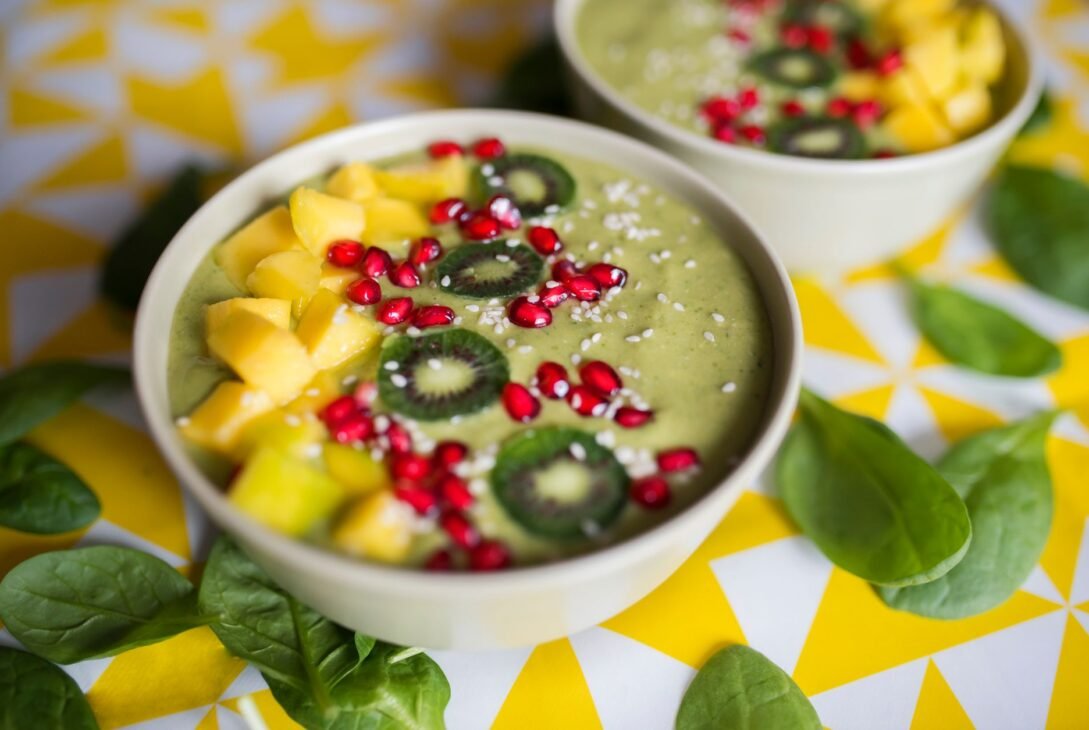
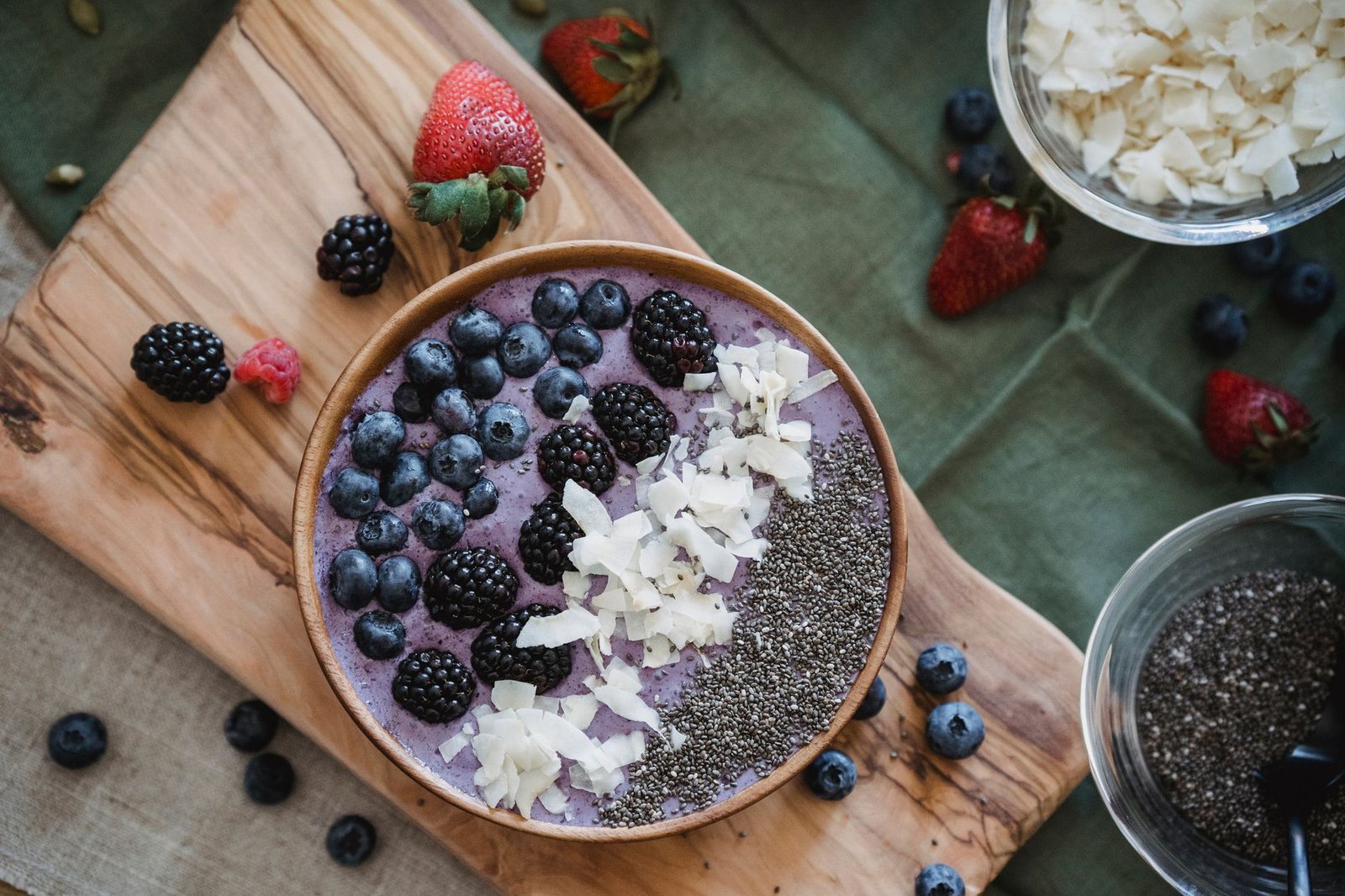
Once you have mastered the basics of creating a matcha smoothie, it’s time to experiment with more advanced recipes that can elevate the flavor and nutritional profile of your drink. Incorporating fruits is an excellent way to add natural sweetness and a burst of flavor to your smoothie. For instance, combining matcha with frozen berries such as blueberries or raspberries creates a delicious and refreshing blend. You can also add other fruits like bananas, mangoes, or pineapples to create unique flavor profiles.
In addition to fruits, adding nuts and seeds can provide a satisfying crunch and an extra dose of healthy fats and proteins. Some options include almonds, walnuts, chia seeds, and flaxseeds. Using different types of milk is another way to vary your matcha smoothie, with choices ranging from traditional dairy milk to non-dairy alternatives like almond milk, soy milk, and coconut milk.
Here are some advanced matcha smoothie ideas to try:
- Matcha Banana Boost: Combine matcha powder with frozen banana, almond milk, and a handful of spinach for a creamy and nutritious smoothie.
- Tropical Matcha: Blend matcha powder with frozen pineapple, coconut milk, and a sprinkle of chia seeds for a refreshing and healthy drink.
- Antioxidant Matcha: Mix matcha powder with frozen blueberries, Greek yogurt, and a drizzle of honey for a smoothie packed with antioxidants.
- Green Goddess: Combine matcha powder with avocado, spinach, and a squeeze of lemon juice for a creamy and detoxifying smoothie.
- Peachy Matcha: Blend matcha powder with frozen peaches, almond milk, and a sprinkle of cinnamon for a warm and comforting drink.
These advanced matcha smoothie recipes offer endless possibilities for experimentation and creativity, allowing you to tailor your drink to your unique tastes and dietary needs. Whether you prefer sweet and fruity or green and earthy, there’s a matcha smoothie recipe out there for everyone.
Matcha for Weight Loss
For those seeking to shed a few pounds, incorporating matcha into their diet can be a valuable strategy. One of the primary ways matcha contributes to weight loss is by boosting metabolism. This is primarily due to its high concentration of catechins, which are known to enhance the body’s ability to burn fat. When you combine matcha with a balanced diet and regular exercise, the impact on your metabolic rate can be quite significant, potentially leading to more efficient weight loss.
Another beneficial effect of matcha in the context of weight loss is its ability to suppress appetite. The feeling of fullness that comes from consuming matcha can help reduce the tendency to overeat or snack between meals, which is a common obstacle for many individuals trying to lose weight. Moreover, matcha has been shown to increase energy levels, which can be particularly beneficial for enhancing the intensity and duration of workouts, further supporting weight loss efforts.
To maximize the weight loss benefits of matcha, consider the following tips when preparing your matcha smoothie or other matcha-based beverages and dishes:
- Choose high-quality matcha powder that is rich in antioxidants and has not been contaminated with heavy metals or other pollutants.
- Combine matcha with other ingredients known for their weight loss properties, such as green tea, citrus fruits, and spinach.
- Drink matcha beverages in moderation, as excessive consumption can lead to an overload of caffeine and other compounds.
- Pair your matcha consumption with a balanced diet that is low in processed foods and sugars, and high in whole foods and fiber.
- Stay hydrated by drinking plenty of water throughout the day, as matcha can have a mild diuretic effect.
By incorporating these strategies into your lifestyle, you can harness the potential of matcha to support your weight loss journey, leading to a healthier, more balanced you.
Matcha and Energy
For individuals seeking a natural energy boost, matcha has become an increasingly popular choice due to its unique combination of caffeine and L-Theanine. The caffeine content in matcha is notably higher than in traditionally brewed green tea, primarily because the entire leaf is consumed, providing a prolonged release of energy. However, what sets matcha apart is the presence of L-Theanine, an amino acid that promotes relaxation and reduces the jittery side effects often associated with caffeine consumption.
This synergistic blend enhances endurance and focus, making it an ideal ingredient for a pre-workout matcha smoothie. The L-Theanine effects are particularly beneficial as they help mitigate the potential negative impacts of caffeine, such as anxiety and an increased heart rate, leading to a smoother, more sustained energy boost. Here are some key benefits of incorporating matcha into your daily routine for enhanced energy and productivity:
- Improved mental clarity and concentration, allowing for more focused work sessions.
- Enhanced physical endurance, making it easier to power through challenging workouts or long days.
- Boosted metabolism, which can aid in weight management and overall health.
- Increased antioxidant intake, helping to protect against cell damage and support immune function.
- Reduced stress levels, thanks to the calming effects of L-Theanine, which can lead to better sleep quality and mood regulation.
In conclusion, the matcha smoothie is not just a tasty and refreshing beverage; it’s also a potent tool for those looking to elevate their energy levels naturally, without the crash that often follows coffee or energy drink consumption. By understanding and harnessing the unique properties of matcha, individuals can unlock a pathway to sustained vitality and improved overall well-being.
Incorporating Matcha into Your Diet
To maximize the benefits of matcha, it’s essential to incorporate it into your diet in a way that complements your lifestyle and health goals. The daily intake of matcha can vary depending on individual needs, but a general recommendation is to start with a small dose of about 1/2 to 1 teaspoon per day, which can be added to a matcha smoothie or other recipes.
Combining matcha with other health foods can enhance its benefits. For example, pairing matcha with fruits, nuts, and seeds can provide a boost of antioxidants, fiber, and healthy fats. When considering the timing for optimal benefits, it’s worth noting that matcha can be consumed at various times of the day, depending on your goals. Here are some guidelines for incorporating matcha into your daily routine:
- Consuming matcha in the morning can help increase alertness and focus, making it an excellent addition to a breakfast matcha smoothie.
- Having a matcha break in the afternoon can provide a natural energy boost and help combat mid-day sluggishness.
- Pairing matcha with a pre-workout snack can enhance endurance and performance during exercise.
- Incorporating matcha into a relaxing evening routine, such as a warm bath or meditation practice, can promote relaxation and improve sleep quality.
- Adding matcha to a post-workout smoothie can aid in muscle recovery and reduce inflammation.
By incorporating matcha into your diet in a mindful and intentional way, you can unlock its full potential and experience the numerous health benefits it has to offer, from enhanced cognitive function to improved overall well-being.
Potential Side Effects of Matcha
While incorporating matcha into your daily routine through a matcha smoothie can have numerous health benefits, it is crucial to be aware of the potential side effects associated with its consumption. One key consideration is caffeine sensitivity, as matcha contains a significant amount of caffeine. Individuals who are highly sensitive to caffeine may experience jitters, anxiety, or an inability to sleep when consuming matcha, especially in large quantities.
Furthermore, matcha can interact with certain medications, affecting their efficacy or increasing the risk of side effects. For instance, matcha’s high caffeine content can interact with blood thinners, and its high vitamin K content can interfere with blood clotting medications. It is essential for individuals taking any medication to consult with their healthcare provider before regularly consuming matcha.
In rare cases, some people may experience allergic reactions to matcha, which can range from mild symptoms like hives or itching to more severe reactions such as difficulty breathing. The following are common concerns and considerations for matcha consumption:
- Caffeine-induced headaches or migraines in sensitive individuals
- Potential interactions with diabetes medications due to matcha’s effect on blood sugar levels
- Increased heart rate and blood pressure, which may be problematic for people with pre-existing heart conditions
- Stomach upset or nausea, particularly when matcha is consumed on an empty stomach
- Pregnancy and breastfeeding considerations, as high levels of caffeine can impact fetal development or infant health
To fully enjoy the benefits of a matcha smoothie while minimizing potential side effects, it is vital to start with small amounts and monitor your body’s response, gradually increasing your intake as needed and under the guidance of a healthcare professional if necessary.
Tips for Buying High-Quality Matcha
When it comes to creating a delicious and healthy matcha smoothie, one of the most crucial factors is the quality of the matcha powder used. High-quality matcha can elevate the flavor and nutritional benefits of your smoothie, while low-quality matcha can result in a bitter taste and fewer health benefits. To ensure you’re getting the best matcha for your smoothie, consider the origin and quality of the matcha, as Japanese matcha tends to be of higher quality due to stricter cultivation and processing standards.
The color and texture of the matcha powder are also important indicators of quality. High-quality matcha should have a vibrant green color and a fine, powdery texture. Avoid matcha with a yellowish or brownish tint, as this can be a sign of age or poor processing. Here are some additional factors to consider when buying high-quality matcha:
- Look for matcha that is certified organic and non-GMO to ensure it meets high standards for cultivation and processing.
- Check the packaging for airtight seals and protective foil to preserve the matcha’s flavor and nutrients.
- Read reviews from other customers to get a sense of the matcha’s flavor and quality.
- Consider the price, as high-quality matcha tends to be more expensive due to the labor-intensive cultivation and processing methods.
- Check the ingredient label to ensure it contains only pure matcha powder, without any additives or fillers.
By considering these factors and doing your research, you can find high-quality matcha that will take your matcha smoothie to the next level and provide you with the maximum nutritional benefits.
Creative Matcha Smoothie Ideas
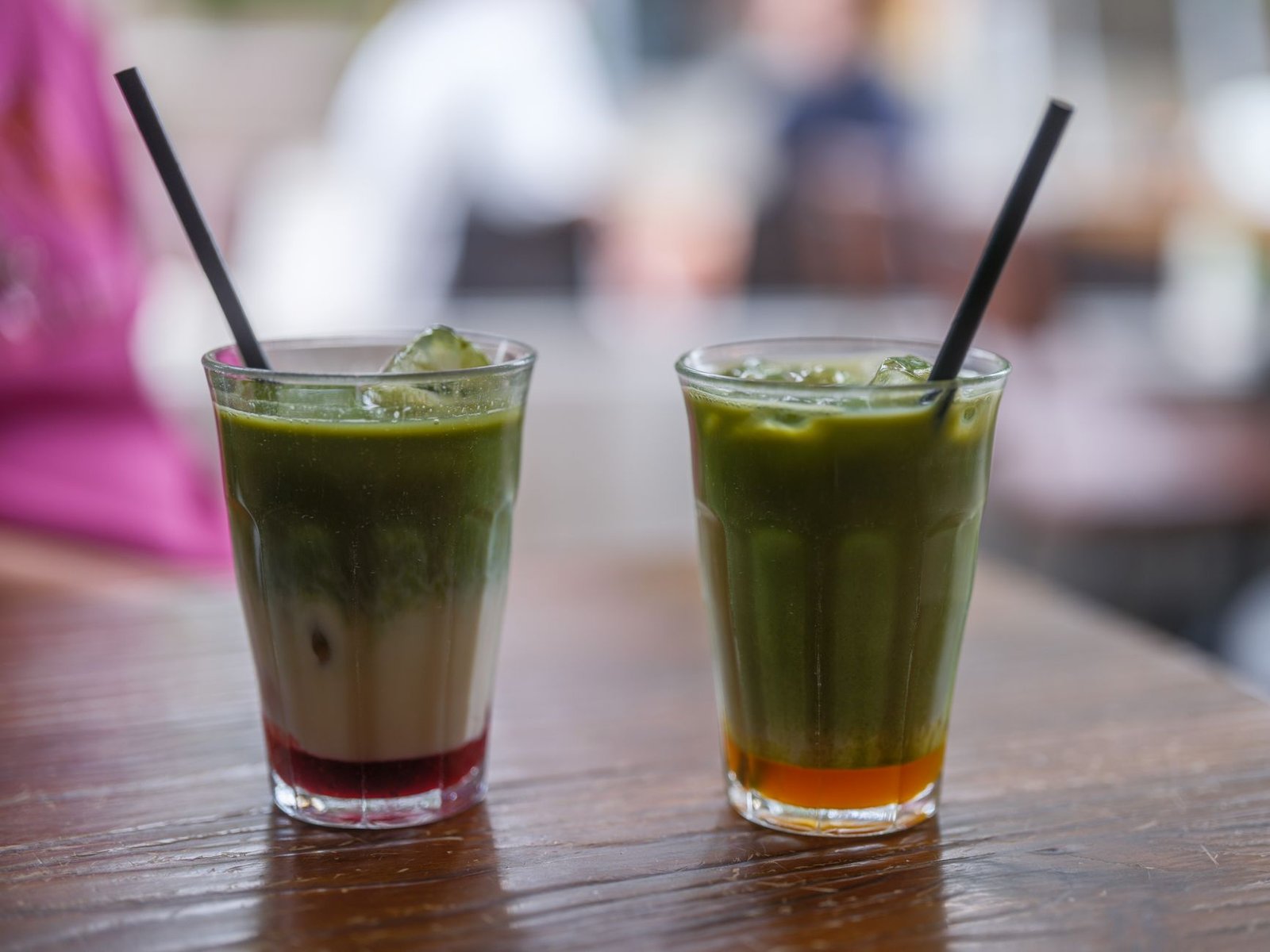
To take your matcha smoothie to the next level, consider incorporating seasonal ingredients, spices, and flavorings that will not only enhance the taste but also add a touch of creativity. For instance, during the summer, you can add fresh berries or sliced peaches to give your smoothie a refreshing twist. In the winter, warm spices like cinnamon, nutmeg, or ginger can add a cozy feel to your drink.
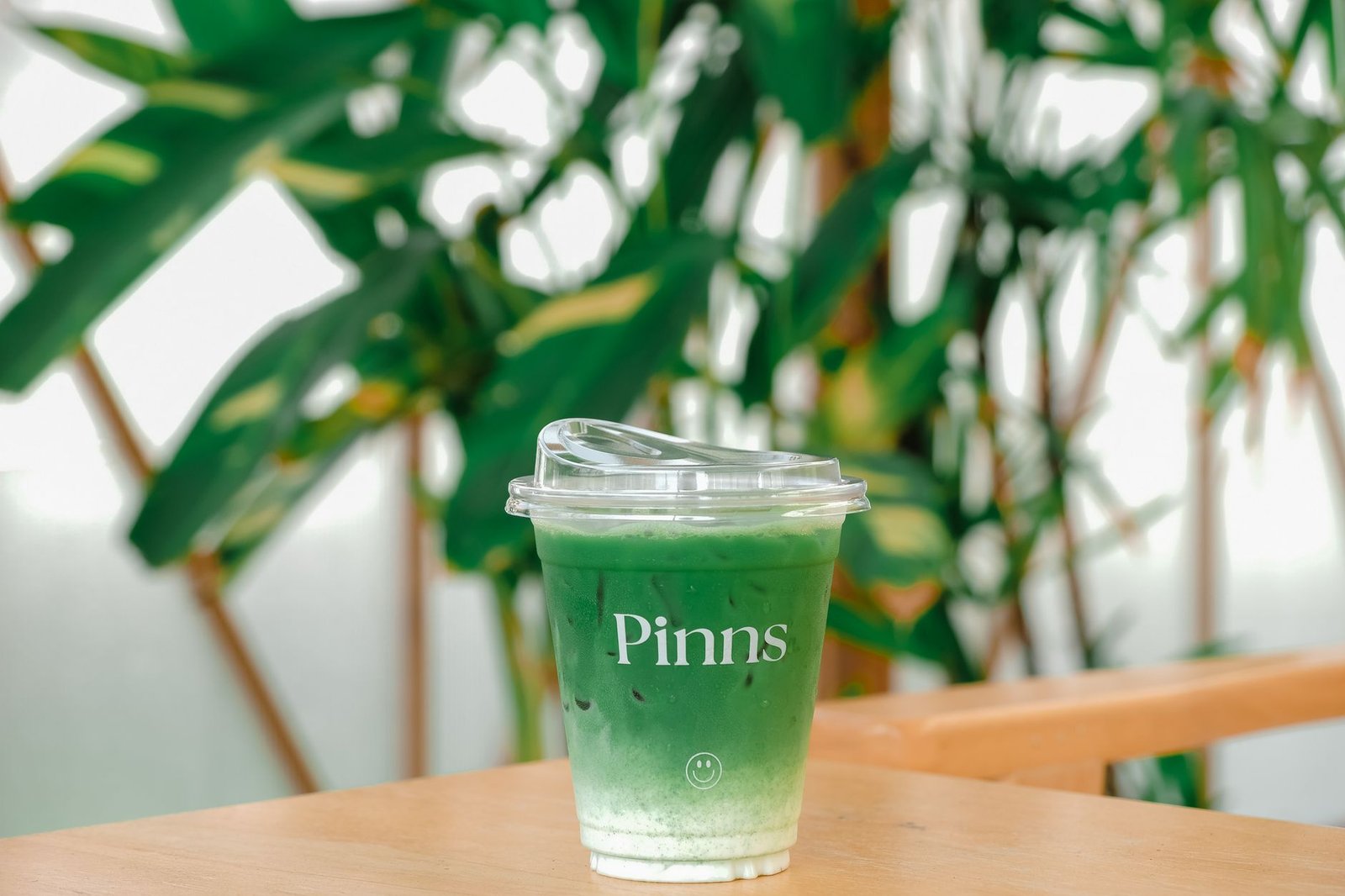
Another way to get creative is by experimenting with layered smoothies. This involves pouring different layers of smoothie into a glass to create a visually appealing effect. You can achieve this by using a combination of frozen fruits, yogurt, and milk to create varying textures and colors. Here are some ideas for layered smoothies:
- Green tea matcha layer with a mango and pineapple layer on top
- A chocolate banana smoothie layered with a matcha and coconut milk mixture
- A strawberry and spinach smoothie layered with a creamy yogurt and honey mixture
- A tropical smoothie with layers of matcha, pineapple, and coconut water
- A autumn-inspired smoothie with layers of pumpkin, matcha, and cinnamon
Remember, the key to creating a unique matcha smoothie is to experiment with different ingredients and flavor combinations. Don’t be afraid to try out new spices, fruits, and nuts to create a taste that is both refreshing and exciting. By doing so, you’ll not only create a delicious drink but also a healthy and nutritious one that will keep you energized throughout the day.
Conclusion on Matcha Smoothies
In conclusion, incorporating a matcha smoothie into your daily routine can have a profound impact on your overall health and wellbeing. The numerous benefits of matcha, including its high antioxidant content, potential to improve heart health, and ability to boost metabolism, make it an ideal addition to a balanced diet.
Some of the key advantages of matcha include:
- Rich in vitamins and minerals
- May help lower cholesterol and blood pressure
- Can enhance mental focus and clarity
With its versatile flavor profile and ease of preparation, it’s easy to get creative with matcha recipes. We encourage you to experiment with different combinations of fruits, nuts, and spices to find your perfect blend. Whether you’re looking to increase your energy levels, support weight loss, or simply treat yourself to a delicious and healthy beverage, a matcha smoothie is an excellent choice.
As you continue to explore the world of matcha, you may find yourself drawn to other recipes and products that feature this incredible ingredient. From matcha lattes and Lattes to baked goods and desserts, the possibilities are endless. We hope this introduction to matcha smoothies has inspired you to try new things and discover the many benefits that matcha has to offer.
Frequently Asked Questions
What is the best time to drink a matcha smoothie?
The best time to drink a matcha smoothie is in the morning or early afternoon when you need a natural energy boost.
Can I add matcha to any smoothie recipe?
Yes, matcha can be added to most smoothie recipes, but it’s best to start with a small amount (about 1/2 teaspoon) and adjust to taste due to its potent flavor.
Are matcha smoothies suitable for everyone?
Most people can enjoy matcha smoothies, but those sensitive to caffeine or with certain health conditions should consult with a healthcare provider before making matcha a regular part of their diet.
Final Thoughts
In conclusion, incorporating matcha into your smoothies can be a fantastic way to enhance your health and energy levels. With its rich history, nutritional benefits, and versatility in recipes, matcha smoothies are not only a delicious addition to your diet but also a sustainable way to support your overall wellness.
{“@context”:”https://schema.org”,”@type”:”FAQPage”,”mainEntity”:[{“@type”:”Question”,”name”:”What is the best time to drink a matcha smoothie?”,”acceptedAnswer”:{“@type”:”Answer”,”text”:”The best time to drink a matcha smoothie is in the morning or early afternoon when you need a natural energy boost.”}},{“@type”:”Question”,”name”:”Can I add matcha to any smoothie recipe?”,”acceptedAnswer”:{“@type”:”Answer”,”text”:”Yes, matcha can be added to most smoothie recipes, but it’s best to start with a small amount (about 1/2 teaspoon) and adjust to taste due to its potent flavor.”}},{“@type”:”Question”,”name”:”Are matcha smoothies suitable for everyone?”,”acceptedAnswer”:{“@type”:”Answer”,”text”:”Most people can enjoy matcha smoothies, but those sensitive to caffeine or with certain health conditions should consult with a healthcare provider before making matcha a regular part of their diet.”}}]}
{“@context”:”https://schema.org”,”@type”:”Article”,”headline”:”Healthy Matcha Smoothie Recipes”,”mainEntityOfPage”:”https://healthbye.com/healthy-matcha-smoothie-recipes/”,”datePublished”:”2026-07-25T10:06:32+00:00″,”dateModified”:”2026-07-25T10:06:32+00:00″,”author”:{“@type”:”Person”,”name”:”healthbye”},”publisher”:{“@type”:”Organization”,”name”:”healthbye”},”image”:”https://healthbye.com/wp-content/uploads/2026/07/vidhaata-Uw4BbwMR.jpg”}