
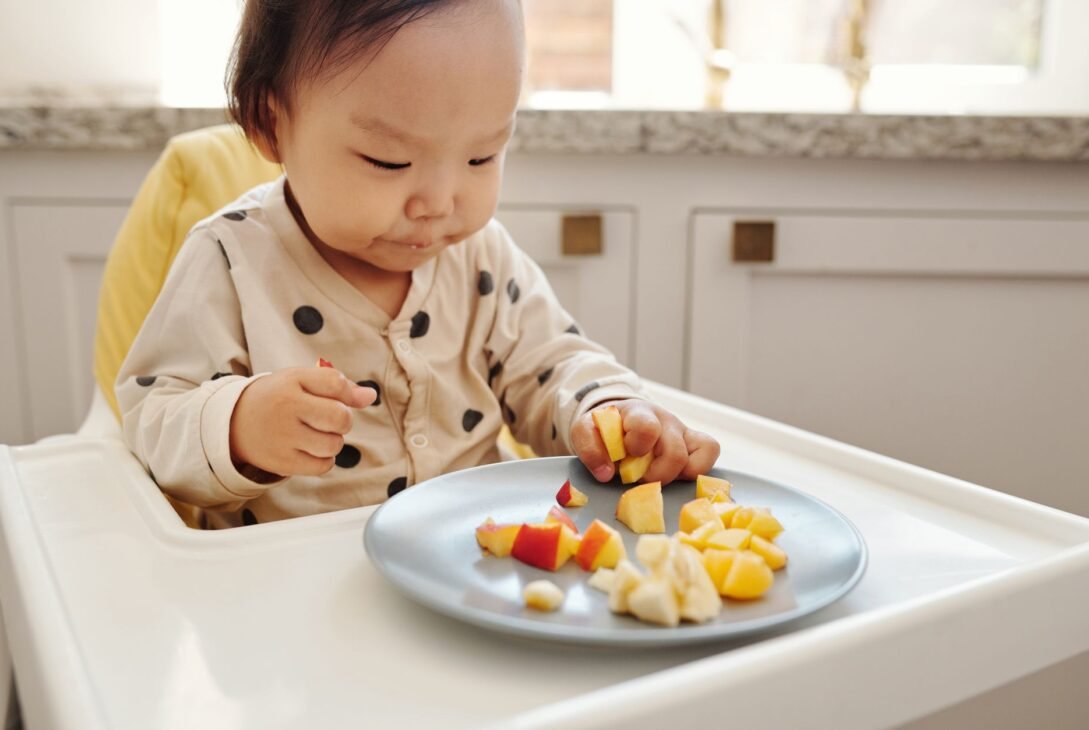
Encouraging healthy eating habits in children is crucial for their growth, development, and long-term well-being. Healthy snacking plays a significant role in this process, providing essential nutrients between meals. In this article, we’ll delve into the world of healthy snacks for kids, discussing their importance, benefits, and a wide range of options to suit every taste and dietary need.
Key Takeaways
- Understand the importance of healthy snacking for kids
- Learn about various healthy snack options
- Discover tips for incorporating healthy snacks into your child’s diet
Introduction to Healthy Snacking for Kids
As parents, it is essential to understand the importance of healthy snacking for kids, as it plays a vital role in their overall growth and development. Healthy snacks for kids provide the necessary nutrients, vitamins, and minerals required for their bodies to function correctly. A well-planned snack can help to bridge the nutritional gap between meals, preventing excessive hunger and supporting energy levels throughout the day. Moreover, healthy snacking habits can have a lasting impact on a child’s relationship with food, teaching them the value of nutritious eating and promoting a balanced diet.
The benefits of healthy snacking are numerous, and some key advantages include:
- Supporting healthy weight management by providing the necessary nutrients and preventing overeating
- Promoting strong bones and teeth through an adequate intake of calcium and vitamin D
- Enhancing cognitive function and concentration, allowing children to focus and learn more effectively
- Boosting the immune system, reducing the risk of illnesses and infections
- Encouraging healthy eating habits and a positive relationship with food, which can last a lifetime
By incorporating healthy snack options into their daily routine, parents can help their children develop a strong foundation for a healthy and active lifestyle. In the following sections, we will explore a variety of tasty and nutritious snack ideas, providing parents with the inspiration and guidance needed to make informed choices about the foods they offer their kids.
Benefits of Healthy Snacks for Children
Providing children with healthy snacks for kids is crucial for their overall development and well-being. Healthy snacks offer numerous benefits, including improved concentration, boosted energy levels, and support for maintaining a healthy weight. When children consume nutritious snacks, they are better equipped to focus and learn, leading to improved academic performance. Furthermore, healthy snacks help to prevent energy crashes and mood swings, ensuring that children remain active and engaged throughout the day.
A well-planned snack routine can have a significant impact on a child’s health and productivity. Some of the key advantages of incorporating healthy snacks into a child’s diet include:
- Enhanced cognitive function, leading to better problem-solving skills and memory
- Increased stamina and endurance, allowing children to participate in physical activities with more energy and enthusiasm
- Reduced risk of chronic diseases, such as obesity and diabetes, which are often linked to poor eating habits
- Healthier relationships with food, as children learn to make informed choices and develop a balanced eating habits
- Improved overall mood and reduced irritability, resulting in a more harmonious and cooperative attitude
By choosing healthy snacks for kids, parents and caregivers can play a vital role in shaping their eating habits and promoting a lifelong commitment to wellness. By making informed decisions about the foods they offer, adults can help children develop the skills and knowledge needed to make healthy choices and maintain a healthy lifestyle.
Fresh Fruits as Healthy Snacks
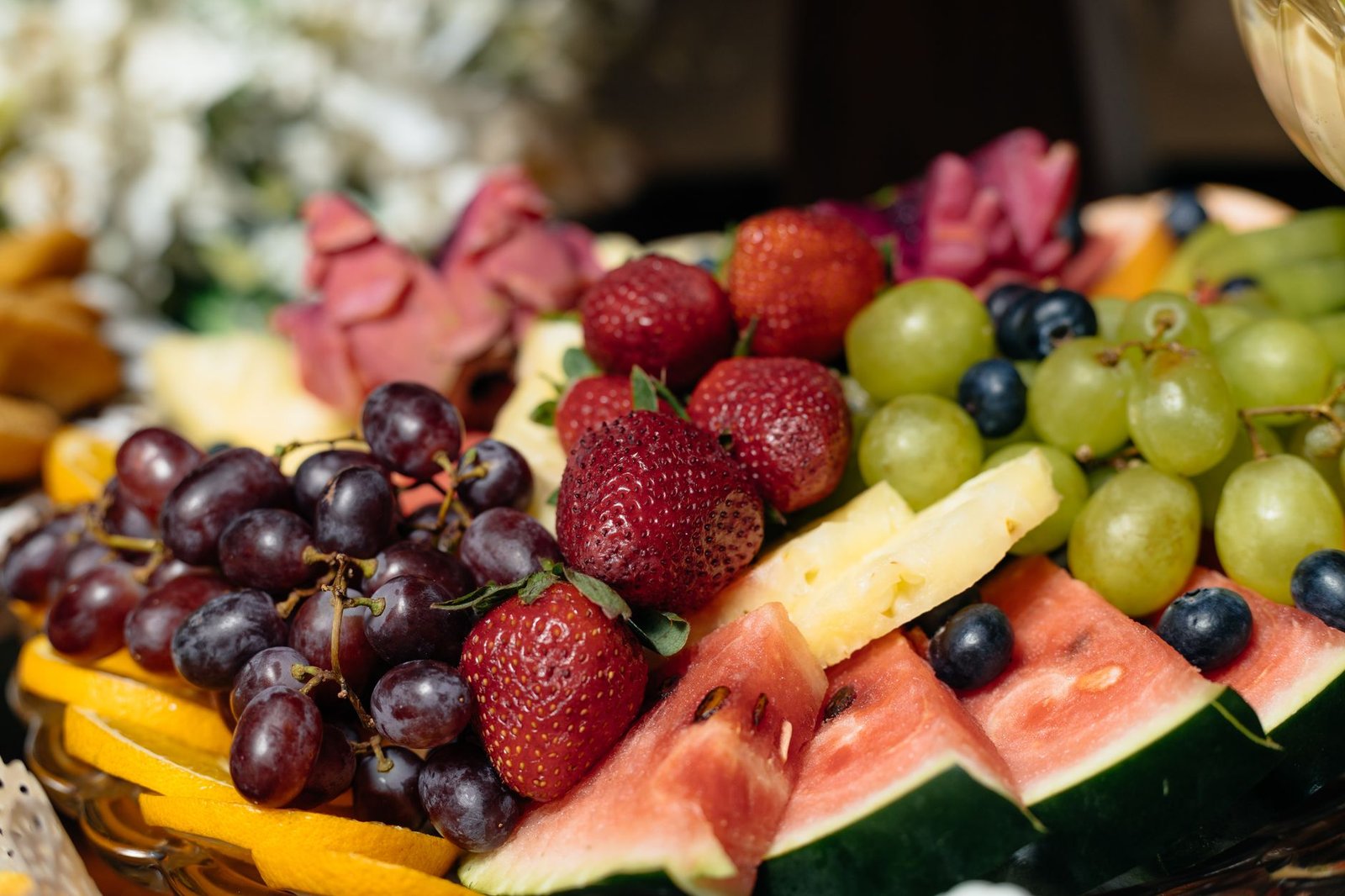
When it comes to providing healthy snacks for kids, fresh fruits are an excellent choice. They offer a wide variety of options, ensuring that children can try new flavors and textures regularly. From apples and bananas to berries and citrus fruits, the diversity of fresh fruits available makes them an ideal component of a balanced diet. Fresh fruits are not only delicious but also packed with essential nutrients, including vitamins, minerals, and antioxidants, which play a crucial role in supporting children’s growth and development.
The nutritional benefits of fresh fruits are numerous. They are rich in fiber, which helps with digestion, and are also a good source of energy. Incorporating a range of colorful fruits into their diet can help kids meet their daily needs for vitamins C and A, potassium, and folate. For instance, oranges are high in vitamin C, which is vital for a healthy immune system, while strawberries are rich in vitamin C and antioxidants. To make the most of these benefits, it’s essential to serve fresh fruits in a way that appeals to children.
Here are some tips for serving fresh fruits as healthy snacks for kids:
- Offer a variety of fruits at snack time to keep things interesting and prevent boredom.
- Cut fruits into fun shapes or serve them with dips like yogurt or peanut butter to make snack time more engaging.
- Involve kids in the process of selecting fruits at the grocery store or farmer’s market, allowing them to pick a new fruit to try each week.
- Keep a bowl of fresh fruit on the counter, making it easily accessible for kids to grab as a quick snack.
- Try preparing fruit kebabs or salads together, promoting teamwork and teaching kids about different fruit combinations.
By incorporating fresh fruits into their daily routine and presenting them in creative ways, parents can help their kids develop healthy eating habits from a young age, setting them up for a lifetime of well-being and appreciation for nutritious food.
Vegetable Snacks for Kids
Introducing vegetables as healthy snacks for kids from an early age is crucial for their development and lifelong eating habits. Vegetables provide essential nutrients, fiber, and vitamins that support growth and overall well-being. When it comes to preparing vegetable snacks, the key is to make them appealing and fun for children. Various preparation methods can enhance the taste and texture, such as steaming, roasting, or grilling, which can bring out the natural sweetness in vegetables.
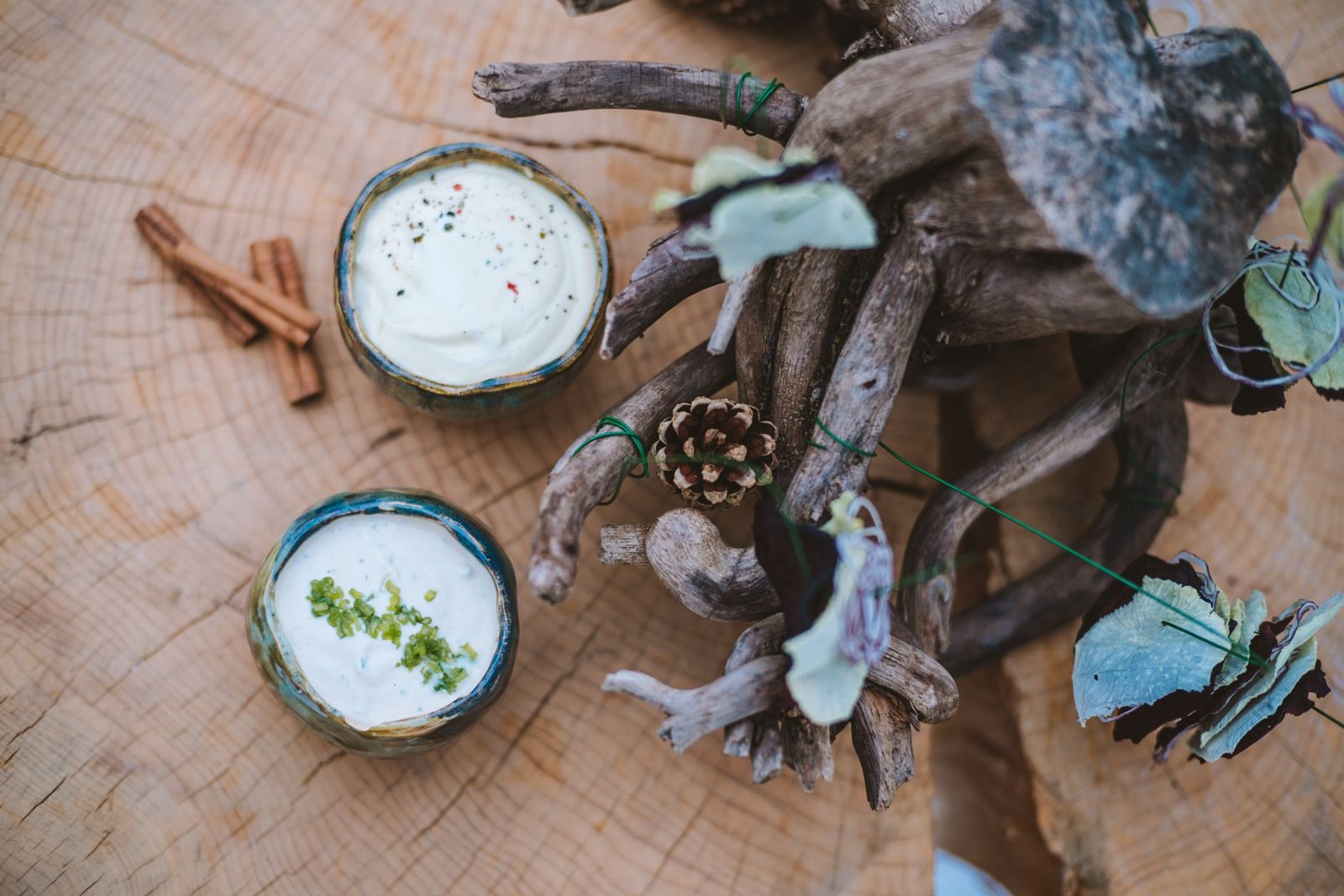
One effective way to encourage kids to eat vegetables is by serving them with dipping sauces. This can add flavor and make the experience more enjoyable. Some popular dipping sauce options include hummus, ranch dressing, and tzatziki sauce. For a healthier alternative, homemade dips made from yogurt or avocado can be a great choice.
Here are some vegetable snack ideas that kids might enjoy:
- Carrot sticks with guacamole dip, providing a creamy and healthy snack option.
- Sweet potato fries baked in the oven for a crispy exterior and a soft interior.
- Cucumber slices with dill dip, offering a refreshing and light snack.
- Broccoli florets with cheese sauce, which can be a comforting and familiar flavor for kids.
- Edamame steamed to perfection and seasoned with sea salt for a simple yet nutritious snack.
By incorporating a variety of vegetables into their diet and presenting them in appealing ways, parents can help their children develop a lifelong preference for healthy snacks for kids, including vegetables, and set them up for a future of balanced eating habits.
Whole Grain Snacks for Children

When it comes to providing healthy snacks for kids, whole grain snacks are an excellent option. Whole grains are rich in fiber, vitamins, and minerals, and they offer numerous benefits for children’s health, including promoting healthy digestion, supporting growth and development, and helping to maintain a healthy weight.
The benefits of whole grains make them an ideal choice for parents seeking to offer their kids nutritious and balanced diets. Some examples of whole grain snacks that are suitable for children include whole wheat crackers, brown rice cakes, and oat biscuits. Additionally, incorporating whole grains into a child’s diet can be easy and convenient.
To make whole grain snacks a regular part of your child’s diet, consider the following options:
- Whole grain bread or wraps for sandwiches
- Homemade trail mix made with whole grain cereals and dried fruits
- Whole grain crackers with avocado or hummus dip
- Whole grain granola bars, which are a healthy alternative to traditional snacks
- Whole grain cookies, baked at home using whole wheat flour and minimal sugar
Incorporating these whole grain snacks into your child’s diet will not only provide them with essential nutrients but also help develop healthy eating habits from a young age, making the quest for healthy snacks for kids much easier and more effective.
Protein-Rich Snacks for Kids
Protein is an essential nutrient for kids, playing a crucial role in their growth and development. It helps build and repair muscles, organs, and tissues, making it vital for overall health. When it comes to healthy snacks for kids, protein-rich options are an excellent choice as they provide a feeling of fullness and satisfaction, reducing the likelihood of overeating or reaching for unhealthy snacks. Examples of protein-rich snacks include lean meats, dairy products, eggs, and legumes.
Some specific protein-rich snack options for kids are:
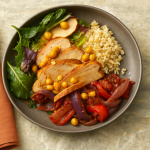
- Turkey or chicken slices served with whole-grain crackers
- Hard-boiled eggs
- Cottage cheese with fruit
- Edamame or black beans
- Yogurt cups with nuts or seeds
When serving protein-rich snacks to kids, it is essential to consider healthy portion sizes to avoid overconsumption of calories. Parents should aim to provide snacks that are nutrient-dense and low in added sugars, salt, and unhealthy fats. By incorporating a variety of protein-rich snacks into their diet, kids can develop healthy eating habits and a strong foundation for long-term well-being, making healthy snacks for kids a top priority for parents and caregivers alike.
Dairy and Calcium-Rich Snacks
Calcium plays a vital role in the growth and development of children, and it is essential to provide them with healthy snacks for kids that are rich in this mineral. Calcium is crucial for building strong bones and teeth, and it also helps in the development of muscles and nerves. Furthermore, calcium deficiency can lead to various health problems, such as rickets and osteoporosis, which can have long-term effects on a child’s overall health.
Fortunately, there are numerous dairy snack options that are rich in calcium and can be given to children as healthy snacks for kids. Some examples include milk, cheese, and yogurt. These snacks can be served on their own or paired with other foods, such as fruits or whole grain crackers, to make them more appealing to children. For instance, a snack of yogurt with sliced banana and a sprinkle of granola can be a tasty and nutritious treat.
For children who are lactose intolerant or prefer non-dairy alternatives, there are still many options available. Some examples of non-dairy calcium-rich snacks include:
- Fortified plant-based milk, such as soy milk or almond milk
- Calcium-set tofu
- Dark leafy greens, such as broccoli or kale
- Edamame
- Fortified cereals
These snacks can be just as nutritious as their dairy counterparts and can provide children with the calcium they need to grow strong and healthy.
Healthy Snacking Tips for Parents
As a parent, providing healthy snacks for kids is crucial for their growth and development. One effective way to ensure your children are eating nutritious food is by planning snacks in advance. This could involve creating a weekly snack schedule or making a grocery list that includes a variety of wholesome options. Involving kids in the preparation process can also encourage them to try new foods and develop healthy eating habits. By assigning simple tasks such as washing fruits or mixing ingredients, you can make them feel more invested in their snacks.
Monitoring portion sizes is another vital aspect of healthy snacking. It is essential to teach children the importance of moderation, even when it comes to nutritious foods. Here are some additional tips to consider when providing healthy snacks for kids:
- Offer a range of colorful fruits and vegetables to ensure they are getting a broad spectrum of vitamins and minerals.
- Choose whole grain crackers and bread instead of refined alternatives.
- Limit sugary drinks and opt for water or low-fat milk instead.
- Be mindful of food allergies and intolerances, especially in school or social settings.
- Encourage physical activity to complement their healthy eating habits.
By following these guidelines and being proactive about the snacks your kids consume, you can help them develop healthy relationships with food and reduce the risk of obesity and other diet-related problems. Remember, the key is to strike a balance between nutrition and enjoyment, making healthy snacking a positive experience for the whole family.
Overcoming Common Snacking Challenges
When it comes to providing healthy snacks for kids, parents often face various challenges. One of the most common hurdles is dealing with picky eaters who refuse to try new foods. To overcome this, parents can try involving their kids in the snack preparation process, allowing them to help with grocery shopping or cooking. This can help kids feel more invested in the snack and more willing to try new things. Another challenge is food allergies, which require careful planning and attention to ingredients. Parents can find healthy snacks for kids that are free from common allergens like nuts, dairy, or gluten.
For kids with limited dietary options, such as those following a vegan or vegetarian diet, parents can explore alternative snack options like fruits, veggies, and whole grain crackers. Here are some additional tips for overcoming common snacking challenges:
- Offer a variety of snacks to cater to different tastes and dietary needs
- Read food labels carefully to identify potential allergens or ingredients to avoid
- Involve kids in snack planning and preparation to encourage healthy eating habits
- Seek out healthy snack options that are free from added sugars, salt, and unhealthy fats
- Consider consulting with a registered dietitian or healthcare professional for personalized snack recommendations
By being mindful of these challenges and taking steps to overcome them, parents can provide healthy and enjoyable snack options for their kids, setting them up for a lifelong commitment to healthy eating habits.
Conclusion on Healthy Snacks for Kids
In conclusion, incorporating healthy snacks into a child’s daily routine is paramount for their overall development and well-being. Providing healthy snacks for kids is not just about satisfying their hunger between meals, but it also lays the foundation for their eating habits and relationship with food as they grow older.
As a parent, it can be challenging to navigate the multitude of snack options available, but with a little planning and creativity, you can offer your children a variety of nutritious choices. Consider involving your kids in the process of choosing and preparing snacks. This can be a fun and educational experience for them, teaching valuable skills about nutrition and cooking.
- Encourage them to help with grocery shopping, letting them pick out fruits and vegetables.
- Teach them simple recipes for healthy snacks, such as making trail mix or fruit salad.
- Make it a family affair by planning snack time together, ensuring everyone’s preferences are considered.
Final thoughts on healthy snacks for kids emphasize the importance of consistency and patience. Developing healthy eating habits takes time, and it’s normal for children to be resistant to new foods. However, with persistence and positive reinforcement, they can learn to appreciate and enjoy a wide range of healthy foods. Remember, every small step counts, and starting early can have a lasting impact on their health and well-being.
Frequently Asked Questions
Why are healthy snacks important for kids?
Healthy snacks are important for kids because they provide essential nutrients, support growth and development, and help maintain energy levels throughout the day.
What are some healthy snack options for kids?
Healthy snack options for kids include fresh fruits, vegetable sticks with dips, whole grain crackers, protein-rich foods like nuts and hard-boiled eggs, and dairy or calcium-rich snacks like yogurt or cheese.
How can I encourage my child to eat healthy snacks?
You can encourage your child to eat healthy snacks by involving them in the preparation process, offering a variety of options, and leading by example with your own healthy eating habits.
Final Thoughts
In conclusion, healthy snacking is a critical component of a child’s diet, providing essential nutrients and supporting growth and development. By understanding the benefits and incorporating a variety of healthy snack options into your child’s diet, you can set them up for a lifetime of healthy eating habits and overall well-being.
{“@context”:”https://schema.org”,”@type”:”FAQPage”,”mainEntity”:[{“@type”:”Question”,”name”:”Why are healthy snacks important for kids?”,”acceptedAnswer”:{“@type”:”Answer”,”text”:”Healthy snacks are important for kids because they provide essential nutrients, support growth and development, and help maintain energy levels throughout the day.”}},{“@type”:”Question”,”name”:”What are some healthy snack options for kids?”,”acceptedAnswer”:{“@type”:”Answer”,”text”:”Healthy snack options for kids include fresh fruits, vegetable sticks with dips, whole grain crackers, protein-rich foods like nuts and hard-boiled eggs, and dairy or calcium-rich snacks like yogurt or cheese.”}},{“@type”:”Question”,”name”:”How can I encourage my child to eat healthy snacks?”,”acceptedAnswer”:{“@type”:”Answer”,”text”:”You can encourage your child to eat healthy snacks by involving them in the preparation process, offering a variety of options, and leading by example with your own healthy eating habits.”}}]}
{“@context”:”https://schema.org”,”@type”:”Article”,”headline”:”Healthy Snack Options for Kids”,”mainEntityOfPage”:”https://healthbye.com/healthy-snack-options-for-kids/”,”datePublished”:”2026-07-21T10:07:02+00:00″,”dateModified”:”2026-07-21T10:07:02+00:00″,”author”:{“@type”:”Person”,”name”:”healthbye”},”publisher”:{“@type”:”Organization”,”name”:”healthbye”},”image”:”https://healthbye.com/wp-content/uploads/2026/07/vidhaata-ureXOQvi.jpg”}