
Quinoa salad has become a staple in many health-conscious individuals’ diets due to its exceptional nutritional profile. As a complete protein and a rich source of dietary fiber, quinoa provides a solid foundation for a balanced meal. This article aims to explore the quinoa salad nutrition facts, discussing its composition, health benefits, and ways to incorporate it into a healthy eating plan.
Key Takeaways
- Quinoa is a complete protein, containing all nine essential amino acids.
- It is rich in dietary fiber, supporting digestive health and satiety.
- Quinoa salad can be tailored to suit various dietary needs and preferences.
Introduction to Quinoa

Quinoa, often mistakenly referred to as a grain, is actually a pseudocereal, meaning it is not a true cereal but rather a flowering plant whose seeds are used as a grain. Native to the Andean region of South America, quinoa has been a staple food for thousands of years, prized for its exceptional nutritional profile. One of the key reasons quinoa stands out is its high content of protein and fiber, making it an excellent addition to a variety of dishes, including salads. The quinoa salad health benefits are numerous, largely due to quinoa’s nutrient-dense nature.
Quinoa’s nutritional advantages can be further understood by examining its key components. Some of the most significant health-promoting aspects of quinoa include:
- High-quality protein that provides all nine essential amino acids, making it a complete protein and an excellent option for vegetarians and vegans.
- A rich source of dietary fiber, which can help lower cholesterol levels and promote digestive health.
- Rich in minerals such as iron, magnesium, and potassium, which are crucial for maintaining healthy blood cells, blood pressure, and bone health.
- Contains antioxidants and various phytochemicals that can help protect against oxidative stress and inflammation in the body.
- A good source of healthy fats, which contribute to heart health and can aid in the absorption of fat-soluble vitamins.
Understanding these aspects of quinoa is essential for appreciating the quinoa salad health benefits and how it can be a valuable component of a balanced diet. Quinoa’s versatility, combined with its nutritional value, makes it a popular choice for health-conscious individuals looking to enhance their meals with nutrient-rich foods.
Nutritional Composition of Quinoa
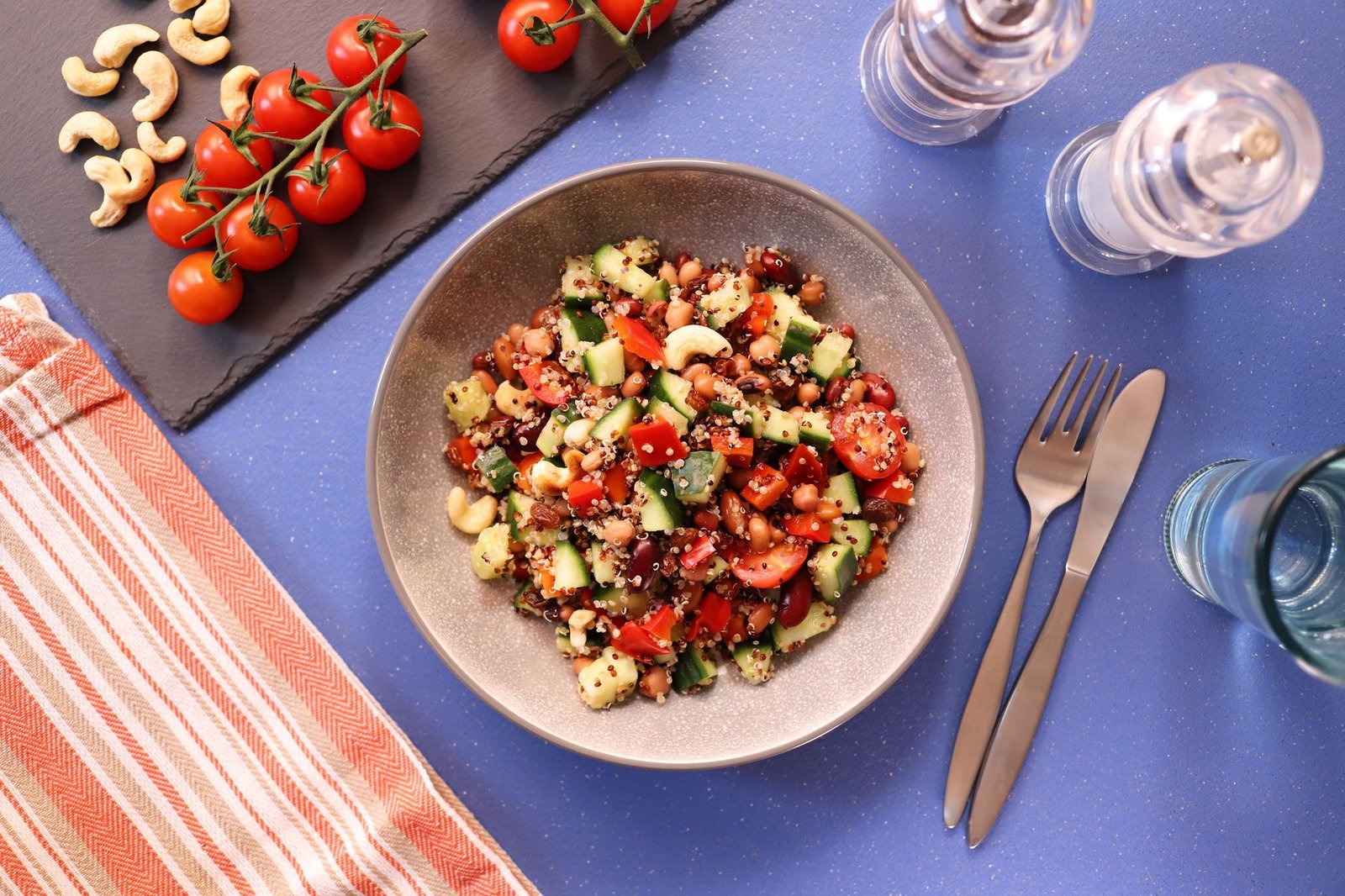
The nutritional composition of quinoa is one of the key factors contributing to the numerous quinoa salad health benefits. Quinoa is often regarded as a superfood due to its impressive nutritional profile, which includes being a complete protein. This means it contains all nine essential amino acids that the body cannot produce on its own, making it an excellent option for vegetarians and vegans. Additionally, quinoa is rich in fiber, which can help lower cholesterol levels, promote digestive health, and support healthy blood sugar levels.
Quinoa is also a good source of various minerals. Some of the key minerals found in quinoa include:
- Manganese: Plays a crucial role in the body’s antioxidant defenses and is involved in the processing of cholesterol and carbohydrates.
- Copper: Essential for the production of red blood cells and helps in maintaining healthy bones, blood vessels, nerves, and immune function.
- Iron: Vital for the formation of hemoglobin, which carries oxygen in the blood to cells throughout the body.
- Phosphorus: Important for the formation and maintenance of bones and teeth, and plays a critical role in how the body uses carbohydrates and fats.
- Magnesium: Helps in muscle and nerve function, blood glucose control, and blood pressure regulation.
To further understand the nutritional makeup of quinoa and how it contributes to quinoa salad health benefits, the following table provides a breakdown of quinoa’s nutritional content per serving.
| Nutrient | Amount per Serving |
|---|---|
| Calories | 150 |
| Protein | 4g |
| Fiber | 2g |
| Fat | 2g |
| Carbohydrates | 30g |
Health Benefits of Quinoa Salad
The quinoa salad health benefits are numerous and well-documented, making it an excellent addition to a healthy diet. One of the key advantages of consuming quinoa salad is that it supports heart health by providing a rich source of dietary fiber, which helps lower cholesterol levels and reduce the risk of cardiovascular disease. Additionally, the fiber content in quinoa salad aids in weight management by promoting feelings of fullness and reducing the likelihood of overeating.
Quinoa salad may also help regulate blood sugar levels due to its low glycemic index, which means it digests slowly and does not cause a rapid spike in blood sugar. This makes it an excellent option for individuals with diabetes or those who are trying to manage their blood sugar levels. Some of the key nutrients and benefits of quinoa salad include:
- High protein content to support muscle growth and repair
- Rich in iron, which is essential for healthy red blood cells
- Good source of magnesium, a mineral that plays a crucial role in energy production
- Contains all nine essential amino acids, making it a complete protein
- Rich in antioxidants, which help protect against cell damage and reduce inflammation
According to nutrition experts, incorporating quinoa salad into your diet can have a significant impact on overall health. As one expert notes,
quinoa salad health benefits can be maximized by customizing the ingredients to suit your individual needs and preferences, ensuring that you get the most nutritional value out of each serving.
By making quinoa salad a regular part of your meal routine, you can reap the rewards of improved heart health, weight management, and regulated blood sugar levels, among other benefits.
Preparing a Balanced Quinoa Salad
To maximize quinoa salad health benefits, it is crucial to prepare a balanced and nutritious quinoa salad. This starts with choosing fresh ingredients, which not only elevates the flavor but also ensures that the salad is packed with vitamins and minerals. Incorporating a variety of vegetables into your quinoa salad is also essential, as it provides a broad spectrum of nutrients and textures, making each bite engaging and satisfying.
In addition to fresh vegetables, using herbs and spices for flavor is a simple yet effective way to enhance the taste of your quinoa salad without adding excessive salt or sugar. This approach allows you to reap the quinoa salad health benefits while enjoying a delicious and aromatic meal. Some vegetables and herbs you might consider adding to your quinoa salad include:
- Leafy greens like kale or spinach for a nutrient boost
- Crunchy vegetables such as bell peppers or carrots for texture
- Herbs like parsley or cilantro for fresh flavor
- Nutritious grains like quinoa to serve as the base
- Protein sources such as grilled chicken or tofu for added depth
By carefully selecting and combining these ingredients, you can create a quinoa salad that is not only tasty but also highly beneficial for your overall health and wellbeing. Remember, the key to a great quinoa salad is balance and variety, so do not be afraid to experiment with different ingredients and flavors until you find the perfect combination that works for you.
Incorporating Quinoa Salad into Your Diet
Incorporating quinoa salad into your diet can be a great way to experience the numerous quinoa salad health benefits. Quinoa salad is a versatile dish that can be served in various ways, making it easy to fit into your daily meals. As a main course, quinoa salad can be a satisfying and filling option, especially when paired with lean proteins like grilled chicken or salmon. It can also be served as a side dish, accompanying dishes like roasted vegetables, stews, or soups, adding fiber, protein, and a boost of nutrients to your meal.
Another way to enjoy quinoa salad is by incorporating it into salads and bowls. This can be done by mixing quinoa with a variety of vegetables, nuts, and seeds, and topping it with your favorite dressing. Some examples of quinoa salad incorporation include:
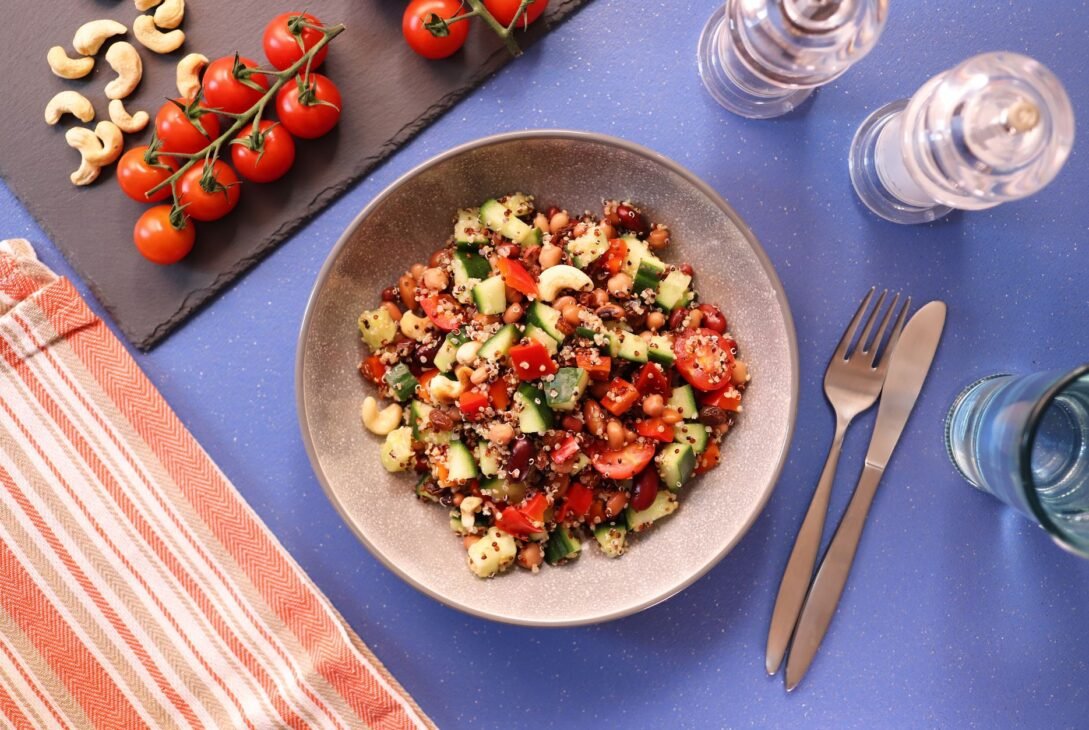
- Adding quinoa to a bed of mixed greens, along with cherry tomatoes, cucumber, and a citrus vinaigrette for a refreshing summer salad
- Mixing cooked quinoa with roasted vegetables like sweet potatoes, Brussels sprouts, and avocado, and topping it with a fried egg for a nutritious breakfast bowl
- Combining quinoa with black beans, diced tomatoes, and chopped cilantro, and serving it with a side of whole grain tortilla chips for a healthy snack
- Incorporating quinoa into a grain bowl filled with grilled chicken, roasted broccoli, and a drizzle of tahini sauce for a flavorful and nutritious meal
- Using quinoa as a base for a vegan bowl, topped with a variety of vegetables like grilled portobello mushrooms, roasted red peppers, and a side of steamed kale
By incorporating quinoa salad into your diet, you can experience the quinoa salad health benefits, including improved heart health, weight management, and a reduced risk of chronic diseases. With its versatility and nutritional value, quinoa salad is a great addition to any meal, making it an excellent choice for those looking to eat a balanced and healthy diet.
Quinoa Salad for Specific Dietary Needs
Quinoa salad is a versatile dish that can cater to various dietary requirements, making it an excellent choice for individuals with specific needs. For those following vegan and vegetarian diets, quinoa salad can be an excellent source of protein and fiber. By incorporating plant-based ingredients such as tofu, tempeh, and seitan, individuals can reap the quinoa salad health benefits while adhering to their dietary preferences.
Additionally, quinoa salad is naturally gluten-free, making it an ideal option for those with gluten intolerance or sensitivity. To further enhance the nutritional value, consider adding gluten-free grains like brown rice or amaranth to the salad.
For individuals seeking low-carb alternatives, quinoa salad can be modified to reduce the carbohydrate content. Some options include:
- Using cauliflower or broccoli as a low-carb substitute for traditional grains
- Incorporating high-fiber, low-carb vegetables like avocado and bell peppers
- Adding nuts and seeds, such as almonds and chia seeds, for a crunchy texture and a boost of healthy fats
- Utilizing herbs and spices to add flavor without adding carbohydrates
- Opting for a quinoa salad with a higher protein content to help reduce carbohydrate cravings
To illustrate the nutritional benefits of quinoa salad, consider the following table:
| Nutrient | Quinoa Salad (1 cup) |
|---|---|
| Calories | 350-400 |
| Protein | 15-20g |
| Fiber | 5-7g |
| Carbohydrates | 30-40g |
| Healthy Fats | 10-15g |
By understanding the quinoa salad health benefits and making informed ingredient choices, individuals can create a delicious and nutritious meal that meets their unique dietary needs.
Creative Quinoa Salad Recipes
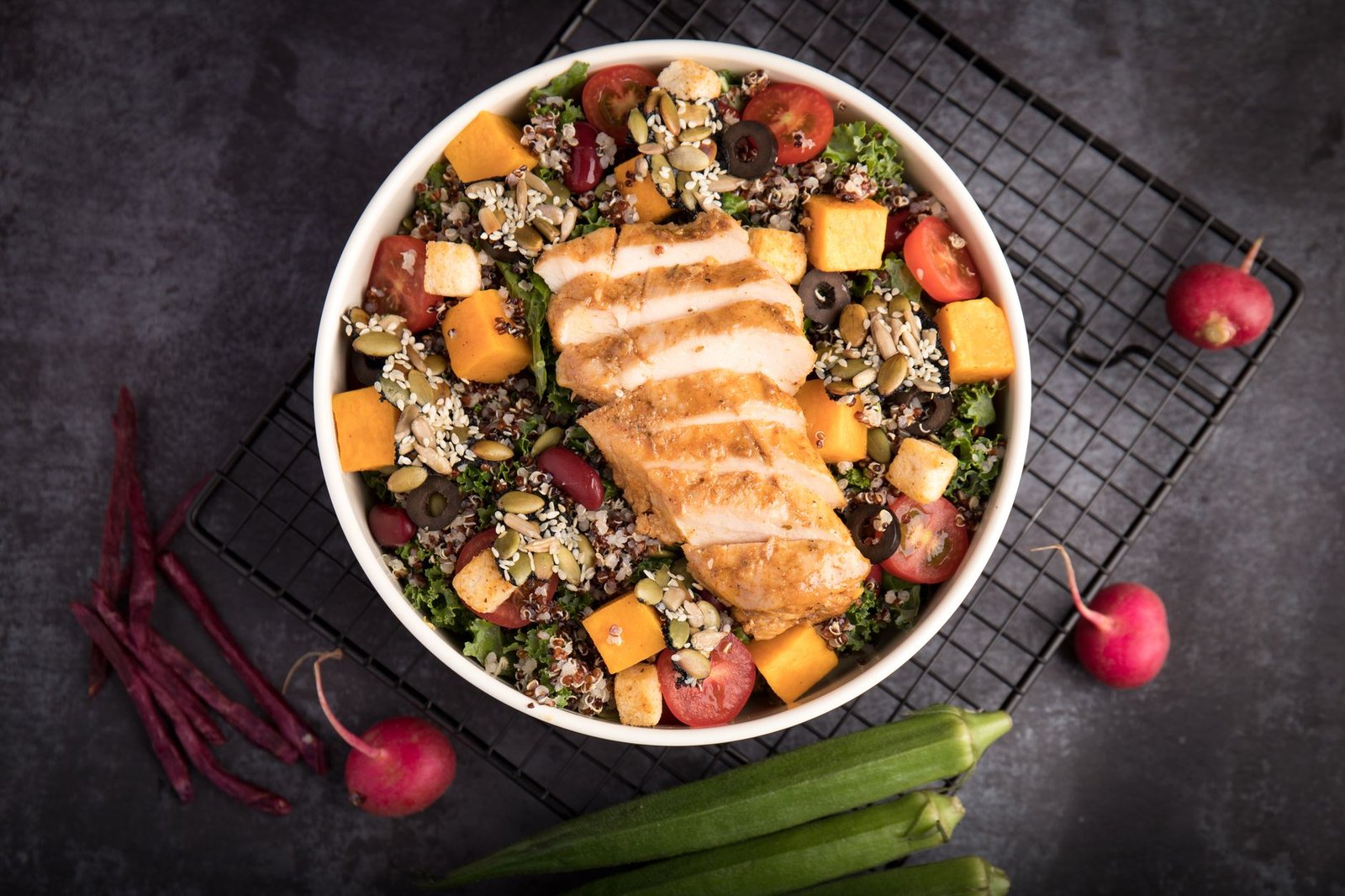
Exploring various quinoa salad recipes can significantly enhance your culinary experience and maximize quinoa salad health benefits. One of the most popular and nutritious options is the Mediterranean quinoa salad, which typically includes ingredients like olives, feta cheese, and sun-dried tomatoes. This salad is not only delicious but also packed with fiber, protein, and healthy fats. Another intriguing recipe is the roasted vegetable quinoa salad, where a medley of roasted vegetables such as Brussels sprouts, sweet potatoes, and red onions are mixed with cooked quinoa and a zesty dressing.
For those seeking to incorporate more protein into their meals, the quinoa salad with grilled chicken is an excellent choice. This recipe combines the nutty flavor of quinoa with the smoky taste of grilled chicken, making it a satisfying and filling option. When preparing these salads, consider the following key ingredients to elevate their nutritional value and flavor:
- Leafy greens like kale or spinach for an extra boost of vitamins and antioxidants
- Nuts or seeds such as almonds or pumpkin seeds for added crunch and healthy fats
- Dried fruits like cranberries or apricots to introduce natural sweetness
- Herbs and spices such as parsley, basil, or cinnamon to enhance flavor without adding salt or sugar
- A variety of colorful vegetables to ensure a broad spectrum of vitamins and minerals
By experimenting with different ingredients and recipes, you can unlock the full potential of quinoa salad health benefits and enjoy a diverse range of flavors and textures. Whether you prefer the simplicity of a Mediterranean quinoa salad or the heartiness of a quinoa salad with grilled chicken, there’s a quinoa salad recipe out there to suit every palate and dietary need.
Tips for Making the Perfect Quinoa Salad
To maximize quinoa salad health benefits, it’s essential to prepare the dish thoughtfully. First and foremost, cook quinoa correctly to bring out its natural nutty flavor and fluffy texture. This involves rinsing the quinoa to remove its saponin coating, which can give it a bitter taste, then boiling it in water or broth with a 2:1 liquid-to-quinoa ratio. Allow it to simmer for about 15-20 minutes or until the water is absorbed and the quinoa is tender.
For an engaging quinoa salad, incorporate a variety of textures to keep each bite interesting. This can be achieved by combining crunchy, soft, and chewy elements. Consider the following ingredients to add depth to your salad:
- Crunchy vegetables like bell peppers, carrots, and cucumbers
- Soft herbs such as parsley, basil, or mint
- Chewy components like dried fruits or toasted nuts
- Crispy elements from fried onions or capers
<li Fresh greens for a light, refreshing base
To tie all these components together and enhance the quinoa salad health benefits, add a tangy dressing. A simple vinaigrette made from olive oil, apple cider vinegar, and a squeeze of lemon juice can do wonders. This not only adds flavor but also helps in digestion and absorption of nutrients, further accentuating the quinoa salad health benefits. With these tips, you can create a balanced, delicious, and nutritious quinoa salad that’s perfect for any meal or occasion.
Storing and Serving Quinoa Salad
To fully enjoy the quinoa salad health benefits, it’s crucial to store and serve it properly. After preparation, refrigerate the quinoa salad promptly to prevent bacterial growth and maintain its freshness. It is recommended to consume the quinoa salad within a day or two of preparation to ensure the optimal nutrient intake and flavor. When serving, consider garnishing with fresh herbs to not only enhance the visual appeal but also to add extra layers of flavor and nutrition.
Here are some tips for storing and serving quinoa salad effectively:
- Keep the quinoa salad in an airtight container to maintain its freshness and prevent contamination.
- Label the container with the date of preparation to ensure you consume the oldest items first.
- Store the quinoa salad in the refrigerator at a temperature of 40°F (4°C) or below to slow down bacterial growth.
- Before serving, give the quinoa salad a good stir to redistribute the ingredients and dressings evenly.
- Consider portioning out individual servings of the quinoa salad in separate containers for easy grab-and-go meals.
By following these simple storage and serving guidelines, you can maximize the quinoa salad health benefits and enjoy a delicious, nutritious meal that supports your overall well-being. Whether you’re preparing quinoa salad for a family gathering, a workplace lunch, or a personal meal, proper storage and serving techniques will make all the difference in preserving its quality and nutritional value.
Conclusion on Quinoa Salad Nutrition
Incorporating quinoa salad into your meal plan can have a profoundly positive impact on your overall health, largely due to the quinoa salad health benefits that include high protein content, fiber, and various essential minerals. One of the most significant advantages of quinoa salad is its versatility and adaptability to suit various diets, whether you are a vegetarian, vegan, gluten-free, or simply looking to add more plant-based meals to your diet. This adaptability means that virtually anyone can enjoy the nutritional benefits of quinoa, making it an excellent addition to a wide range of meal plans.
Quinoa salad offers numerous health benefits, from supporting heart health due to its high levels of magnesium and potassium, to aiding in weight management through its protein and fiber content.
As noted by nutrition experts, "Adding nuts and seeds to your quinoa salad can enhance its nutritional profile by providing a boost of healthy fats and antioxidants, further contributing to the quinoa salad health benefits."
This tip highlights the ease with which quinoa salad can be customized to not only taste delicious but also to provide a concentrated dose of nutrition.
By making quinoa salad a regular part of your diet, you can experience these benefits firsthand. For example, the high iron content in quinoa can help prevent anemia, while its magnesium can assist in maintaining healthy blood pressure levels. Moreover, the antioxidants present in the vegetables and fruits added to the salad can protect against oxidative stress and inflammation, contributing to overall well-being. In conclusion, embracing quinoa salad as a staple in your meal plan is a simple yet effective way to leverage the quinoa salad health benefits, promoting a healthier, more balanced lifestyle.
Frequently Asked Questions
What are the key health benefits of quinoa salad?
The key health benefits of quinoa salad include supporting heart health, aiding in weight management, and potentially helping to regulate blood sugar levels.
Can quinoa salad be part of a gluten-free diet?
Yes, quinoa salad can be a great option for those following a gluten-free diet, as quinoa is naturally gluten-free.
Final Thoughts
In conclusion, quinoa salad is a nutritious and adaptable dish that can be tailored to suit a range of dietary needs and preferences. By understanding the nutritional composition and health benefits of quinoa salad, individuals can make informed decisions about incorporating it into their meal plan, potentially leading to improved overall health and wellbeing.
{“@context”:”https://schema.org”,”@type”:”FAQPage”,”mainEntity”:[{“@type”:”Question”,”name”:”What are the key health benefits of quinoa salad?”,”acceptedAnswer”:{“@type”:”Answer”,”text”:”The key health benefits of quinoa salad include supporting heart health, aiding in weight management, and potentially helping to regulate blood sugar levels.”}},{“@type”:”Question”,”name”:”Can quinoa salad be part of a gluten-free diet?”,”acceptedAnswer”:{“@type”:”Answer”,”text”:”Yes, quinoa salad can be a great option for those following a gluten-free diet, as quinoa is naturally gluten-free.”}}]}
{“@context”:”https://schema.org”,”@type”:”Article”,”headline”:”Quinoa Salad Nutrition Facts”,”mainEntityOfPage”:”https://healthbye.com/quinoa-salad-nutrition-facts/”,”datePublished”:”2026-06-24T10:02:48+00:00″,”dateModified”:”2026-06-24T10:02:48+00:00″,”author”:{“@type”:”Person”,”name”:”healthbye”},”publisher”:{“@type”:”Organization”,”name”:”healthbye”},”image”:”https://healthbye.com/wp-content/uploads/2026/06/vidhaata-hBtu2VUa.jpg”}